

2 Easy Recipes for Homemade Sour Cream
Sour cream is one of my favorite condiments. Skip a trip to the store and learn how to make it yourself from scratch, using two different methods.
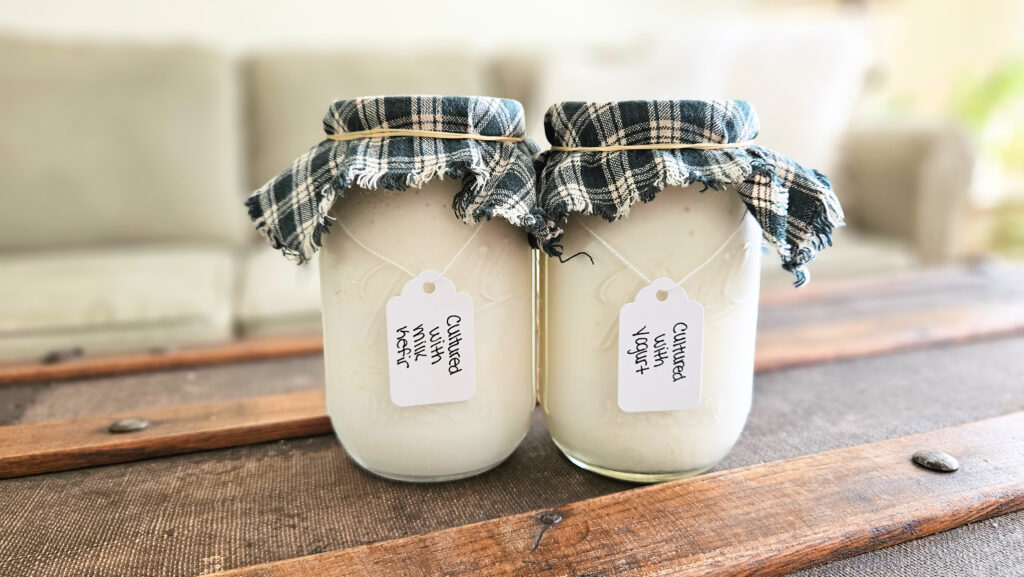
This post may contain affiliate links. Please see our site disclosure for more information.
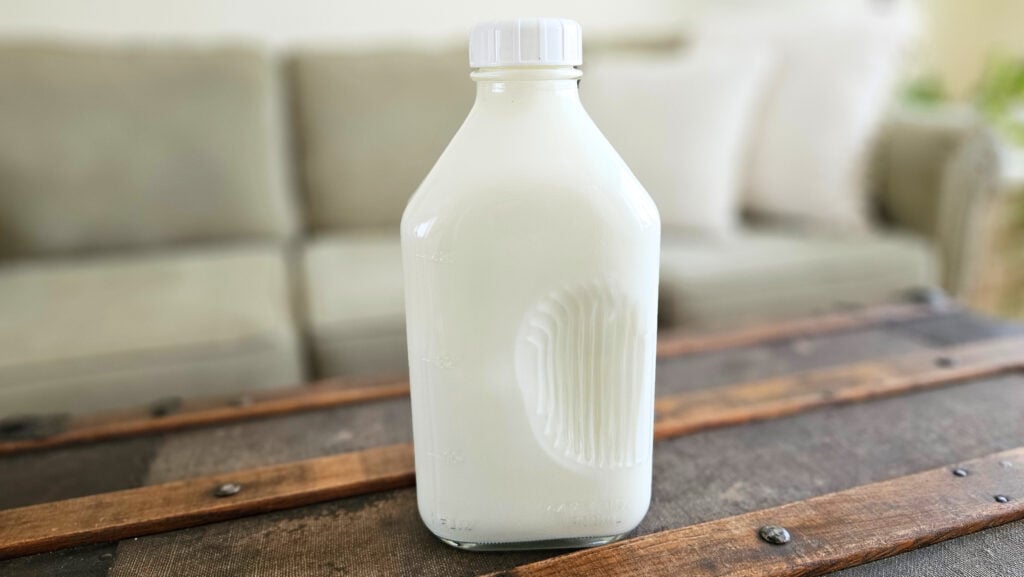
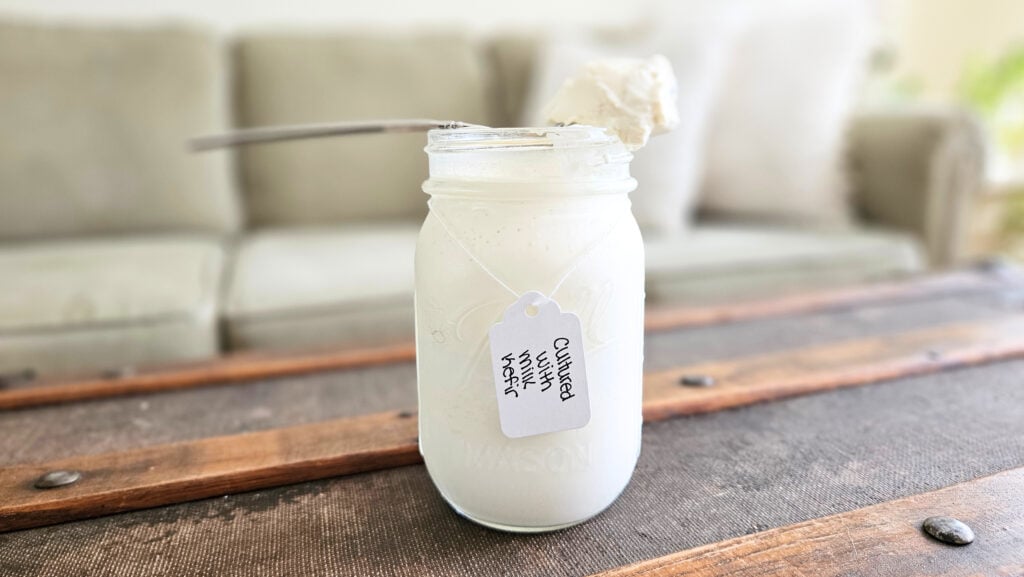

If you’ve ever purchased raw milk, you know the cream that rises to the top is the best part. Whether you drink it with the milk, turn it into butter, or make your own sour cream, it is undeniably delicious and versatile.
Follow along and I’ll show you two methods for making sour cream from scratch in your own kitchen. The first method utilizes raw milk kefir, and the second method utilizes homemade Greek yogurt. Each recipe results in a thick and creamy homemade sour cream.
I will also go over the detailed instructions, the benefits, and the cost-benefit analysis.
Why Make Homemade Sour Cream?
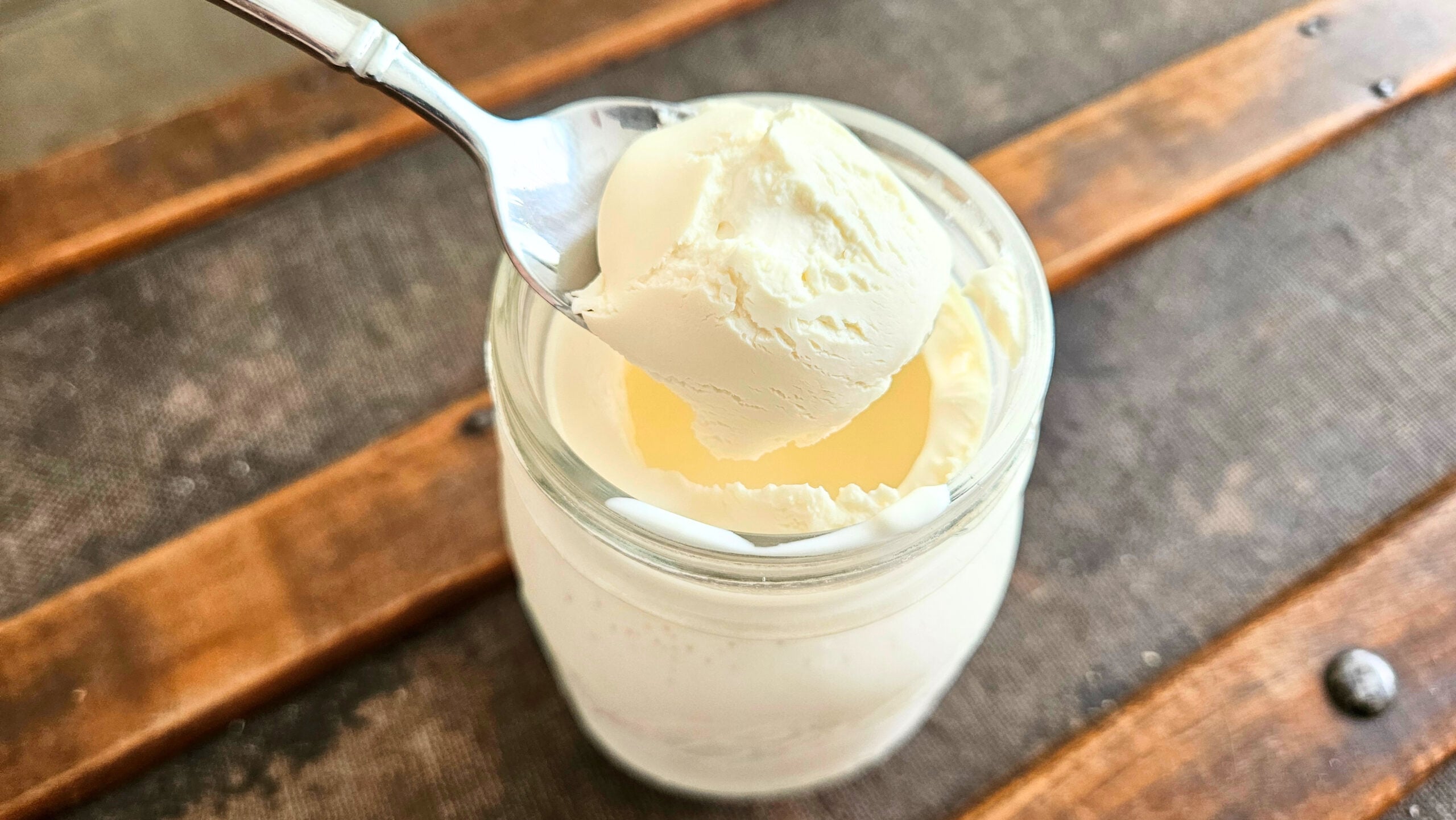
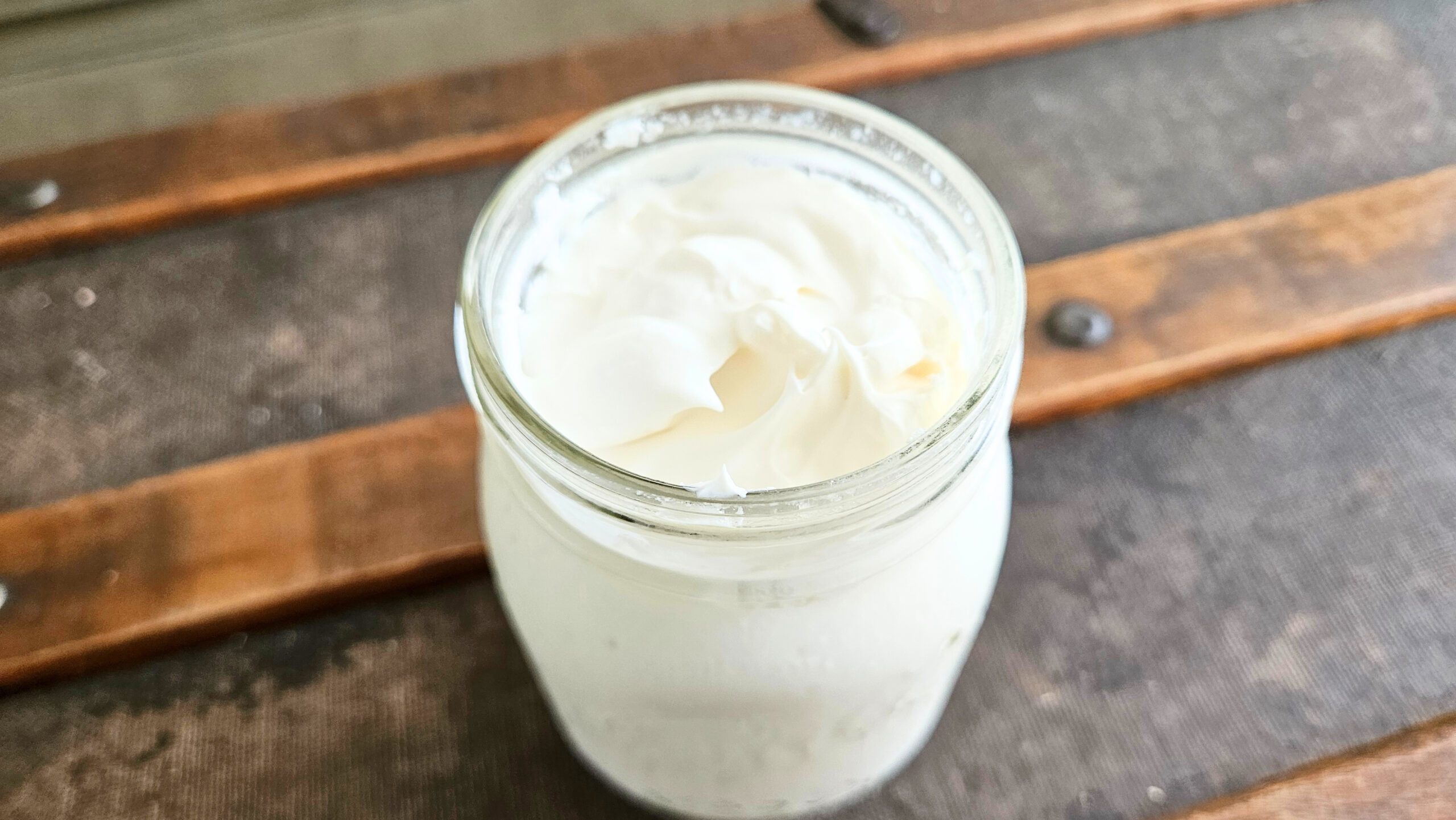
As always, I love learning how to make food from scratch in my own kitchen.
Ingredient Control
As someone who is very health-conscious, making sour cream from scratch ensures I avoid any unnecessary ingredients and chemicals. Some additives that are commonly found in store-bought sour cream include preservatives, thickeners, stabilizers, acidity regulators, and anti-caking agents.
While these additives make a finalized sour cream product that most people are used to, I’d much rather have a slightly less uniform food that I know is free from anything extra.
Additionally, I have a very hard time finding organic sour cream in my local stores, let alone raw sour cream. When I make it at home from scratch, I can use the exact quality of cream that I desire.
Practical Skills and Knowledge
Traditional cooking skills are very valuable and very underrated these days. It is so easy to buy everything from the store, not knowing how any of it is actually made, or at least *should* be made. I love the practical skills and knowledge that I gain when I make things like sour cream from scratch.
This sour cream recipe requires either raw milk kefir or raw milk Greek yogurt in order to culture the cream into sour cream. Since you first have to make the kefir or yogurt, one skill set basically builds upon the other.
To learn how to make milk kefir and Greek yogurt, please see these posts:
Saves Money
In addition to the benefits of ingredient control and acquiring traditional cooking skills, making my own homemade sour cream saves me money on groceries. My raw milk spending actually recently went down. Believe it or not my raw milk farmer DECREASED their prices. I was paying $10 per gallon of raw milk, now it is $8 per gallon. Talk about a win!
With every gallon I purchase, I can simply skim the cream from the top any time I want to make sour cream.
For a detailed explanation of the savings, please see the cost-benefit analysis.
Extra Healthy
Raw milk, and therefore raw cream, contains a wide variety of essential nutrients, fats, proteins, anti-inflammatory and digestive enzymes, bioavailable vitamins, and minerals. Additionally, there are diverse probiotics, lactase-producing bacteria, DHA, EPA, and IgA/IgG immunoglobulins. All of these nutrients and immune factors are either reduced, inhibited, destroyed, damaged, or totally inactive in pasteurized dairy.
So, starting with a healthy foundation of using raw cream is a great start. Incorporating either raw milk kefir or raw milk Greek yogurt, both which are abundant in probiotics, enhances the health benefits of the raw cream when it becomes raw sour cream.
For more information on raw milk, please see here:
Nourishing Traditions by Sally Fallon is also a very informative book on all things raw dairy and fermentation.
Nourishing Traditions by Sally Fallon
Nourishing Traditions by Sally Fallon is arguably one of the best places to start when venturing into changing your diet from modern and conventional to whole-food based and traditional. Between the nutritional information and the wide variety of recipes, you will be prepared to turn over a new leaf.
Reduced Plastic Waste
Lastly, one of the benefits of making homemade sour cream is reduced plastic waste. Instead of single use plastic tubs that get thrown away with every purchase, I use glass mason jars an indefinite number of times. I store my raw milk, my raw milk kefir, and my raw milk Greek yogurt all in glass, along with my homemade sour cream. The whole process from start to finish, including storage, takes place in a glass mason jar.
Reusable glass is a much better alternative to one-time use plastic. For the best glass milk jars, please see here:

2 Quart Glass Milk Bottles
Well you only really need glass milk bottles if you are purchasing raw milk… bring on the controversy!! Raw milk is one of my absolute favorite health foods. We have a local dairy farm near us, allowing us the opportunity to purchase good quality clean raw milk. They use gallon sized jars to bottle all of their milk, so when I bring it home I transfer the milk to these half gallon milk bottles. Glass is always a desirable…
Are There Other Ways to Make Sour Cream?
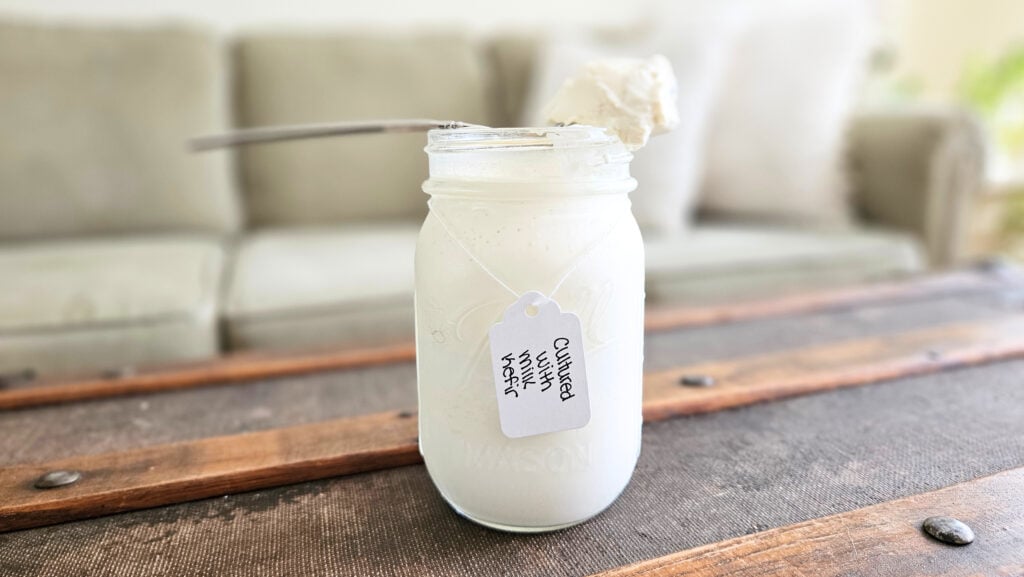
The two methods of culturing raw cream into sour cream that I will be demonstrating use raw milk kefir and raw milk Greek yogurt. In addition to these two methods, you can also use a packet of sour cream starter. I buy all of my starter cultures from Cultures for Health.
To purchase a sour cream starter, please see here: Sour Cream Starter Culture.
After you receive your starter, simply follow the instructions included. It is extremely simple!
Although using a sour cream starter is an easy way to make homemade sour cream, I like to use either kefir or yogurt because I always already have some in my refrigerator. Instead of buying something extra, I simply use what I have.
How to Make Homemade Sour Cream
Ingredients
Recipe #1
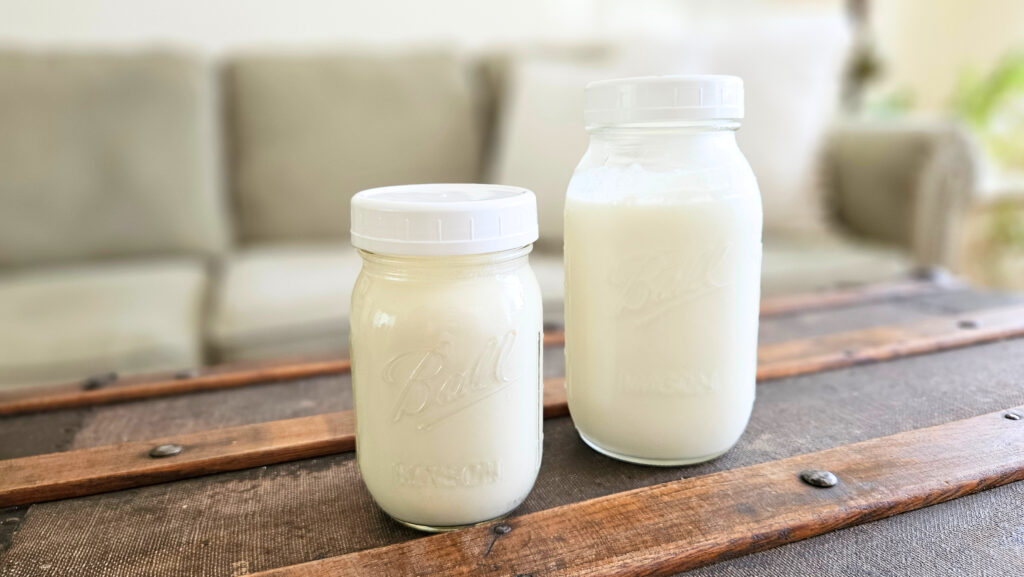
- 1 pint raw cream
- 3 tbsp raw milk kefir
Recipe #2
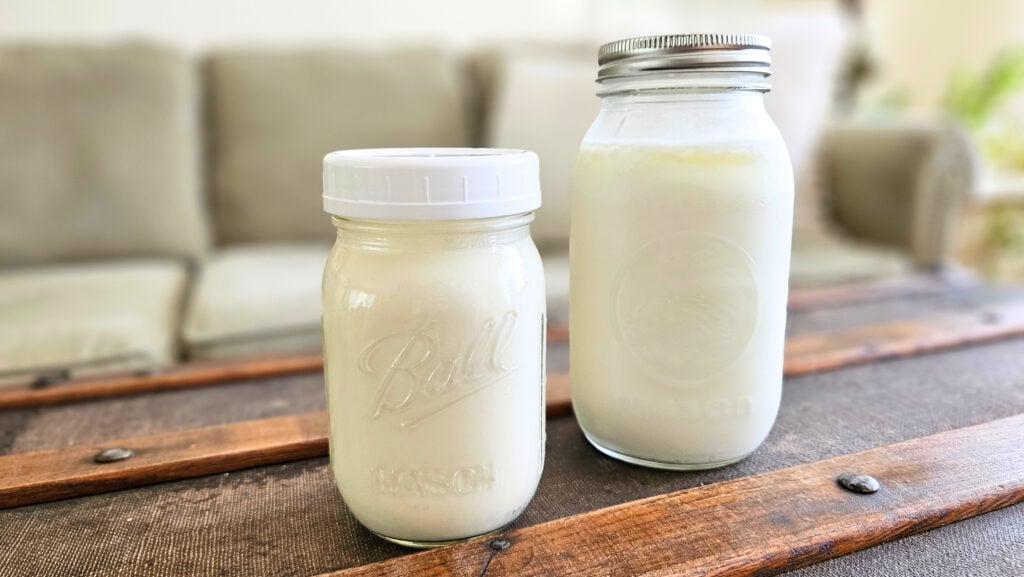
- 1 pint raw cream
- 3 tbsp raw milk Greek yogurt
Equipment
- 1 pint size mason jar
- 1 breathable cloth
- 1 rubber band
Instructions
Tap/click the images for a description of each step ⬇️
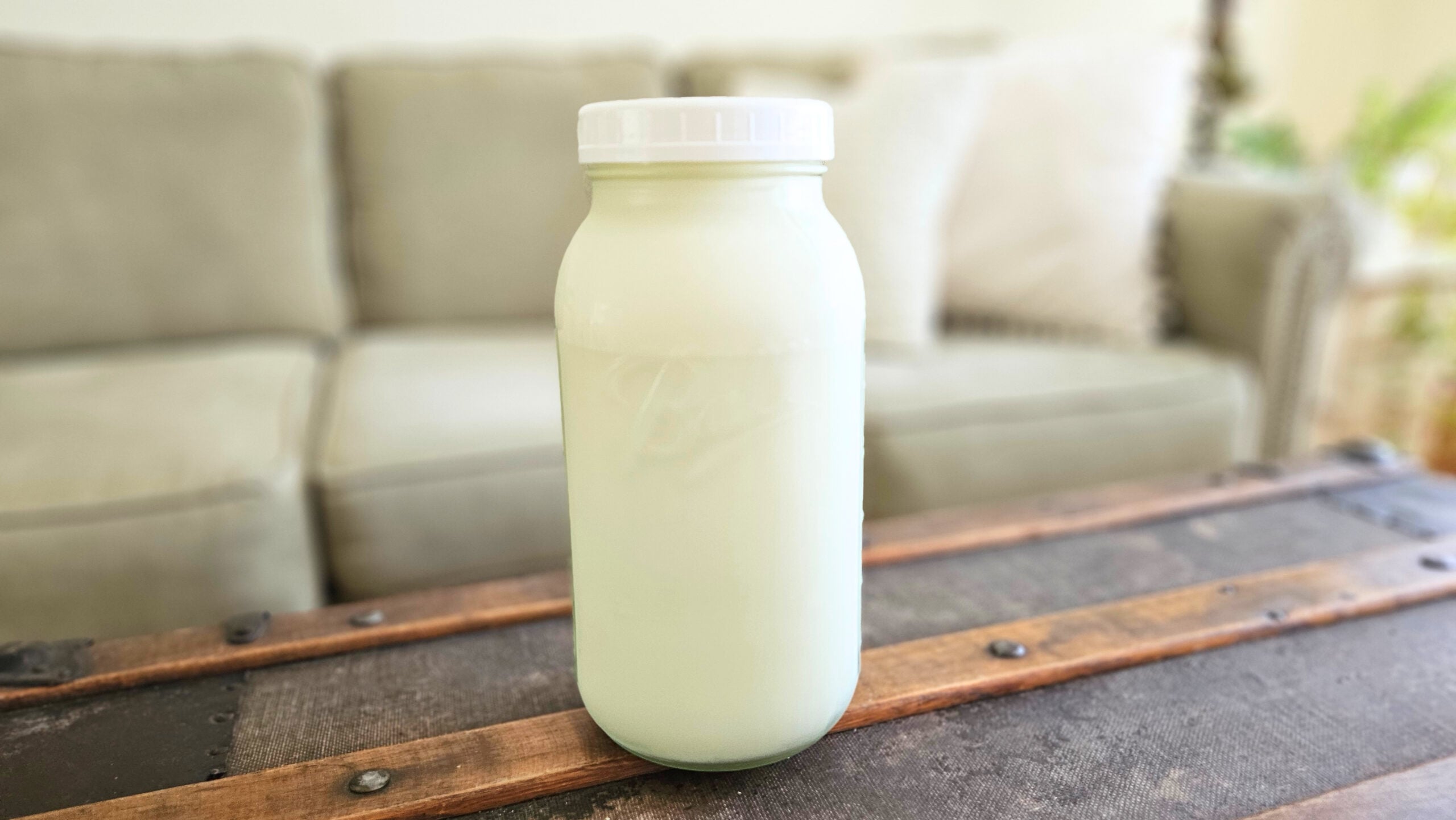
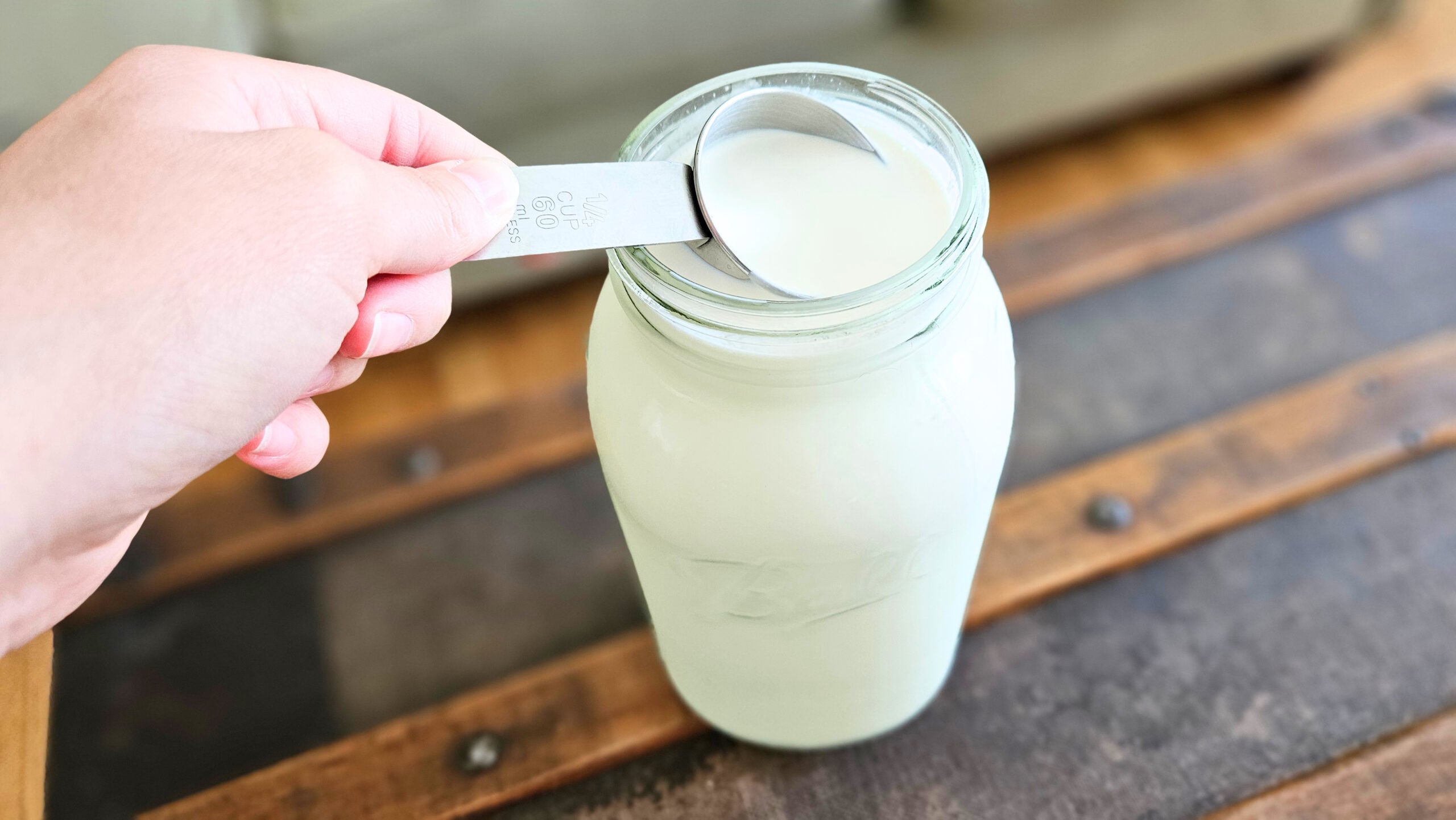
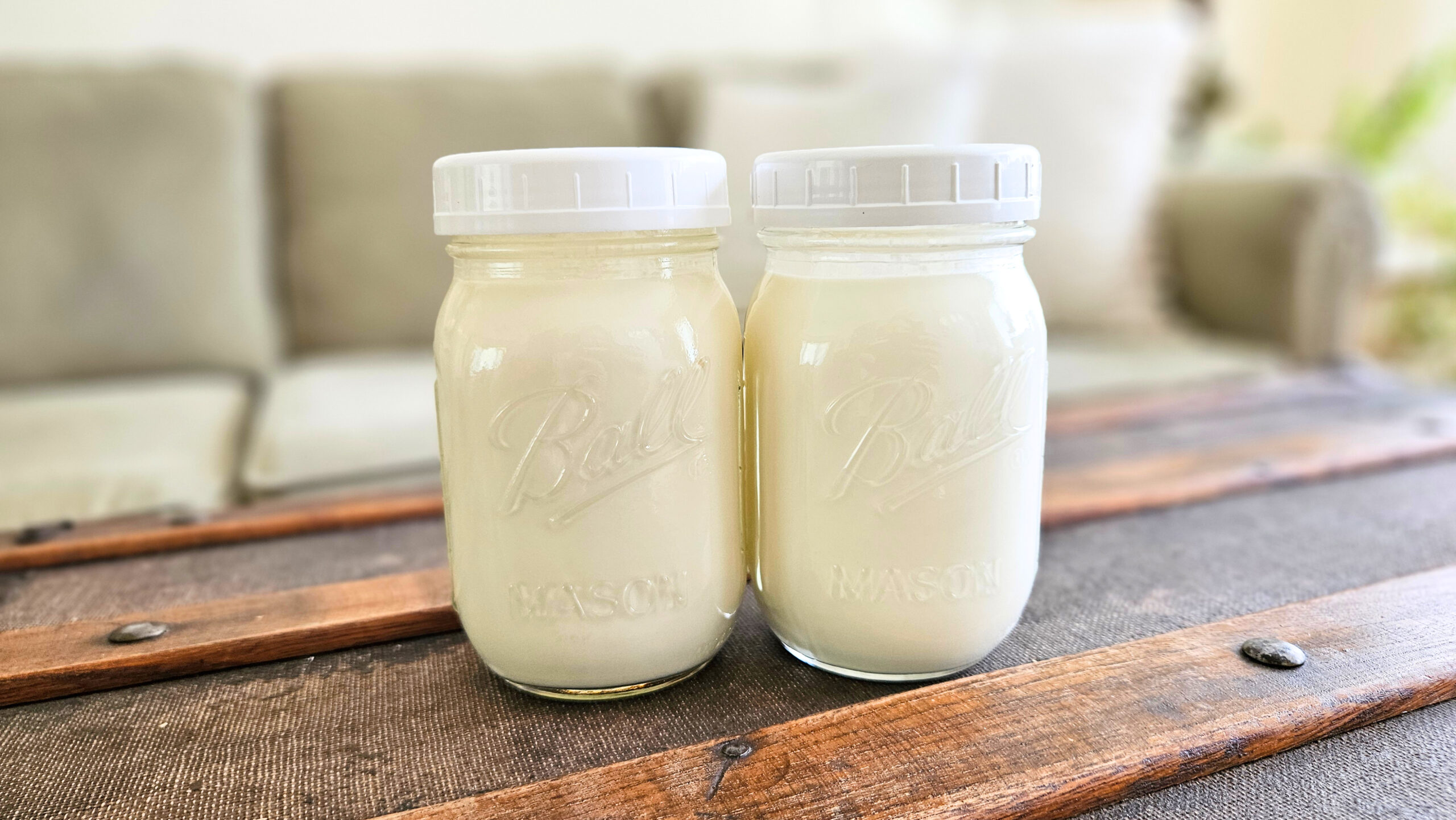
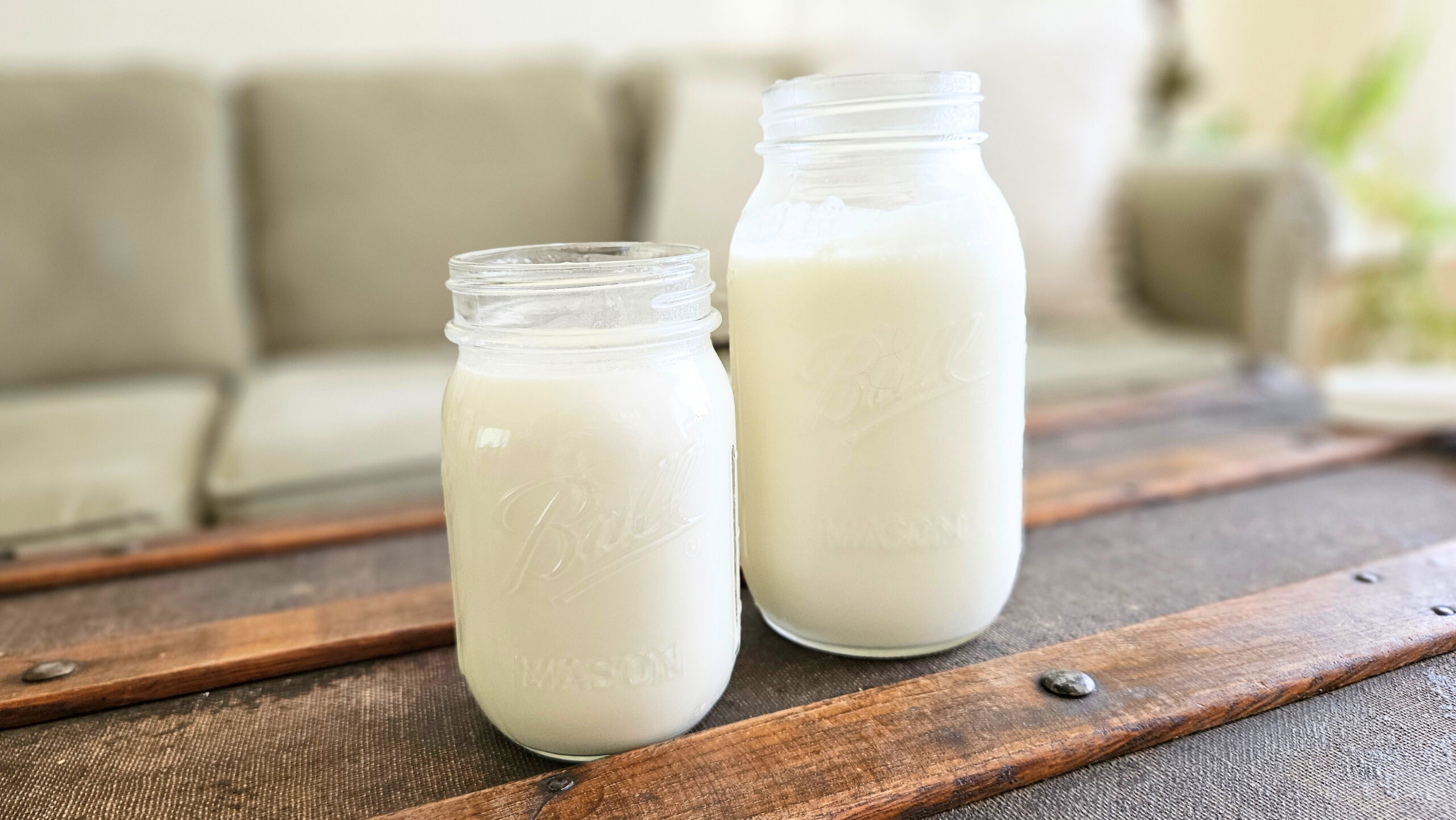
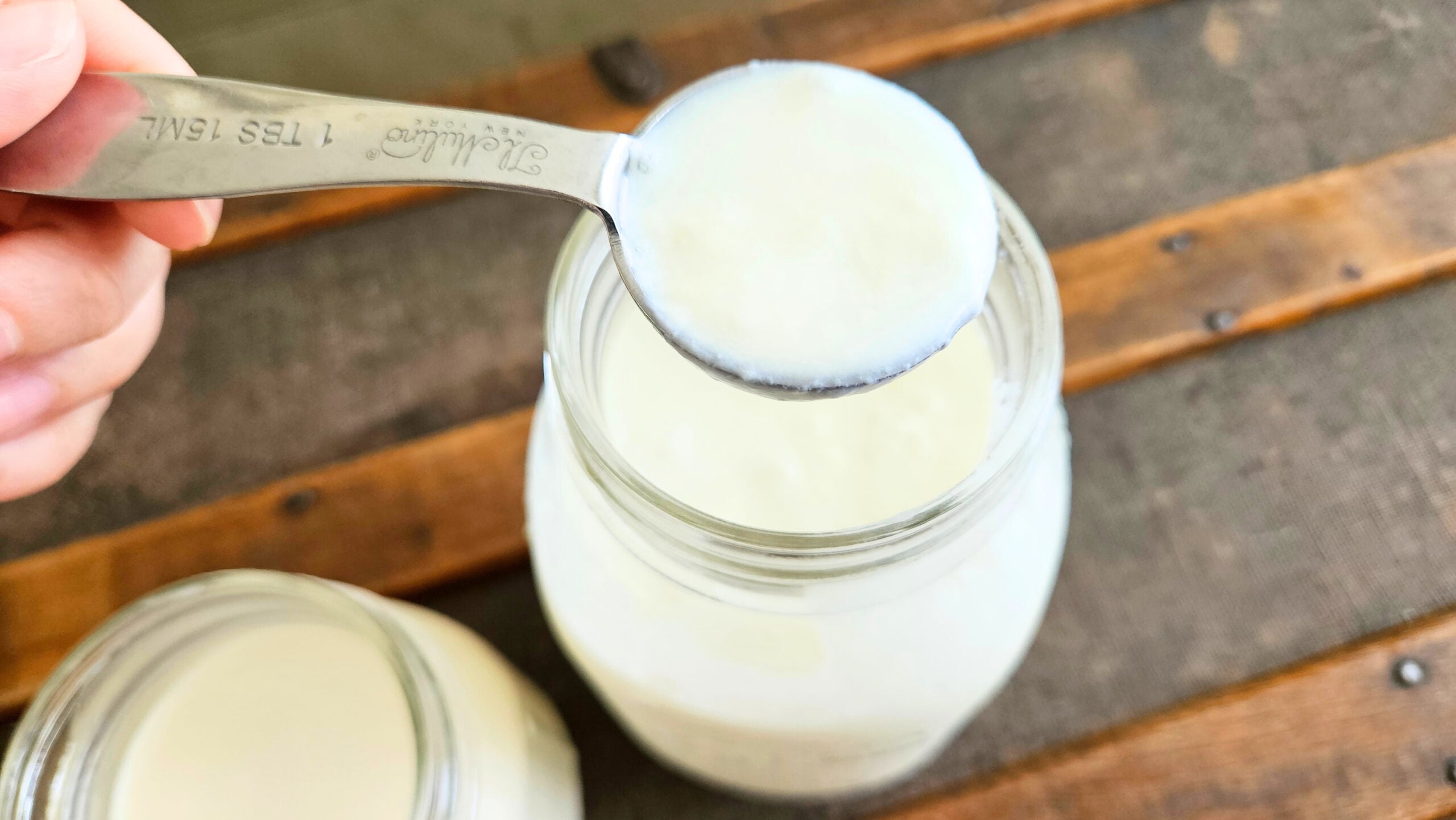
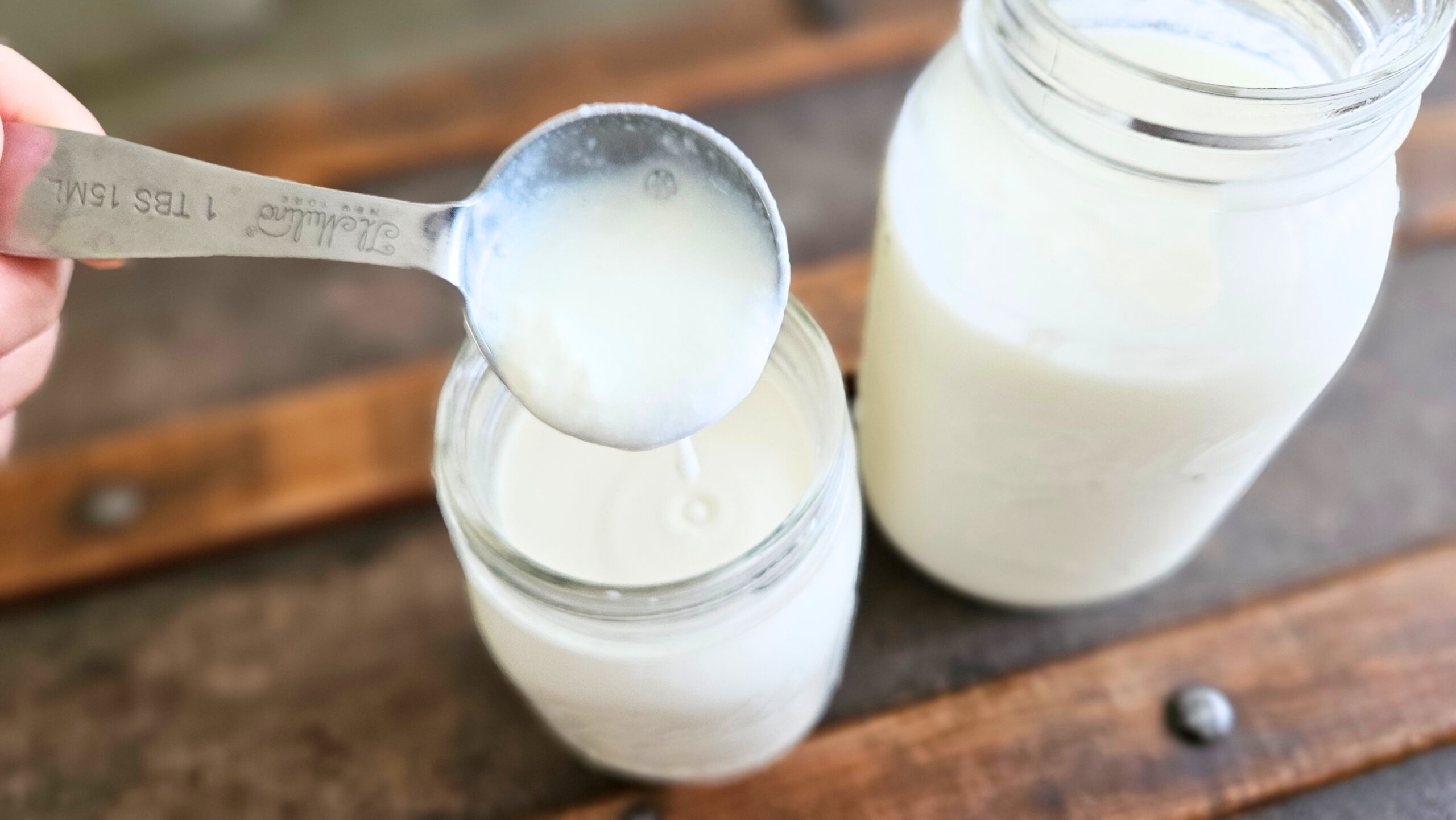
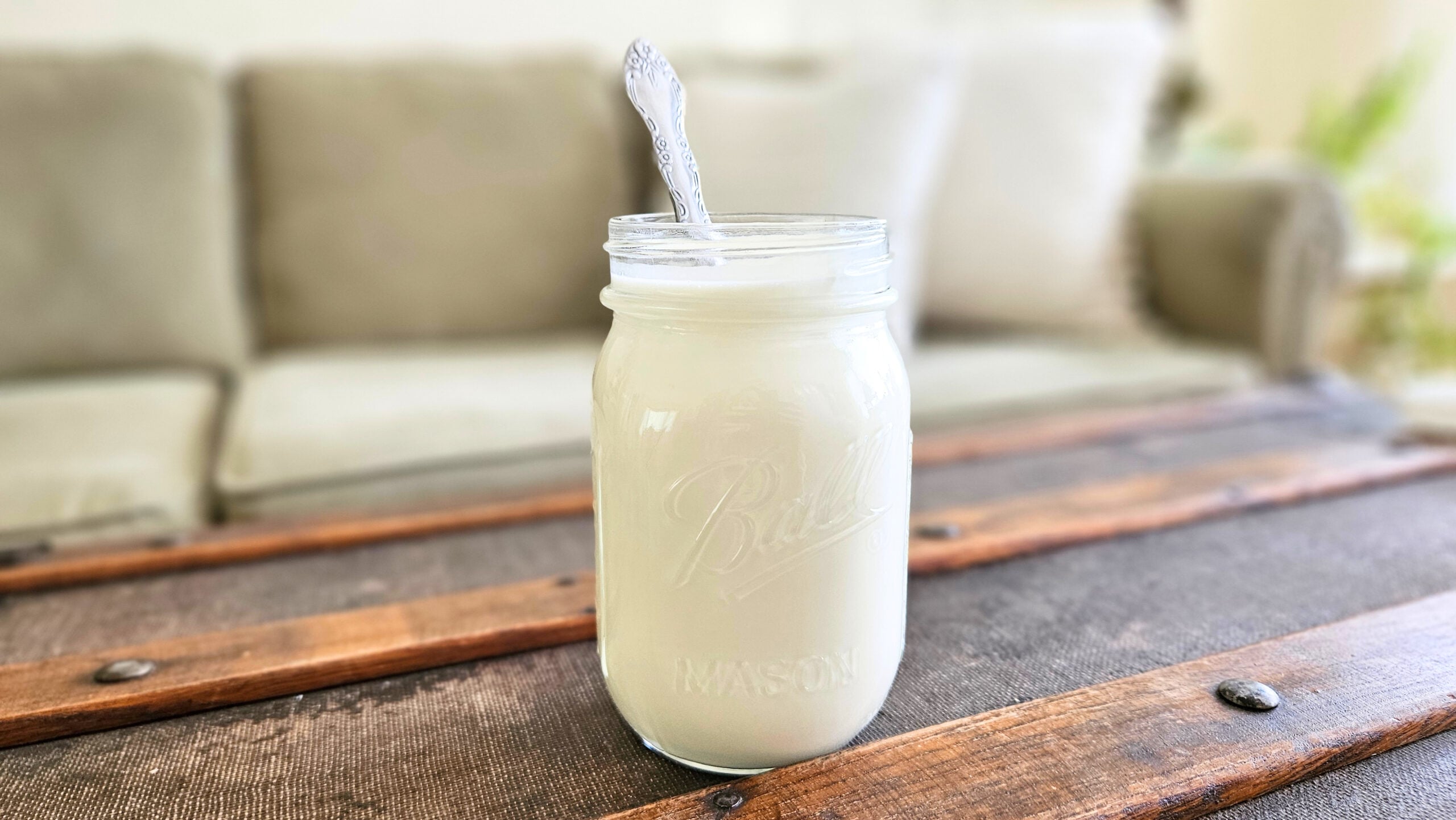
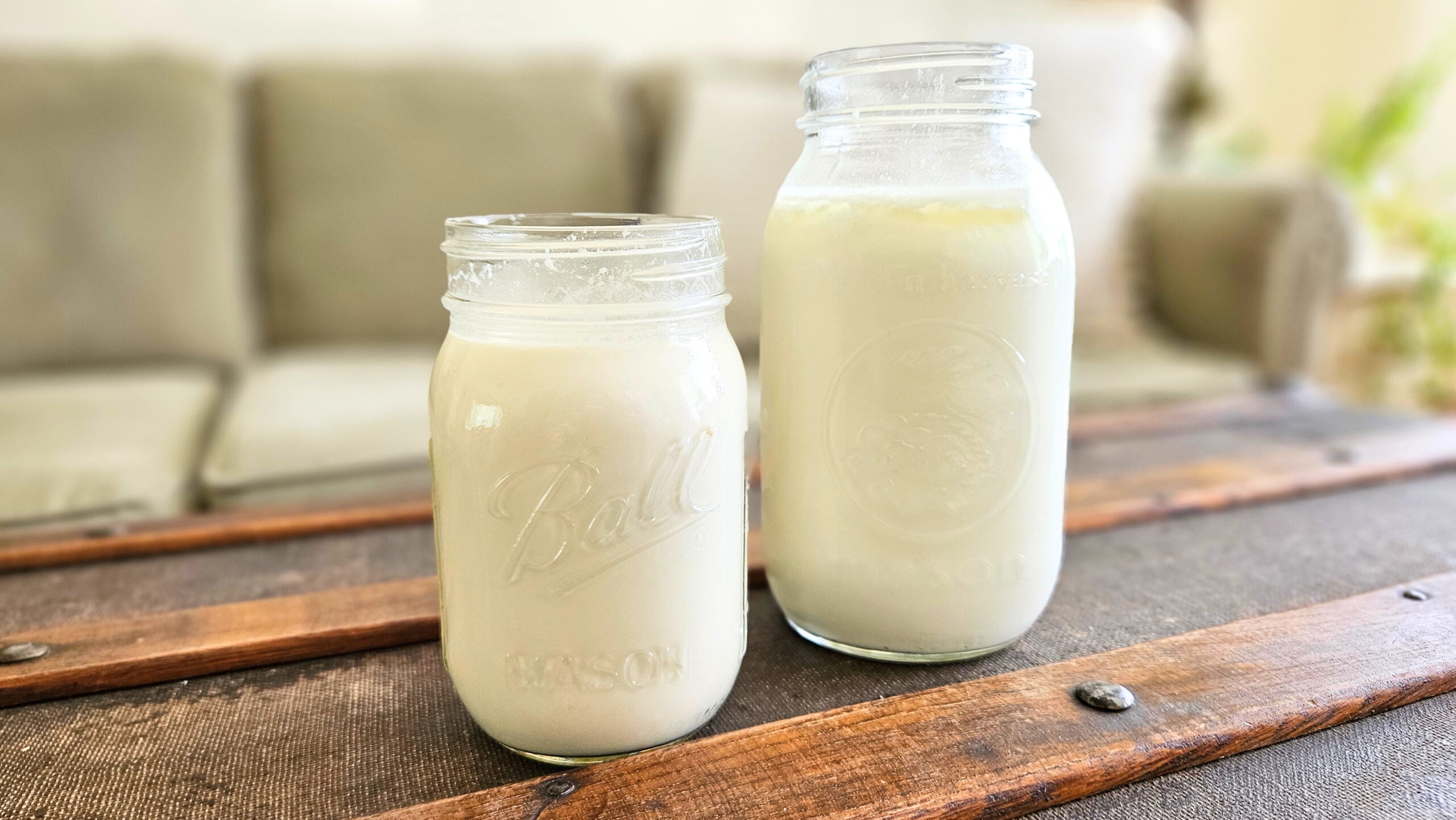
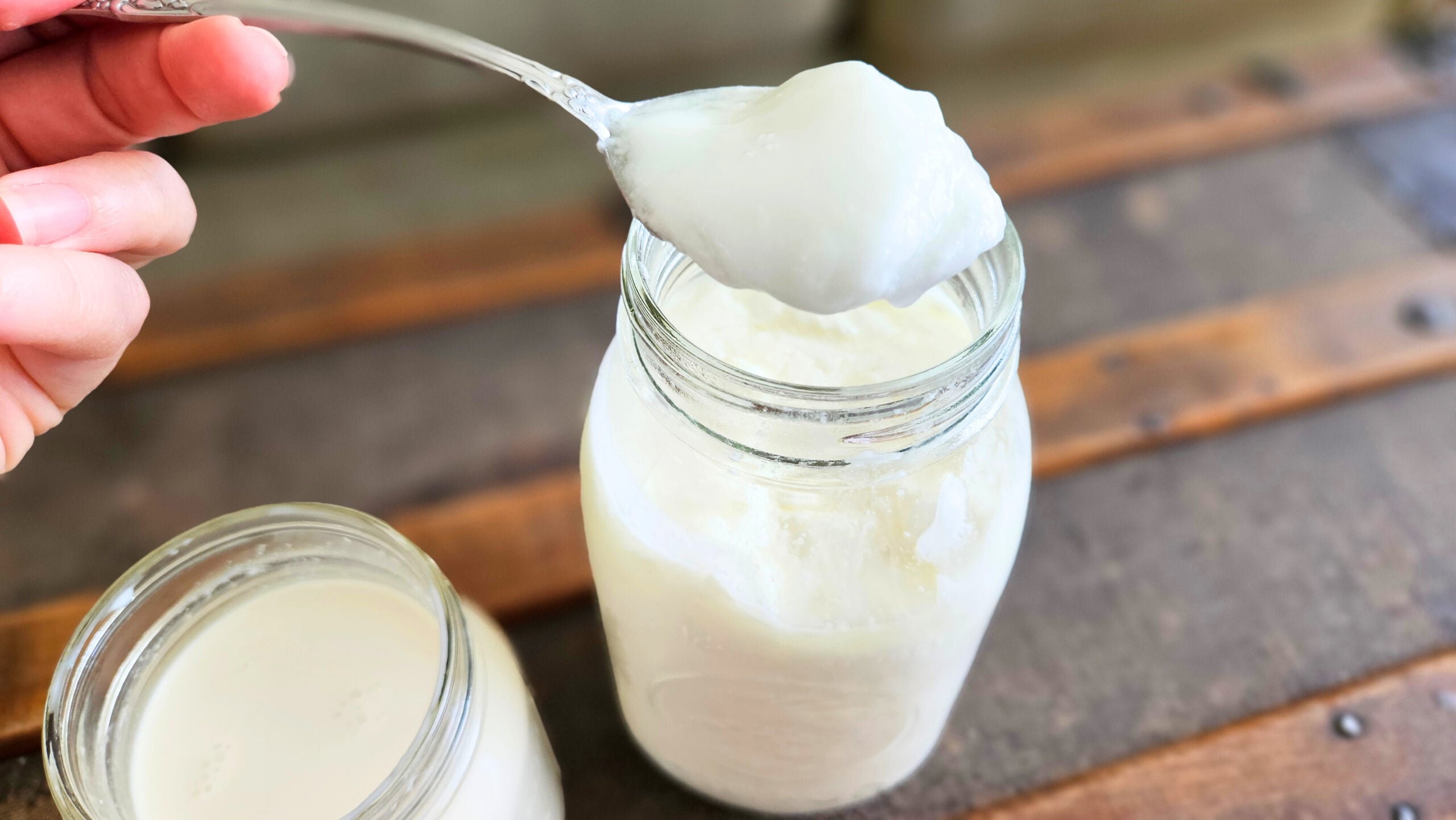
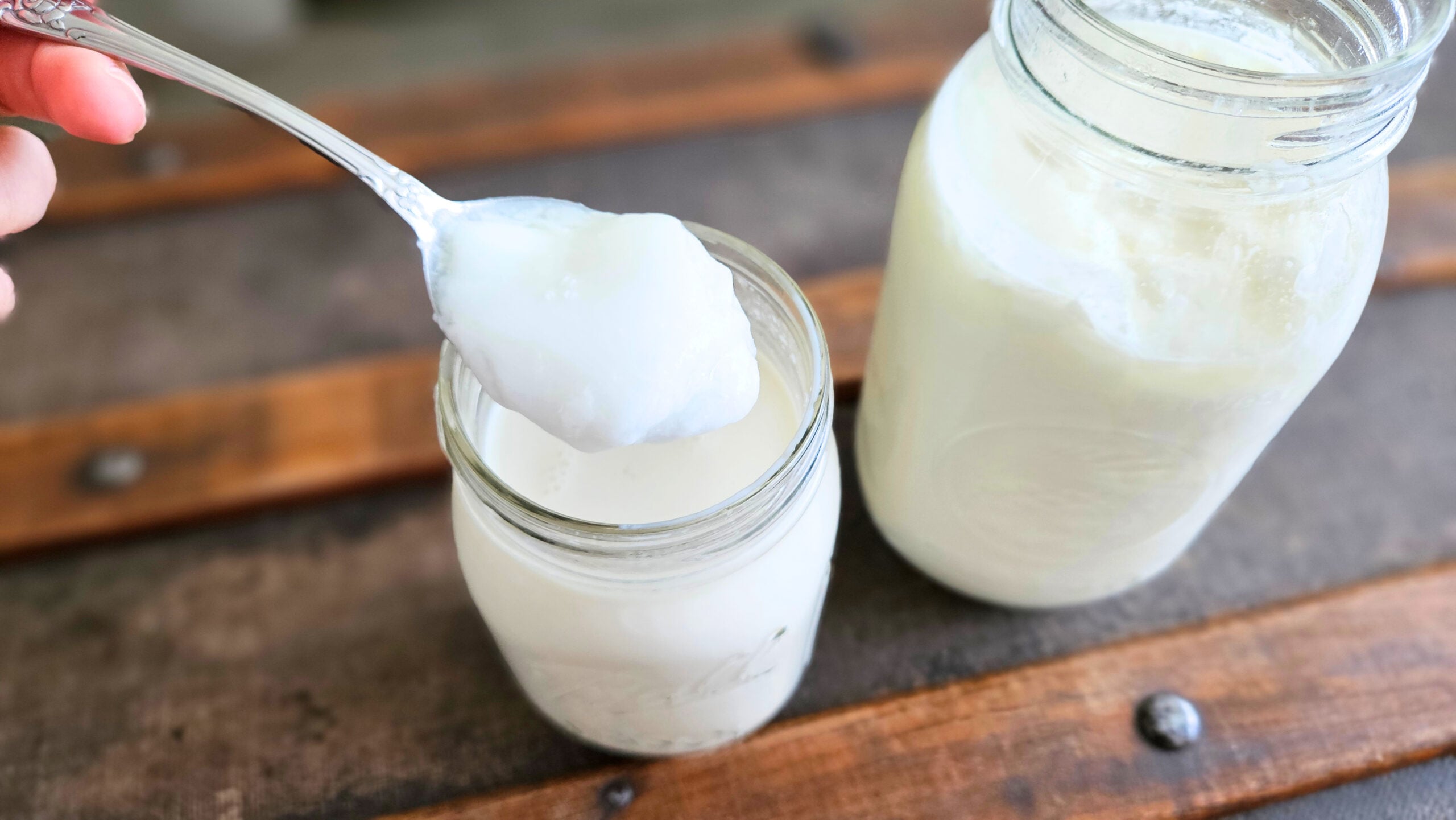
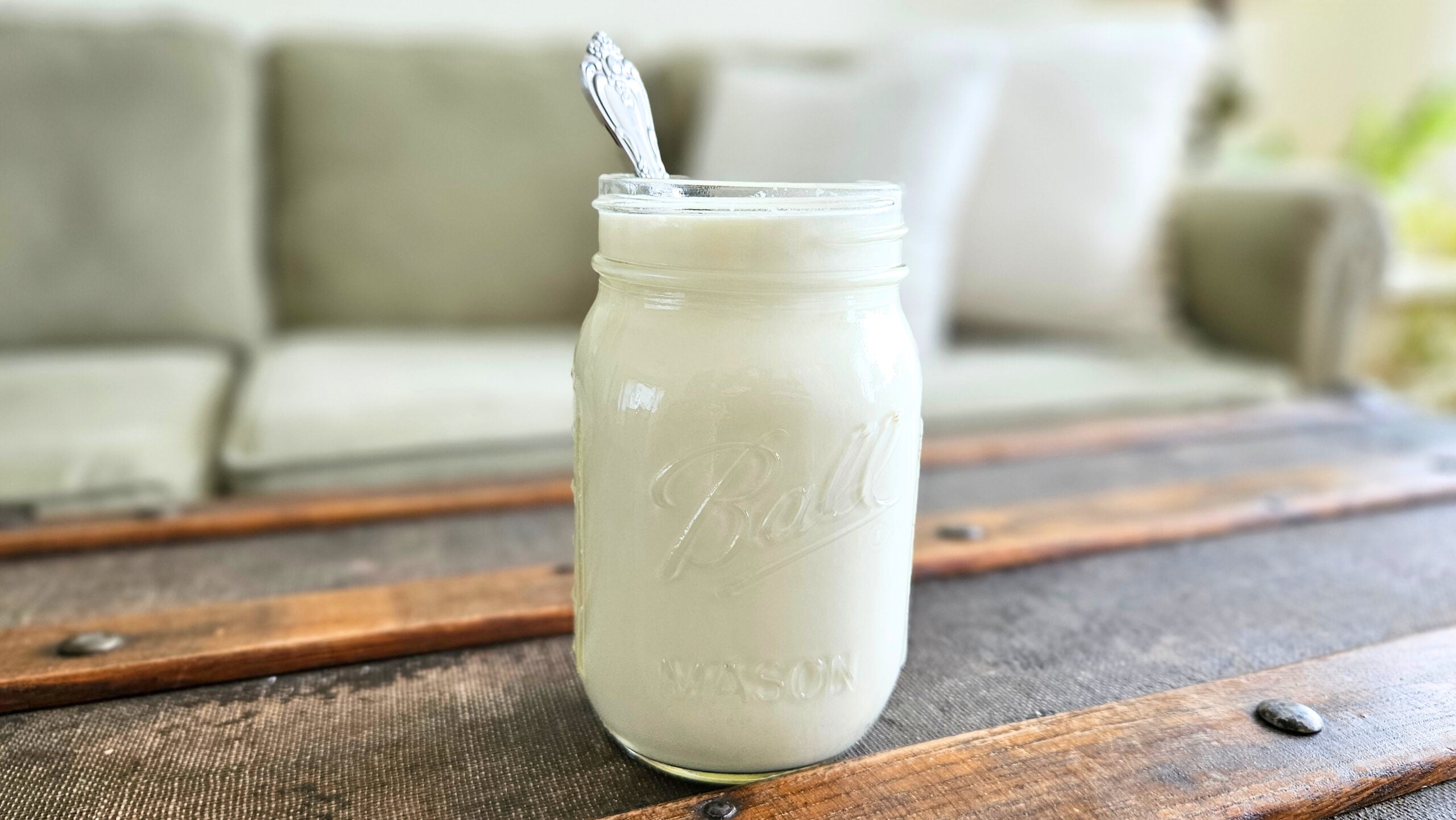
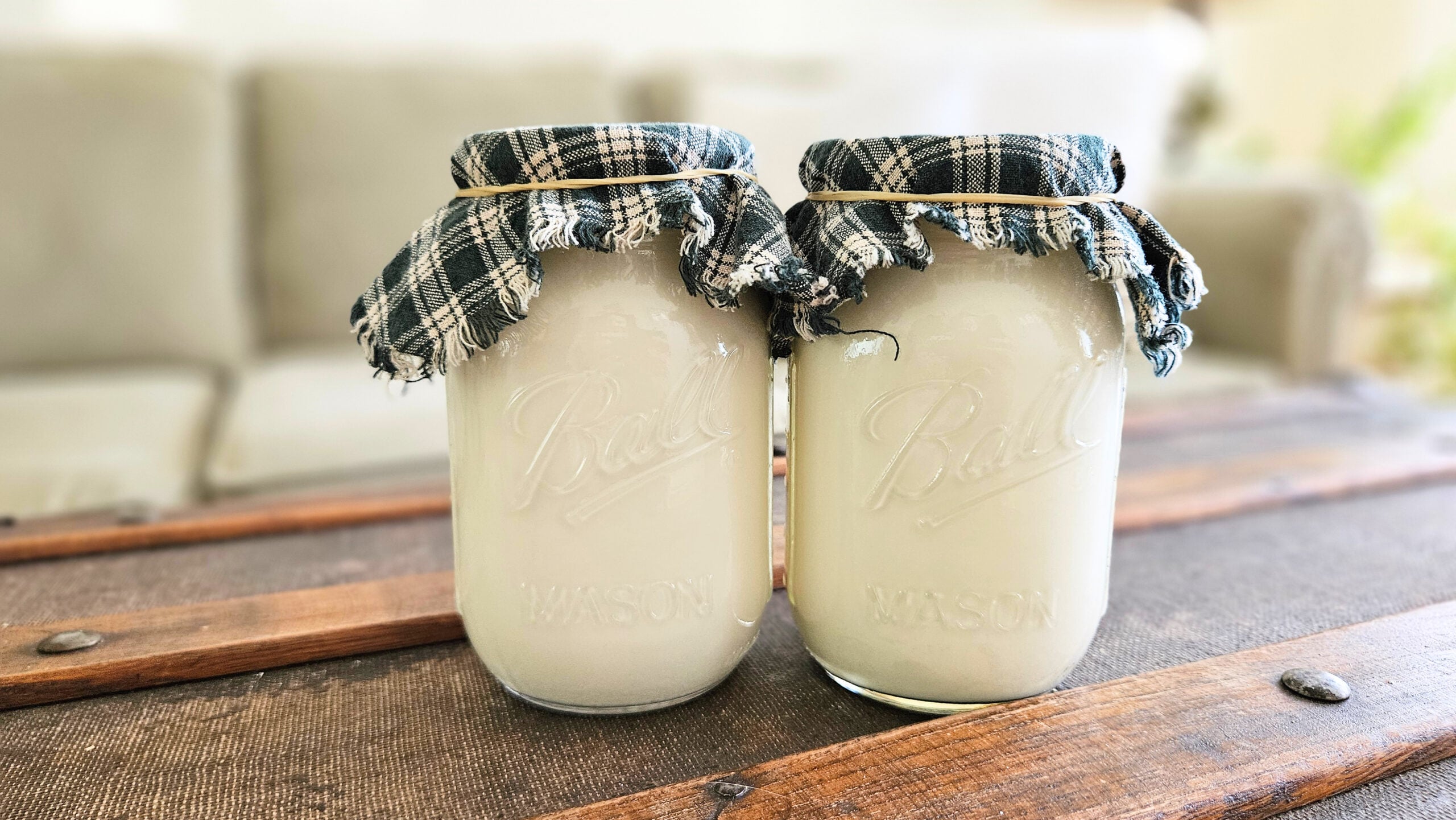
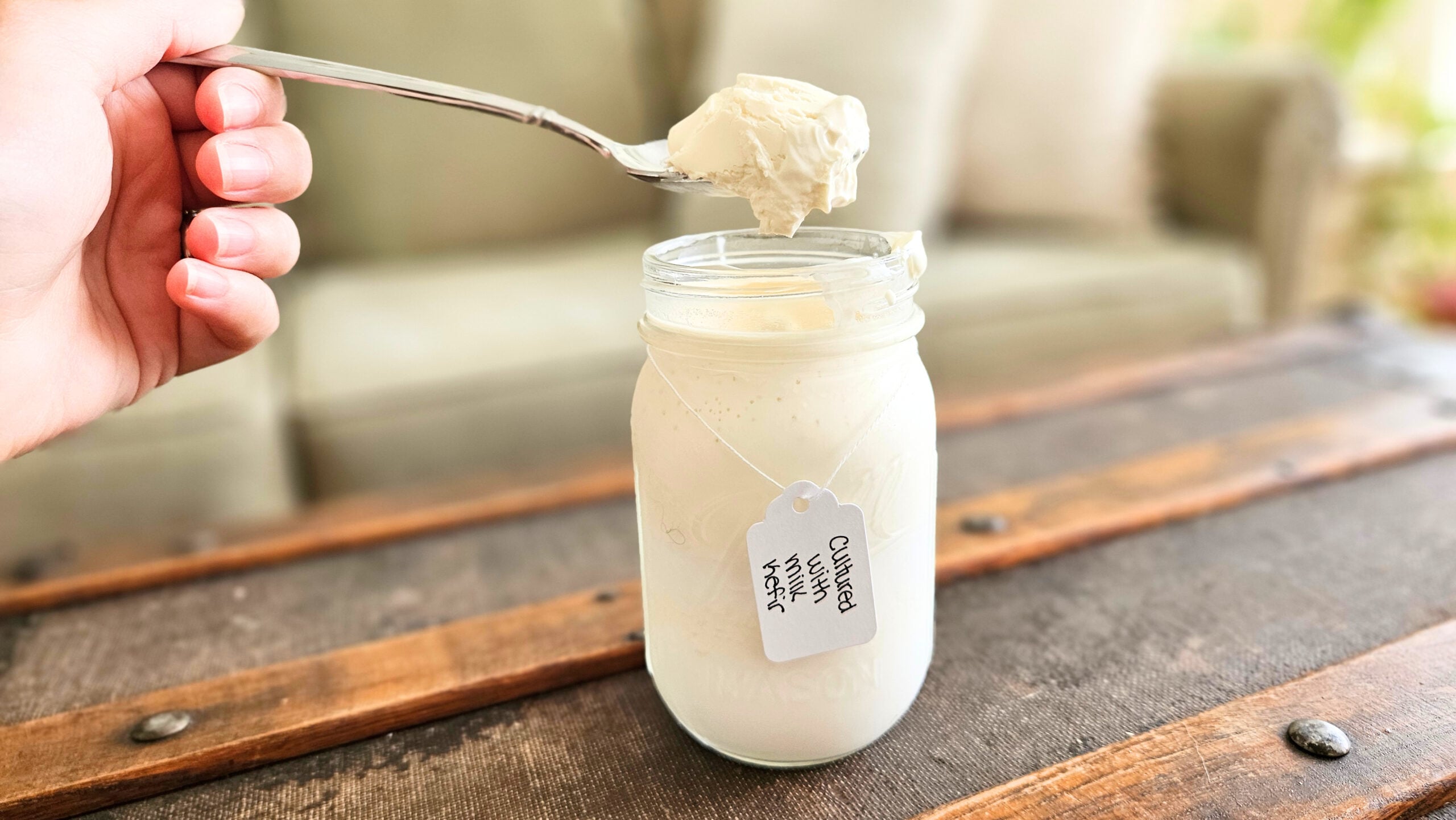
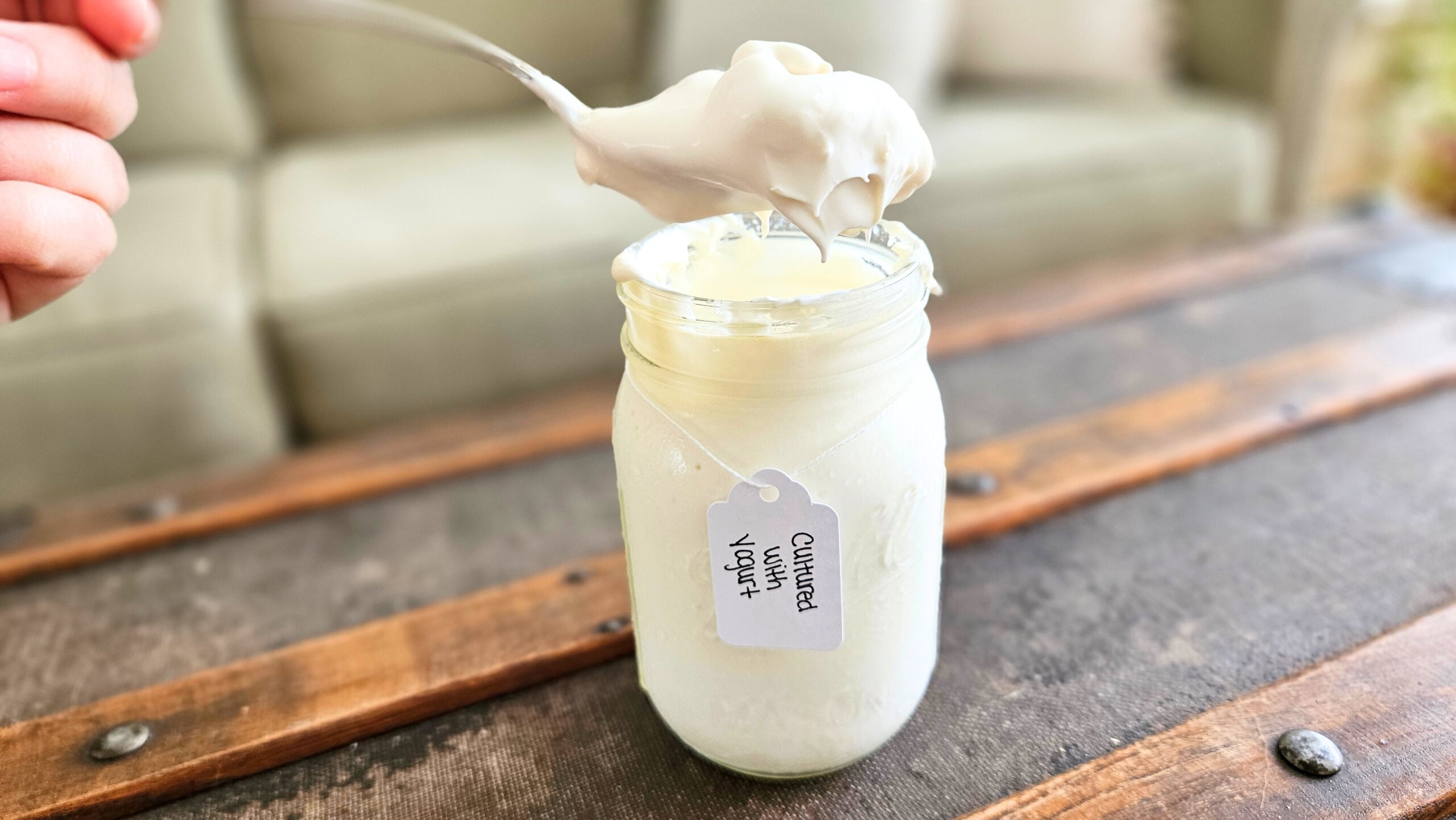
Step #1: Start by skimming the cream from the top of your raw milk and add it to a pint size mason jar. I usually use a small measuring cup. Cream that is thick will result in a thicker sour cream, so I usually let the cream stay in the refrigerator for at least a few days, and sometimes up to a week.
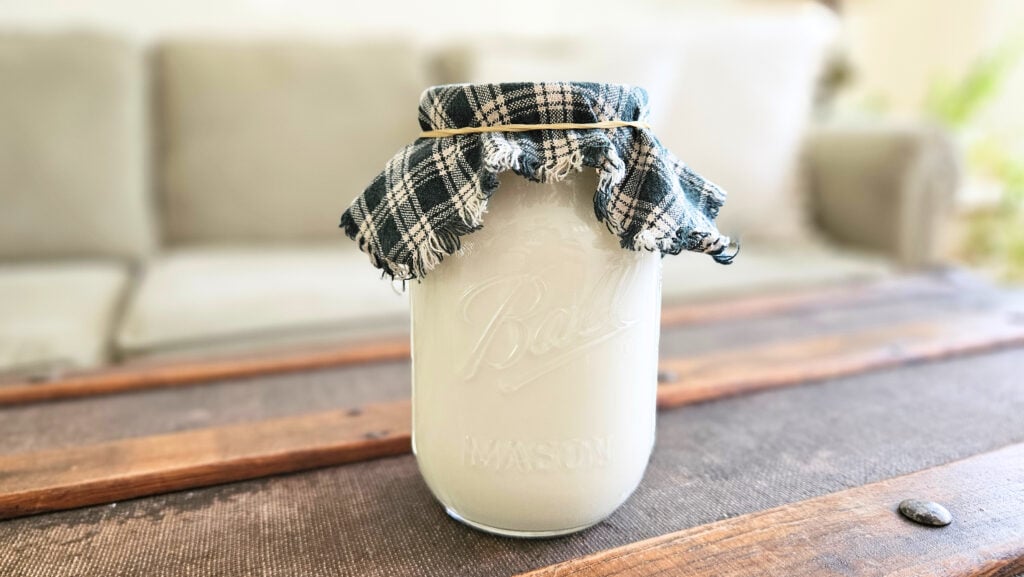
Step #2: When you are ready to begin culturing, take your pint jar of cream out of the refrigerator and add either 3 tbsp of raw milk kefir or 3 tbsp of raw milk Greek yogurt to your pint jar. Stir well and secure a breathable cloth over the opening of the jar with a rubber band.
Step #3: Allow the cream to culture at room temperature on your counter for 12-24hrs. The time it takes to culture and thicken into sour cream will depend upon the thickness of your cream and the temperature of the room. You can start this in the evening and then check it in the morning. If it isn’t thick yet, you can monitor it throughout the day.
Step #4: When the desired amount of thickness and sourness has been reached, replace the breathable cloth with a lid and store in the refrigerator. It will continue to thicken in the refrigerator. I would suggest using up the sour cream within a few weeks.
Tips
- When skimming the cream from the top, go slowly as you scoop with a measuring cup. As you notice streaks in the cream, you’ll want to stop so that you don’t incorporate the milk that is underneath into the cream.
- Fresh cream will be thinner than cream that is at least a few days old. I would skim the cream the day you bring home your raw milk, so that it doesn’t get accidentally drank, and then keep the cream in the refrigerator for at least a few days to allow it to thicken.
- After culturing the cream into sour cream at room temperature and then putting in the refrigerator, give the sour cream a good stir before it’s first use.
Ways to Enjoy
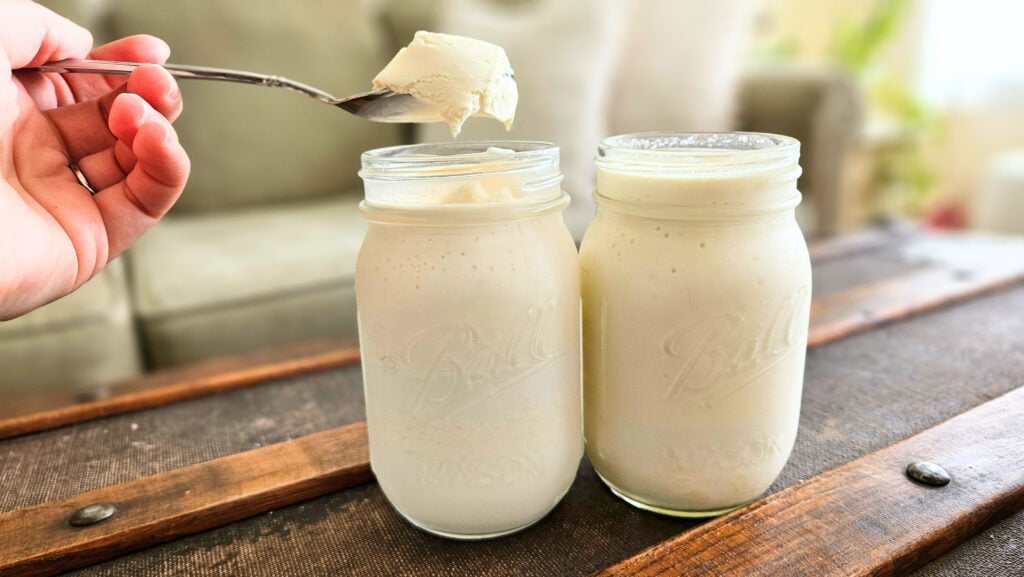
Sour cream is such a versatile condiment, there are so many ways to use it! Here are just a few ideas:
- Anything Mexican
- Tacos
- Nachos
- Burritos
- Quesadillas
- Dollop on
- Soups
- Chili
- Baked potatoes
- Baking
- Sour cream coffee cake
- Sour cream lemon cake
- Sour cream pound cake
- Sour cream cookies
- Substitute for
- Yogurt
- Mayonnaise
- Heavy cream
Cost-Benefit Analysis
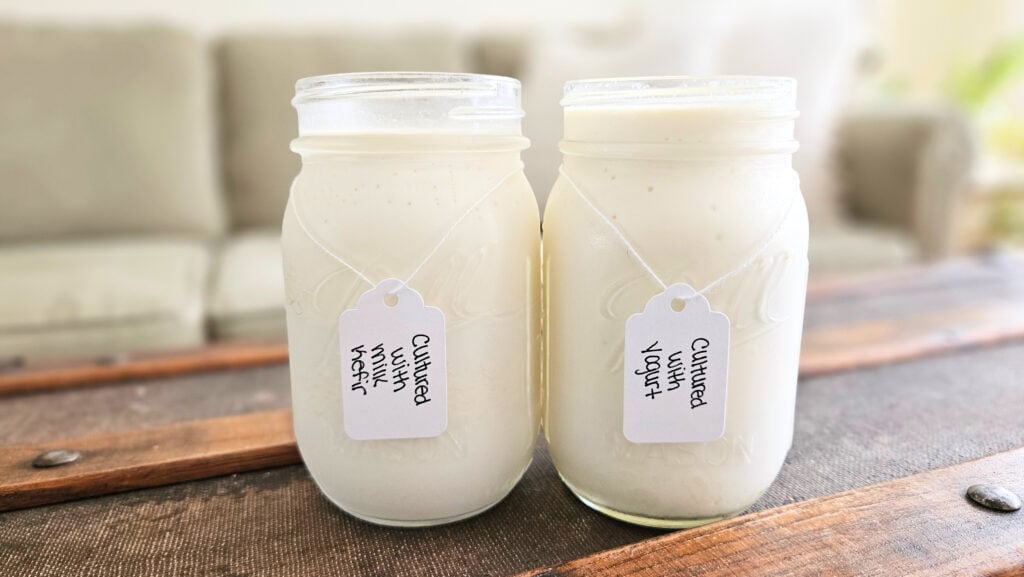
I think saving money on groceries is a priority for almost everyone these days! Making food from scratch definitely helps to reduce how much money is spent on food each week. For this cost-benefit analysis, I will be comparing my homemade raw sour cream with raw sour cream that can be ordered online, and a store-bought organic sour cream.
As of June 2026 in Tennessee:
Homemade Raw Sour Cream
*1 pint raw cream
- 1 gallon raw milk = $8.00
- 8 pints = 1 gallon
- 1 pint = $1.00
*The amount of cream that can be skimmed from 1 gallon of raw milk varies per gallon, and especially varies depending upon the time of year.
3 tbsp raw milk kefir
- 1 gallon raw milk = $8.00
- 256 tbsp = 1 gallon
- 1 tbsp = $0.03
- $0.03 x 3 = $0.09
OR
3 tbsp raw milk Greek yogurt
- 1 gallon raw milk = $8.00
- 256 tbsp = 1 gallon
- 1 tbsp = $0.03
- $0.03 x 3 = $0.09
Total: $1.09 (1 pint of homemade sour cream cultured with either raw milk kefir or raw milk Greek yogurt)
Frankie’s A2/A2 Raw Sour Cream (purchase here)
- 8oz sour cream = $12.00
- 8oz x 2 = 16oz (1 pint)
- $12.00 x 2 = $24.00
*Total: $24.00 (1 pint A2/A2 raw sour cream in glass)
*Does not include shipping fees.
Nancy’s Organic Probiotic Sour Cream (purchase here)
- 16oz sour cream = $5.30
Total: $5.30 (16oz/1 pint organic sour cream in plastic)
While the A2/A2 raw sour cream from Frankie’s and the organic probiotic sour cream from Nancy’s are both great options, homemade raw sour cream is SIGNIFICANTLY less expensive.
Frankie’s is great because it comes in glass and is raw A2/A2 cream. However, it is shipped from New York. Therefore, it wouldn’t be likely you would order just one item from them. It would make more sense to order in bulk.
Nancy’s is great because it is organic and has live active cultures in it. However, it is hit or miss whether you may be able to find it in stores. A local food co-op that I shop at has it in stock sometimes, but I linked Azure Standard so that anyone can purchase it if they want to.
As usual, I love that there are excellent options available for purchase, but I also love that my husband and I can eat extremely well without going broke 😅.
FAQs
Related Posts
I hope you find value in learning how food is made behind the scenes, and I hope you enjoy saving money in the process! 👌
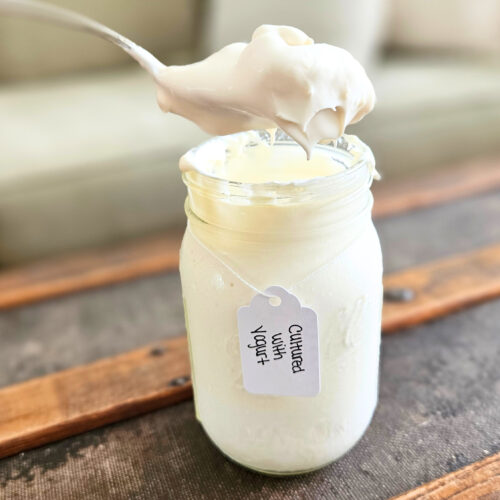
Homemade Sour Cream
Equipment
- 1 pint size mason jar
- 1 breathable cloth
- 1 rubber band
Ingredients
Kefir Cultured
- 1 pint raw cream
- 3 tbsp raw milk kefir
Yogurt Cultured
- 1 pint raw cream
- 3 tbsp raw milk Greek yogurt
Instructions
- Skim the cream from the top of your raw milk and add it to a pint size mason jar. Cream that is thick will result in a thicker sour cream, so I usually let the cream stay in the refrigerator for at least a few days, and sometimes up to a week.
- Take your pint jar of cream out of the refrigerator and add either 3 tbsp of raw milk kefir or 3 tbsp of raw milk Greek yogurt to your pint jar. Stir well and secure a breathable cloth over the opening of the jar with a rubber band.
- Allow the cream to culture at room temperature on your counter for 12-24hrs. The time it takes to culture and thicken into sour cream will depend upon the thickness of your cream and the temperature of the room.
- When the desired amount of thickness and sourness has been reached, replace the breathable cloth with a lid and store in the refrigerator for up to a few weeks.
Notes
- When skimming the cream from the top, go slowly as you scoop with a measuring cup. As you notice streaks in the cream, you’ll want to stop so that you don’t incorporate the milk that is underneath into the cream.
- Fresh cream will be thinner than cream that is at least a few days old. I would skim the cream the day you bring home your raw milk, so that it doesn’t get accidentally drank, and then keep the cream in the refrigerator for at least a few days to allow it to thicken.
- After culturing the cream into sour cream at room temperature and then putting in the refrigerator, give the sour cream a good stir before it’s first use.
This is a personal blog. All posts, recipes, recommendations, and how-tos are for informational use and personal viewing pleasure only. Blog posts are not written by AI.

subscribe