

Easy Crockpot Applesauce
Homemade applesauce is very easy to make and is a great healthy snack that can be enjoyed during apple season, and all year long.

This post may contain affiliate links. Please see our site disclosure for more information.

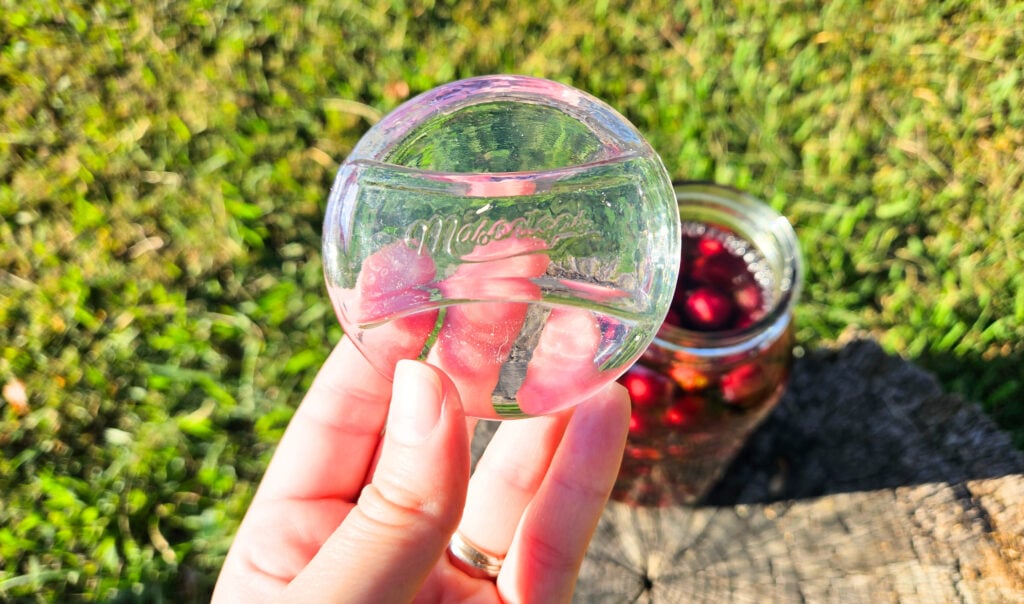
With apple season coming to an end, you may be wondering what to do with all of the apples you stocked up on. Besides eating them fresh, you can use apples for many recipes such as in baking, making sauces and butters, and you can make your own apple juice or cider.
Two of the most common ways I use an abundance of apples are in making applesauce and apple cider vinegar.
Follow along and I’ll show you why homemade applesauce should always be in your kitchen, I’ll walk you through the easy process of making it in your crockpot, and I’ll provide you with resources for other methods to make homemade applesauce.
As usual, I’ll also go through the cost-benefit analysis of making your own applesauce vs. buying organic applesauce.
Why Make Applesauce from Scratch?

If you have taken a look around my blog, it’s easy to figure out that even though I can purchase something, I still like to try my hand at making things from scratch at home. Applesauce is no different! Keep reading to see the benefits.
Easy Process
Making homemade applesauce can be done by anyone, even if you aren’t overly talented in the kitchen. There are also options you can choose from in how you make it, allowing people with different kitchen equipment to make it their own way.
Inexpensive
I have come to find that even if I can get good deals on a high-quality store-bought product, I usually save money by making the homemade equivalent. This applesauce recipe is following suit with that! Check out the cost-benefit analysis for all the details.
Versatile Use
Applesauce can be eaten as is, or it can be incorporated in many different recipes. Try using homemade applesauce the next time you make:
- Applesauce cake
- Applesauce bread
- Apple turnovers
- Apple spice muffins
- Apple fruit leather
- Apple cider donuts
These are just a few examples! Applesauce is great at adding moisture when baking. It can also be used as a replacement for eggs or sugar, if you are either out of either of those ingredients or just simply avoiding them.
Enhanced Flavor
Homemade food is notoriously better tasting, including homemade applesauce. When you make your own applesauce, you have full control over the flavor. You choose which apples you use, and which spices, if any, you want to add. It is fully customizable to your taste buds.
Ingredient Control
Homemade applesauce allows you to choose the best, most fresh, organic apples, thus reducing your pesticide exposure. It also allows you to choose to avoid additional sweeteners or any other food additives. No need to consume high-fructose corn syrup! When you can’t make a particular food ingredient at home, that should be a sign 😅.
Health Benefits of Applesauce
Healthy food is good for the body. Check out these health benefits from consuming applesauce:
- Antioxidants– Phytochemicals can reduce your risk of cancer, diabetes, and heart disease. Apple skin gives you the most antioxidants.
- Heart Health– Polyphenols may help to reduce blood pressure.
- Digestive Health– Pectin, which is soluble fiber, can be helpful for people with diarrhea, constipation, or irritable bowel syndrome. Pectin is also a prebiotic, which feeds the good gut bacteria, thus promoting better gut health.
- BRAT Diet– Applesauce is one of the foods included in the BRAT diet, along with bananas, rice, and toast. People consume these easy to digest foods when experiencing nausea, vomiting, or diarrhea.
- Lower Risk of Asthma– Antioxidants can help reduce oxidative damage in the lungs. Quercetin can boost your immune system and reduce inflammation.
- Fight Infections– Quercetin boosts your immune system, which enables your immune system to be able to fight infections and illnesses.
- Nutrition– Potassium, vitamin A, vitamin C, vitamin B6, calcium, and magnesium are present in applesauce.
Peeled vs. No Peel Applesauce

I’ll be honest, the first time I ever went through researching different applesauce recipes trying to see different tips and tricks, I didn’t understand why everyone was so insistent on peeling your apples. To me, that seemed like added hassle and a reduction in beneficial nutrition. However, the end result is different in peeled vs. no peel applesauce.
Peeled Applesauce
If you do not have a food mill and you want the usual applesauce texture that most people are used to, I would suggest peeling your apples prior to cooking them. Peeled and cooked apples are easily made into a chunky or smooth applesauce, whichever is your preference.
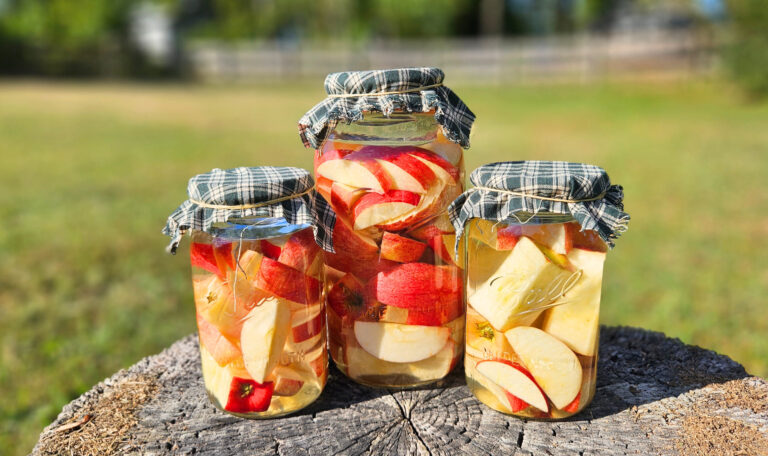
Peeling and coring your apples may take more time, but it is not a waste in the least. You can easily turn your apple cores and skins into homemade apple cider vinegar. Turning fruit scraps into vinegar is a great way to reduce food waste and add more beneficial microbes to your diet.
favorite applesauce
My favorite applesauce is made from peeled and cored gala apples cooked on low in the crockpot. I use a potato masher when they are very tender, and I sprinkle a little bit of cinnamon on top of each serving.
No peel Applesauce
If you want to skip the step of peeling your apples, you will retain more nutrients in the final applesauce. You can either keep the skins intact, adding to the texture of your applesauce, or you can blend them into your applesauce with a blender, immersion blender, or food processor. If you want to skip peeling your apples but don’t want to keep the skins, simply cook the apples without peeling or coring them and then use a food mill to separate out the seeds, stems, and peels.
I have made applesauce both ways, both peeled and no peel. My preference is peeled, but if I want to spend less time, I just chop my apples and enjoy knowing the apple skins are full of nutrients!
For another food bloggers take on no peel applesauce, please see From Scratch Farmstead:
Methods for Making Applesauce

The three most common ways to make applesauce is either using a Crockpot, Instant Pot, or simply cooking it on your stovetop. I do not recommend using a microwave for making applesauce, or just in general for anything.
Crockpot Applesauce
I like making applesauce in the crockpot because it is easy to start it and walk away for several hours without ever having to check on it. Simply add your apples, a little bit of water, and some cinnamon if you prefer. Select your heat setting and walk away.
Your heat setting, plus how full your crockpot is, will determine how long your apples take to cook. If cooking on low, you can estimate around 4-6 hours for the cook time. If cooking on high, it will likely take around 2-4 hours.
Instant Pot Applesauce
Believe it or not, I actually do not own an Instant Pot. I am not against Instant Pots for any specific reason, but I like to keep my kitchen equipment as simple as possible. I have never been in a situation where cooking something in the oven, on the stove, or in my Crockpot was not going to work. Therefore, I have never made applesauce using an Instant Pot.
For another bloggers take on making applesauce in the Instant Pot, please see Farmhouse on Boone:
Stovetop Applesauce
Stovetop applesauce is the quickest to make, but it does require you to be present during the cooking process. Simply add your apples, water, and desired spices to a large pot. Heat on medium for about 30 minutes, or until the apples are very soft.
As with the other methods, you can choose to peel or not to peel your apples. You can also choose between mashing or blending your cooked apples, depending on your desired texture.
How to Make Easy Crockpot Applesauce

Ingredients
- Apples: You can use any variety of apples you prefer and any quantity of apples that fit in your crockpot, or other means of cooking. For this particular batch, I used 12 apples.
- Water: Even though apples are juicy, it’s a good idea to add a little bit of water to make sure they don’t get scorched on the bottom. For 12 apples in my crockpot, I used about ½ cup of water.
- Cinnamon: If you want to add extra flavor to your applesauce, try adding a little cinnamon. When I use cinnamon, I honestly never measure. I just sprinkle and taste test as I go!
- Sweetener: If you use tart apples, you may want to sweeten them with a little bit of organic cane sugar or raw local honey.
Equipment
- Peeler: Easy way to peel if you want to remove the skins.
- Crockpot: My preferred method! Super easy way to make applesauce that produces consistent results.
- Potato masher: Results in a more chunky applesauce.
- Blender/Immersion Blender/Food Processor: Results in a more smooth applesauce.
- Mason Jars: Simple way to store applesauce whether you keep it in the refrigerator, freeze it, or can it.
Instructions
For this recipe, I’ll be explaining how to make applesauce in a crockpot.
Tap/click the images for a description of each step ⬇️

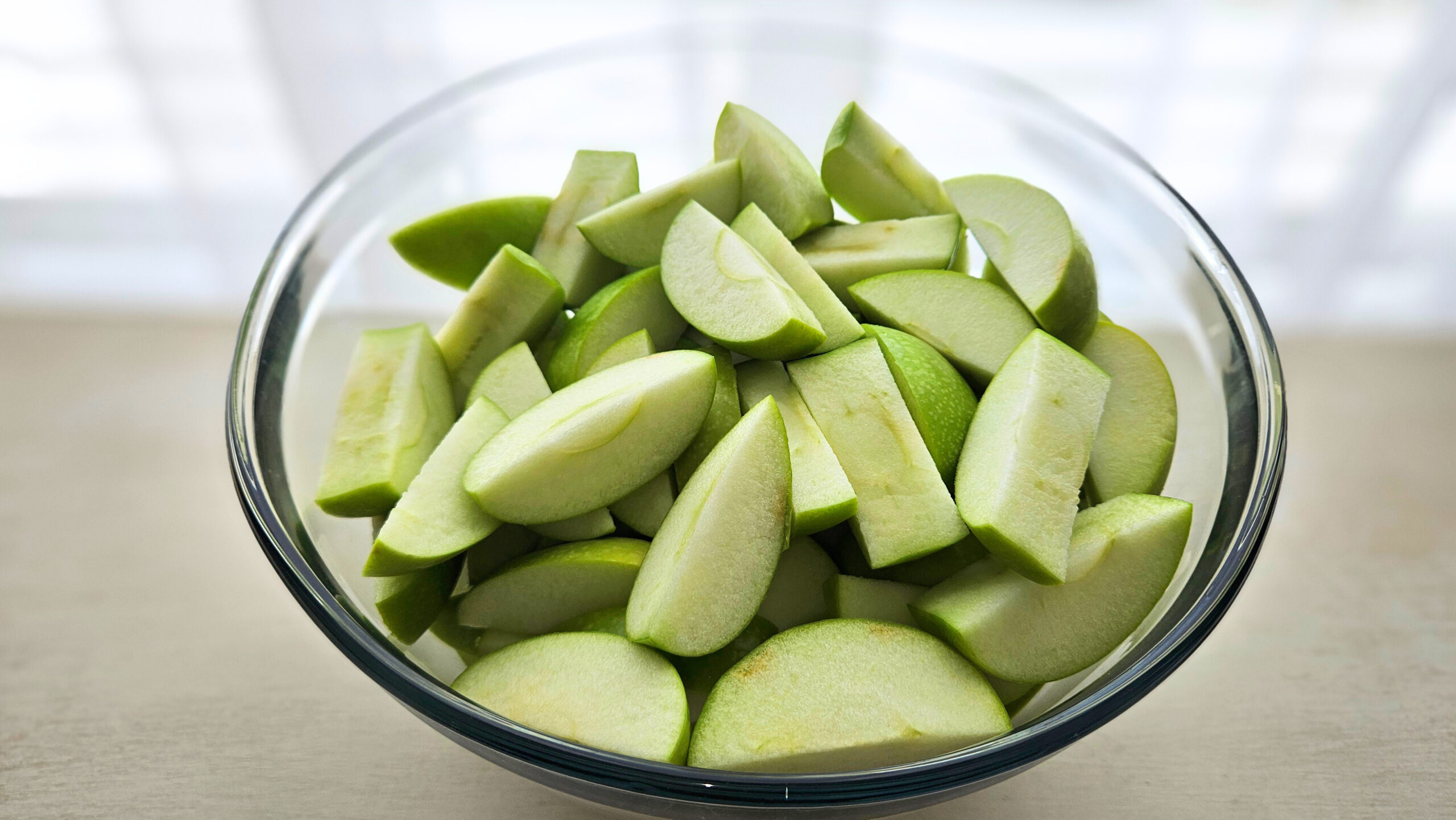


- If you want to peel your apples, this is the first step. Please see the section on peeled vs. no peel apples for more information.
- Chop your apples and add them to your crockpot. If you don’t have a food mill, core your apples as well. Remember, the cores and skins can be saved to make apple cider vinegar.
- Add water, and cinnamon if desired. You can also wait to add your cinnamon until the apples are fully cooked.
- Cook on low for 4-6 hours or on high for 2-4 hours.
- Use a potato masher, blender, immersion blender, or food processor to puree your cooked apples.
- Adjust taste as desired with natural sweeteners or spices.
- Transfer your applesauce to mason jars for storage. It can be kept in the refrigerator for up to one week. You can also freeze or can applesauce. I have never canned applesauce, but freezing works wonderfully. Once thawed, I have never noticed any differences between applesauce that has been frozen and applesauce that has never been frozen.
Tips
- Use whichever apples you enjoy eating and that will produce an applesauce that tastes best to you.
- Always buy organic apples when making applesauce. Apples are very prone to attracting pests, which is why most farmers spray them with pesticides. If you can find a farmer that grows apples without the use of pesticides, it will be so much easier on your body when you reduce your exposure to pesticides.
- If freezing applesauce, please leave a couple inches of space at the top so that the applesauce doesn’t expand and crack the mason jar.
Ways to Enjoy
- Healthy snack
- Healthy breakfast
- Baking
- Desserts
- Natural sweetener
- Sugar, egg, butter, or oil substitute
Cost-Benefit Analysis


Calling all money savers! Check out the financial breakdown of homemade applesauce vs. store-bought applesauce. As usual, I will be comparing my homemade version with the closest store-bought equivalent.
As of November 2025 in Tennessee:
Easy Crockpot Applesauce
12 organic apples
For local in-person shopping, I usually find organic apples at Aldi. Gala apples are the ones I most commonly purchase.
A 3lb bag of organic gala apples is $4.75. I would need 2 bags to get 12 apples, which makes the price $9.50.
12 organic gala apples = $9.50
- Yield: 3 pints of applesauce (6 cups; 48oz)
Since I don’t like to waste the apple skins or cores, I also made apple cider vinegar from these same 12 apples. The apple cider vinegar yielded about 3 cups.
Homemade Applesauce Total: $9.50
- 3 pints (6 cups; 48oz) organic applesauce
- 3 cups organic apple cider vinegar
Store-Bought Applesauce and Apple Cider Vinegar
It’s actually very rare for me to be able to find jars of organic applesauce in my local grocery stores. I was able to find organic applesauce made from gala apples on the Azure Standard website.
North Coast Organic Gala Applesauce (find here)
- $3.88 for 24oz jar
- $7.76 for 48oz/6 cups/3 pints
Azure Market Raw Apple Cider Vinegar (find here)
- $3.38 for 16oz
- To have 3 cups of apple cider vinegar like I was able to make from my 12 apples, I would need 1.5 bottles of the Azure Market Raw Apple Cider Vinegar. 1.5 bottles would cost $5.07.
$7.76 (applesauce) + $5.07 (apple cider vinegar) = $12.83
Store-bought Applesauce Total: $12.83
- 3 pints (6 cups; 48oz) organic applesauce
- 3 cups organic apple cider vinegar
As you can see, if we only compare applesauce being made from my 12 organic apples, it is actually less expensive to buy store-bought applesauce. However, since I don’t waste the cores or peels, but instead make apple cider vinegar as well, it is actually more financially beneficial to make both from scratch.
FAQs
Related Posts
I hope you enjoy a new way to enjoy apples this time of year 🍎.

Easy Crockpot Applesauce
Ingredients
Equipment
Method
- Peel your apples if desired. Please see the section on peeled vs. no peel applesauce for more information.
- Core and chop your apples. Add to your crockpot. You can skip coring if you have a food mill.
- Add water to prevent scorching. Sprinkle cinnamon if desired.
- Cook on low for 4-6 hours or on high for 2-4 hours.
- Use a potato masher, blender, immersion blender, or food processor to puree your cooked apples.
- Adjust taste as desired with natural sweeteners or spices.
- Transfer your applesauce to mason jars for storage.
Notes
- Applesauce can be stored in the refrigerator for up to 1 week or in the freezer for up to 1 year.
- Use whichever apples you enjoy eating and that will produce an applesauce that tastes best to you.
- Always buy organic apples when making applesauce. Apples are very prone to attracting pests, which is why most farmers spray them with pesticides. If you can find a farmer that grows apples without the use of pesticides, it will be so much easier on your body when you reduce your exposure to pesticides.
- If freezing applesauce, please leave a couple of inches of space at the top so that the applesauce doesn’t expand and crack the mason jar.
This is a personal blog. All posts, recipes, recommendations, and how-tos are for informational use and personal viewing pleasure only. Blog posts are not written by AI.



subscribe