

Is Raw Milk Safe? What are the Benefits? (+ My Personal Experience)
Raw milk has been a staple in my diet for several years now. I love the taste, the versatility, and the many health benefits. If you are wondering why people choose to drink raw milk, what the benefits are, and if it is even safe to consume, follow along as I share my personal experience.
Also, be sure to check out a comprehensive list of resources for purchasing raw milk near you 👇.

This post may contain affiliate links. Please see our site disclosure for more information.


My Personal Experience
I first learned about raw milk from my husband. He grew up taking care of dairy cows with his dad, and he even had his own little business of selling his raw milk to local family and friends. Due to this, he much preferred raw milk over store-bought milk.
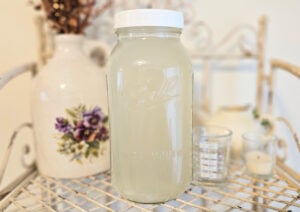
I had never had raw milk prior to a few years ago. I thought I was doing pretty good buying store-bought organic milk. However, after reading about the benefits of raw milk, and the disadvantages of store-bought (pasteurized and homogenized) milk, I decided to give it a try.
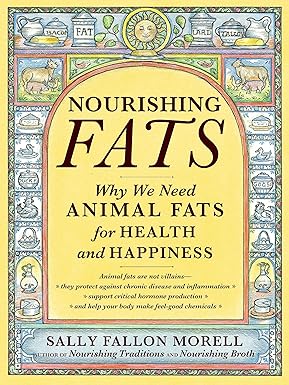
A great book on raw milk, and traditional foods and cultures as a whole, is Nourishing Traditions by Sally Fallon.
When I first began being interested in raw milk, a friend told me about a local Mennonite family with a dairy farm that sold raw milk through “herd shares”. It varies all over the country, but in the state of Tennessee, raw milk is legally allowed to be sold under the label of “pet consumption only” or through “herd shares”.
To learn about the laws in your state, please see below:
What is a Herd Share?

A herd share, also known as a cow share, works by the consumer buying a share in a cow or herd of cows. Instead of owning the cow(s) outright, you own only a portion. You pay a one-time fee for the share, which is refunded to you if you or the farmer terminates the agreement.
Then, you pay an ongoing weekly or monthly boarding fee. This boarding fee covers the cost of taking care of the cow(s) and producing the milk. In exchange for this boarding fee, you get your agreed upon amount of raw milk on a weekly basis. Some farmers provide the jars or jugs for the milk, and some ask that you provide those.
This also works the same for goats and raw goat milk.
The two most common ways to receive your raw milk through a herd share are drop locations and on-site farm pick-up. Drop locations work by picking up the milk at a designated location at a set time. Farm pick-up works by the customer picking up their raw milk at the farm location on a specific day. This option offers more flexibility because most farmers place the raw milk in a publicly accessible refrigerator, or cooler with ice, and allow the customer to stop by at any time (within reason) that day.
What is Pet Consumption Only?
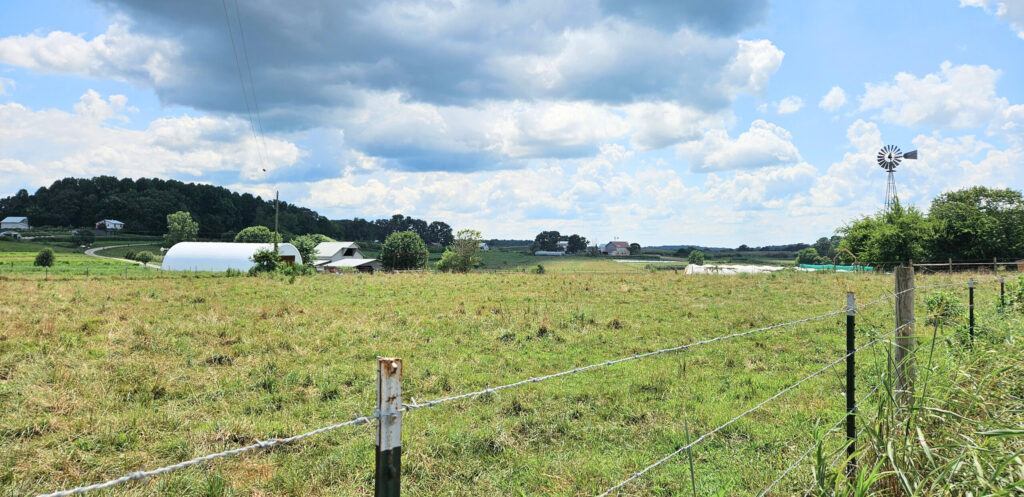
The other way that raw milk is sold in Tennessee is through labeling the milk “for pet consumption only”. In this scenario, the farmer is following the law in stating the intended purpose of the milk, and it is your decision how to best use it.
Pet consumption only raw milk can be received by drop locations, on-site farm pick-up, and at farmer’s markets. Since it doesn’t require a contract, anyone visiting a farmer’s market can purchase raw milk through this label. This creates greater flexibility for the farmer and the consumer.
When I first began purchasing raw milk, it was through a herd share at a local Mennonite farm. They recently decided to stop the business, and I have since switched to a new source. My new source for raw milk is from another local farm. This farm sells their raw milk for pet consumption only. After experiencing both ways, here are the pros and cons:
Mennonite Farm Herd Share Pros
- Most affordable
- Glass milk jars were provided
- One-time set-up (same amount of milk every week on the same day)
- Drop in any time on scheduled day to pick up (no appointments = greater flexibility)
- Could request either no milk or a different amount of milk ahead of time through a written note left at the milk stand (flexibility)
- The dairy farm was a part of a larger farming community with a farmer’s market (convenience of raw milk, produce, and more all at one location)
Mennonite Farm Herd Share Cons
- Down payment
- Same monthly price even if I had a week or two that I requested no milk
- Had to stick to same day each week even if I ran out ahead of time
- No electricity- communication was only in-person or notes left at the milk stand
Pet Consumption Only Farm Pros
- No down payment
- One day’s notice to request any amount (within reason) of milk (call or text)
- Drop in any time on requested day to pick up (no appointments = greater flexibility)
- Don’t have to worry about informing her to cancel an order for me (not tied down to a commitment)
- Can get milk any time I run out (either one day’s notice ordering or seeing if there is extra milk on hand)
Pet Consumption Only Farm Cons
- More expensive per gallon
- Milk is stored in plastic jugs (they are recyclable)
- Only a dairy farm- no other resources at this location
Some of the differences are simply due to working with people of different backgrounds (Mennonite vs. modern American). Some of the differences are specific to herd share vs. pet consumption only. These pros and cons are specific to two distinct dairy farms. You’ll have different experiences everywhere you go.
Overall, I have had pleasant experiences with both, and I am very grateful to have good local resources.
Find Raw Milk Near You
Is Raw Milk Even Safe?

Well, I am alive, so it must be! 😂
In all seriousness, I understand the concern over food safety. Proper hygiene and cleanliness is vital for human health and survival. The whole point of food is to be the building blocks of all the cells of your body. The last thing you need is to burden your body with harmful substances (skip the fast “food” line!!).
Why is Raw Milk Considered Unsafe by Some?
According to the FDA and CDC, raw milk is considered unsafe because it can contain disease-causing pathogens such as Enterotoxigenic Staphylococcus aureus, Campylobacter jejuni, Salmonella species, E. coli, Listeria monocytogenes, Mycobacterium tuberculosis, Mycobacterium bovis, Brucella species, Coxiella Burnetii, Yersinia enterocolitica. Illnesses caused by these bacteria can be especially difficult for infants, young children, elderly people, and those who are immunocompromised. (source)
“Based on CDC data, literature, and state and local reports, the FDA compiled a list of outbreaks that occurred in the U.S. from 1987 to September 2010. During this period, there were at least 133 outbreaks due to the consumption of raw milk and raw milk products. These outbreaks caused 2,659 cases of illnesses, 269 hospitalizations, 3 deaths, 6 stillbirths and 2 miscarriages.” (source)
According to the B.C. Fresh Milk Research Project, there have been 155 outbreaks, 153,877 illnesses, 282 hospitalizations, and 82 deaths from pasteurized dairy products from 1966 to 2015. (source)
I do not actually know how the reports from either organization are handled. I do not know the criteria, the standards, the means of investigation, or how the outbreaks, illnesses, hospitalizations, deaths, stillbirths, or miscarriages are proven to be from an exact food source and not a different food consumed or an entirely different source altogether.
According to the CDC, “It’s rarely possible to link individual illnesses to a particular food. But such links are possible during outbreaks because many people get sick from the same food.” (source)
With that being said, I wish no one to become sick, or worse, from raw milk or any food. We do not live in sterile environments. On a daily basis we are surrounded by bacteria, viruses, fungi, and parasites. I believe the two best ways to live in harmony with these organisms, and not be overtaken by them, is through cleanliness and optimal personal health.
The Raw Milk Institute (RAWMI)
Additionally, not all raw milk is produced or handled the same. The Raw Milk Institute (RAWMI) has established common standards for low-risk raw milk production. (source)
”The mission of the Raw Milk Institute (RAWMI) is to improve the safety and quality of raw milk and raw milk products through training and mentoring farmers; educating consumers; establishing international raw milk guidelines; improving consumer access and producer transparency; and investment in raw milk research.” (source)
The three core principles of RAWMI Common Standards are:
- Farmer mentoring and training
- Risk management plan for each farm
- Rigorous bacterial testing standards
To read more in-depth details on these common standards, please see below:
As you can see, I’m sure you wouldn’t buy raw milk from a farmer with bad or lacking practices, just as you wouldn’t eat at a restaurant with poor food quality, hygiene, and handling standards.
Food Poisoning
On a personal note, I have never experienced food poisoning from raw milk. I have had food poisoning once in my life, and it occurred after eating a salad. The salad was made at home with organic ingredients bought from a chain grocery store.
According to a CDC study, “Among all types of foods, produce accounted for nearly half of illnesses, which were most often caused by norovirus. The most common sources of fatal infections were meat and poultry, much due to Salmonella and Listeria.” (source)
The types of food categories which fall under produce are fruits and nuts, fungi vegetables, leafy vegetables, root vegetables, sprout vegetables, and vine-stalk vegetables. Leafy vegetables accounted for the majority of the illnesses. Poultry accounted for the most deaths, at 19%. (source)
My personal experience with food poisoning definitely aligns with the data!
Benefits of Raw Milk 🥛

Most decisions in life come down to a risk-benefit analysis. Since we’ve discussed the risks associated with raw milk, and contaminated food as a whole, it is only fair to now discuss the benefits.
Nutritional Benefits
Raw milk contains a wide variety of essential nutrients, fats, proteins, anti-inflammatory and digestive enzymes, bioavailable vitamins, and minerals. All of this is contained in a natural, unprocessed state. In addition, raw milk facilitates the production of the lactase enzyme in the intestinal tract, which allows many people who are lactose intolerant to digest raw milk. (source)
The nutrient and immune factors present in raw milk are beneficial enzymes, diverse probiotics, lactase-producing bacteria, healthy fats, AA, CLA, DHA, EPA, proteins, bioavailable vitamins, bioavailable calcium, bioavailable phosphorus, and IgA/IgG immunoglobulins. All of these nutrients and immune factors are either reduced, inhibited, destroyed, damaged, or totally inactive in pasteurized milk. (source)
“Large epidemiological studies have found that raw milk consumption is correlated with:
- lower rates of asthma and allergies
- less eczema
- lower rates of ear infections, fevers, and respiratory infections
- increased abundance of probiotic Lactobacillus in the gut”
(source)
Additional benefits
(source)
- Lactic-acid producing bacteria protects against pathogens, which is a naturally occurring protective mechanism (if you kill the good bacteria and some amount of bad bacteria remain present, there will be nothing to keep the bad bacteria from growing and causing harm)
- Whole complex of proteins are more available
- Greater amount of Vitamin C and other water-soluble vitamins present as compared to pasteurized milk
- B12 is present (needed for healthy blood and nervous system)
- Many minerals such as calcium, chloride, magnesium, phosphorus, potassium, sodium, sulphur (also contains trace minerals)
- No unnecessary strain on the pancreas to produce digestive enzymes as compared to pasteurized milk (milk consumption in civilized societies has been linked to diabetes)
- No loss of enzymes, which help the body assimilate all body building factors
- No synthetic vitamins are added
- No homogenization, which has been linked to heart disease
- Greater animal welfare (source)
Types of Raw Milk Available

Casein is the largest group of proteins present in milk. The two most common forms are A1 beta-casein and A2 beta-casein. Due to these two types of casein, you’ll hear about A1 milk and A2 milk. According to Healthline, “Regular milk contains both A1 and A2 beta-casein, but A2 milk contains only A2 beta-casein.” (source)
Cow breeds that are high in A1 include Holstein, Friesian, Ayrshire, and British Shorthorn. Cow breeds that are high in A2 include Guernsey, Jersey, Charolais, and Limousin. (source)
I honestly have not done much reading on the differences between A1 and A2 milk, but I hear most people say that A2 milk is the better choice.
The raw milk I purchase comes from Jersey cows, which are supposed to be high in A2. Honestly though, I wouldn’t pass on raw milk just because it wasn’t A2. A1 is still unpasteurized and non-homogenized. If I didn’t experience any negative effects when consuming it, I would choose it any day over store-bought milk.
Tips to Find GOOD Raw Milk

- Check out the links listed above for local raw milk sources
- Don’t be afraid to ask questions
- Ask about diet
- Ask about vaccines
- Ask about bacterial testing
- Ask about any possible past outbreaks
- See in-person the environment that the cows live in and if they appear to be healthy
- Talk to other people who have personal experience in the matter, either as the consumer or as the farmer
Ways to Enjoy Raw Milk

- Plain drink
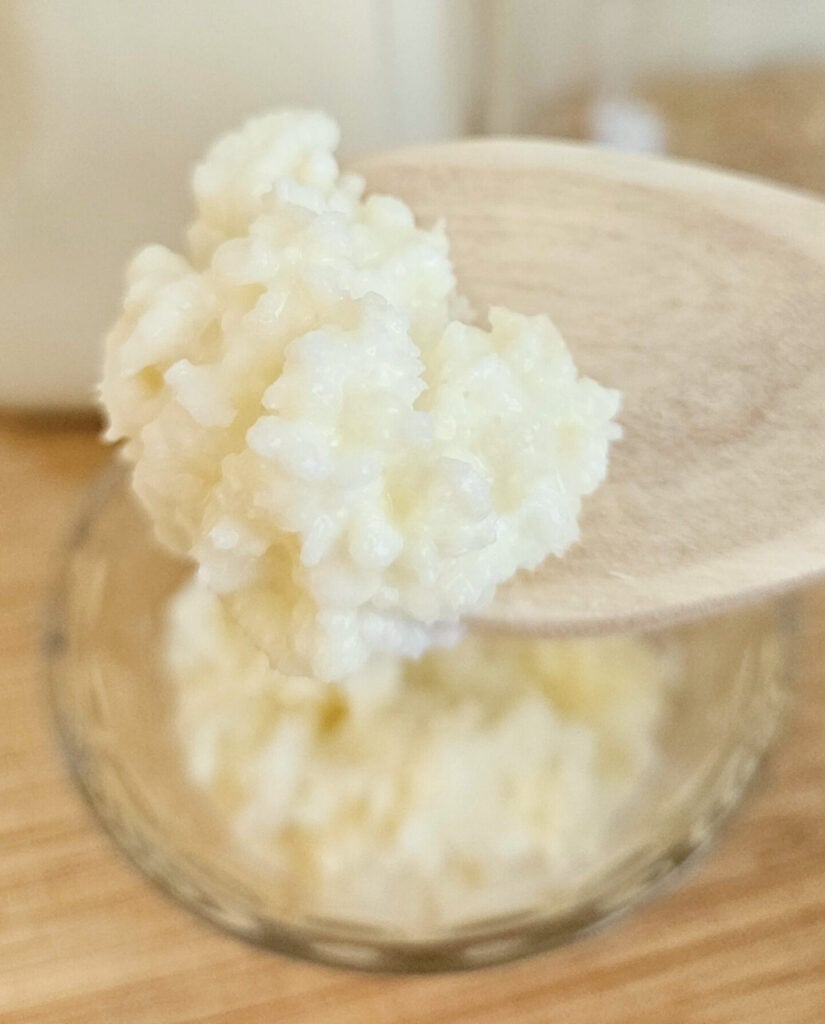
- Raw milk kefir
- Smoothies
- Yogurt
- Ice cream
- Butter
- Buttermilk
- Cream cheese
- Sour cream
- Kefir cheese
- Mozzarella cheese
- Cottage cheese
- Hard cheeses
- Pudding
- Whipped cream
- Hot chocolate
- Eggnog
- And more!
Storing Raw Milk
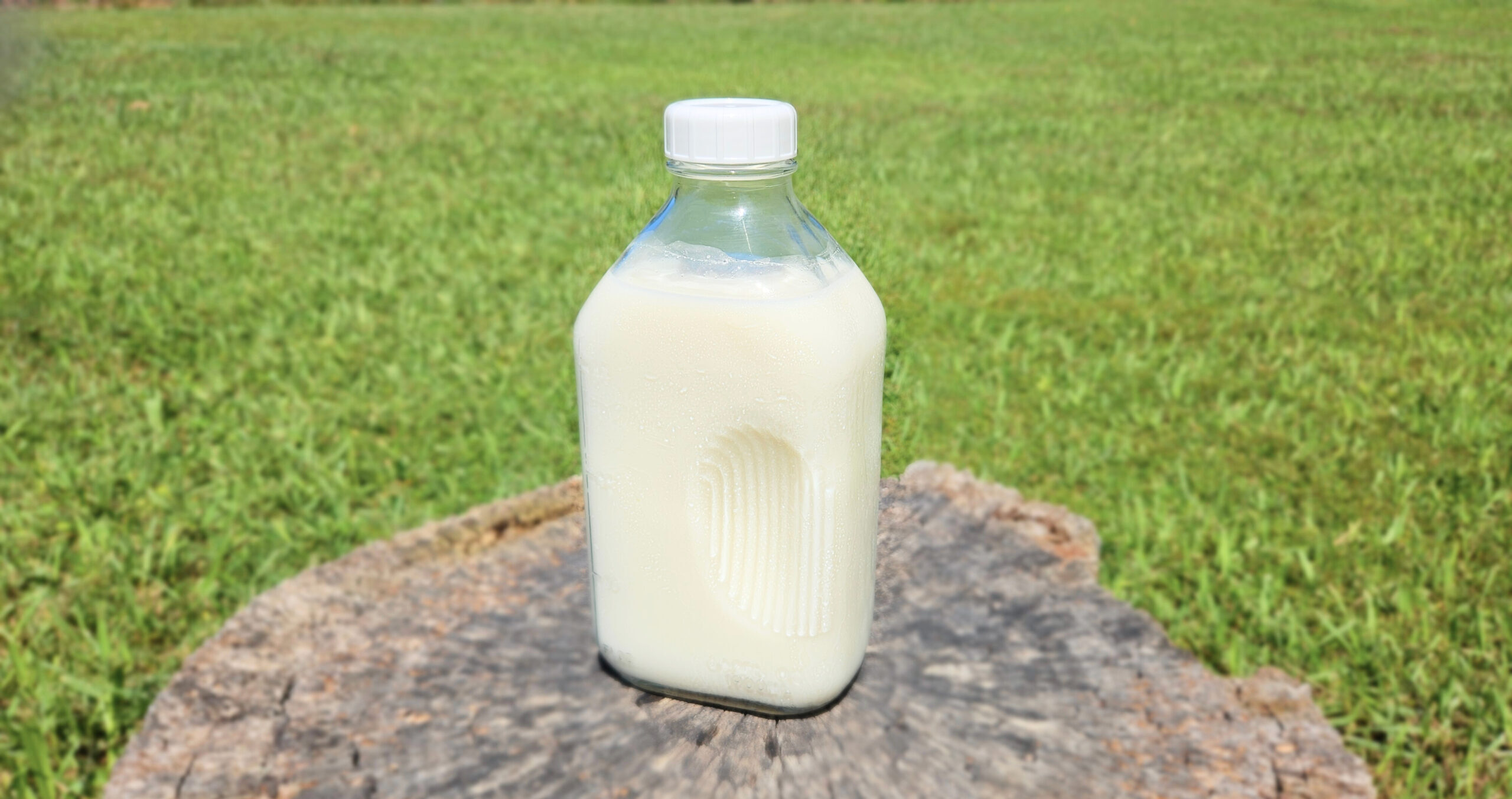
Raw milk should be refrigerated immediately, as with any milk. Most sources say it should be consumed within two weeks. I usually consume mine by week one.
These are my favorite glass milk jars that I transfer my raw milk to after I bring it home:

2 Quart Glass Milk Bottles
Well you only really need glass milk bottles if you are purchasing raw milk… bring on the controversy!! Raw milk is one of my absolute favorite health foods. We have a local dairy farm near us, allowing us the opportunity to purchase good quality clean raw milk. They use gallon sized jars to bottle all of their milk, so when I bring it home I transfer the milk to these half gallon milk bottles. Glass is always a desirable material and these are…
If you know you won’t be able to consume it fully before it starts to sour, you have several options to ensure it’s not wasted.
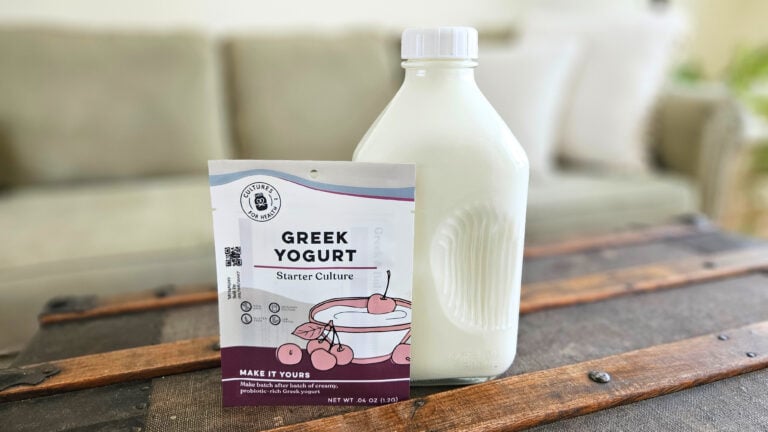
- Culture the milk. Raw milk kefir is a personal favorite of mine and it will last in the refrigerator for several weeks. Yogurt is another good option for a homemade cultured dairy product.
- Freeze the milk. It is not my favorite way to store milk, but I would choose this as opposed to throwing it away. It will be a different texture once thawed, unless you freeze skim milk.
- Freeze-dry the milk. I have not tried this yet, but freeze-dried milk is supposed to last up to 20 years. You store it in its powdered form, and then rehydrate it with water when wanted.
Recipes that Use Raw Milk

Risk vs. Benefit
At the end of the day, you have to weigh the risk vs. benefit of raw milk and decide what is best for you. Based upon my experience and the reading that I have done, I have no fears over raw milk. I source it from a high quality farm, I handle and store it well, and I consume it within an appropriate time frame. I love to drink it plain, and I love the versatility of all that I can make with it.
Overall, for me it is a no brainer that raw milk is a winner in my book! 🥛
FAQs
This is a personal blog. All posts, recipes, recommendations, and how-tos are for informational use and personal viewing pleasure only. Blog posts are not written by AI.

subscribe