



How to Make Homemade Cream Cheese
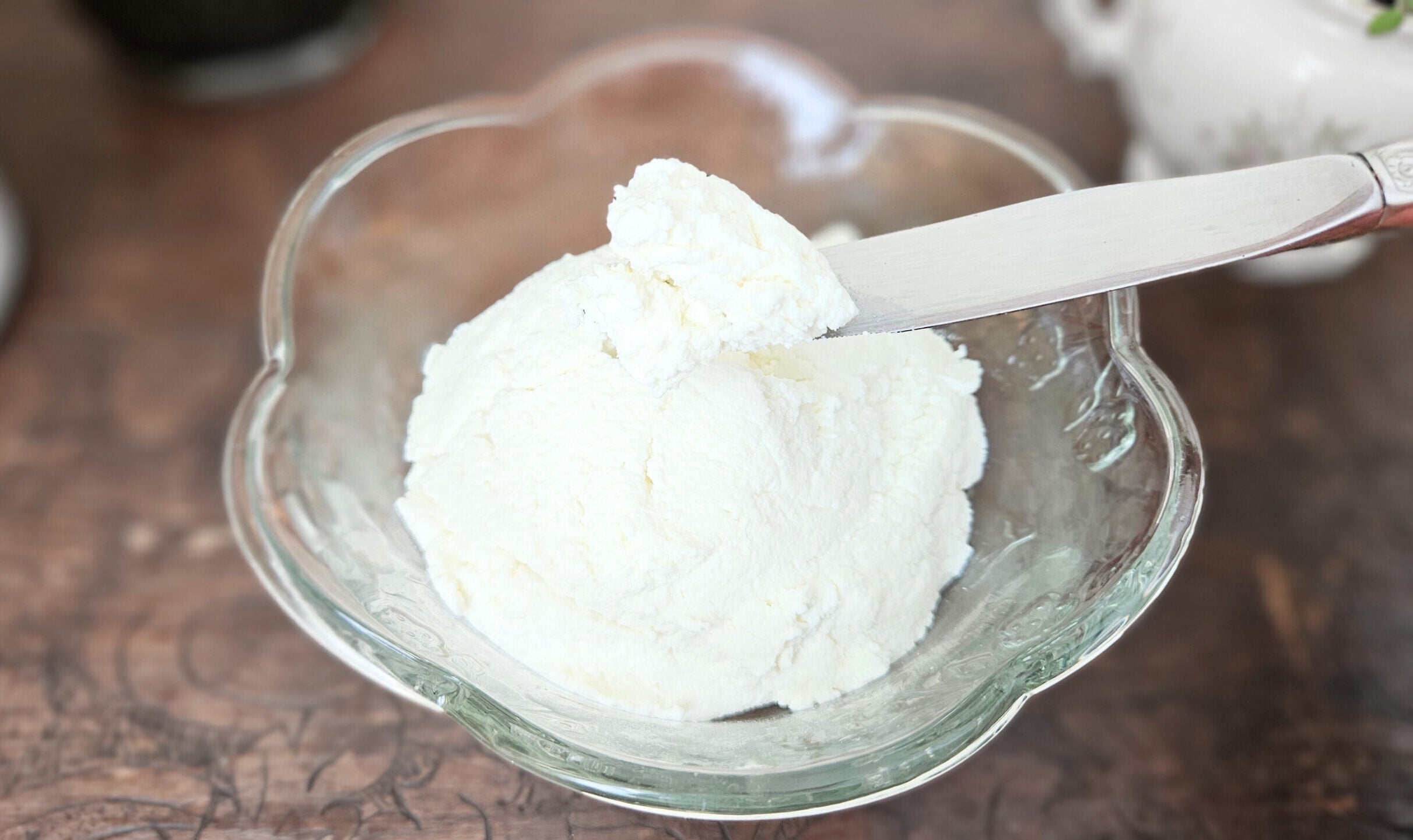
Homemade cream cheese, made from raw milk, is a super simple cheese anyone can make. It is quick and easy to make, it requires only three ingredients, and there is no special cheesemaking equipment.

This post may contain affiliate links. Please see our site disclosure for more information.


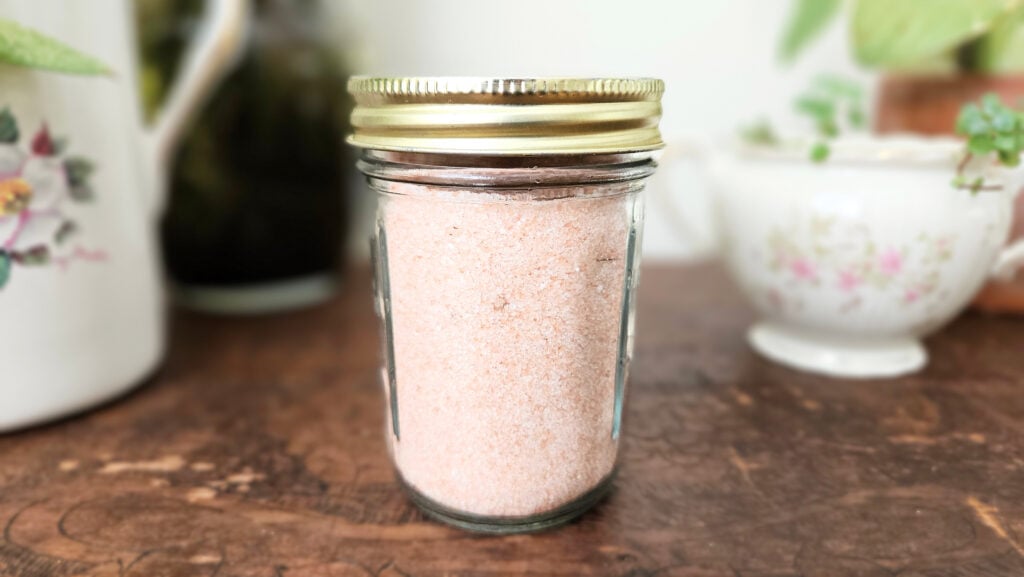
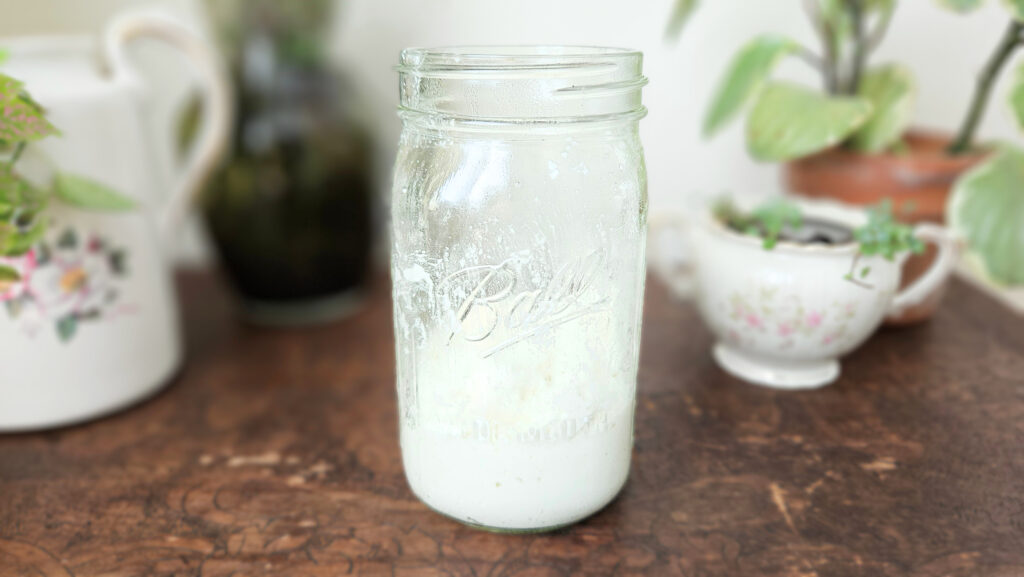
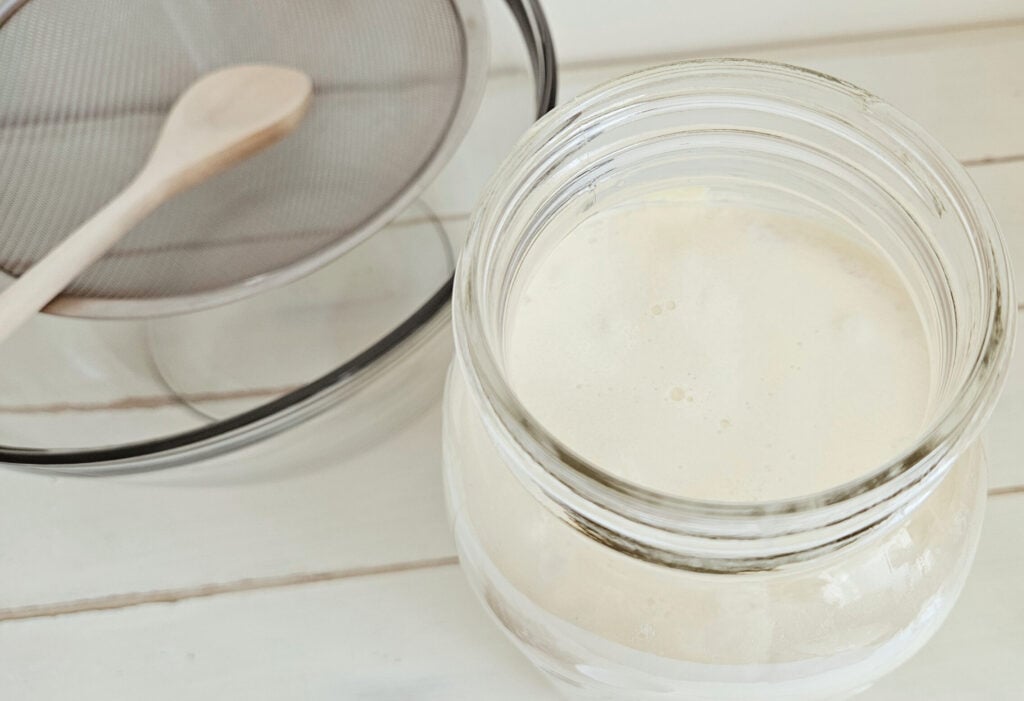
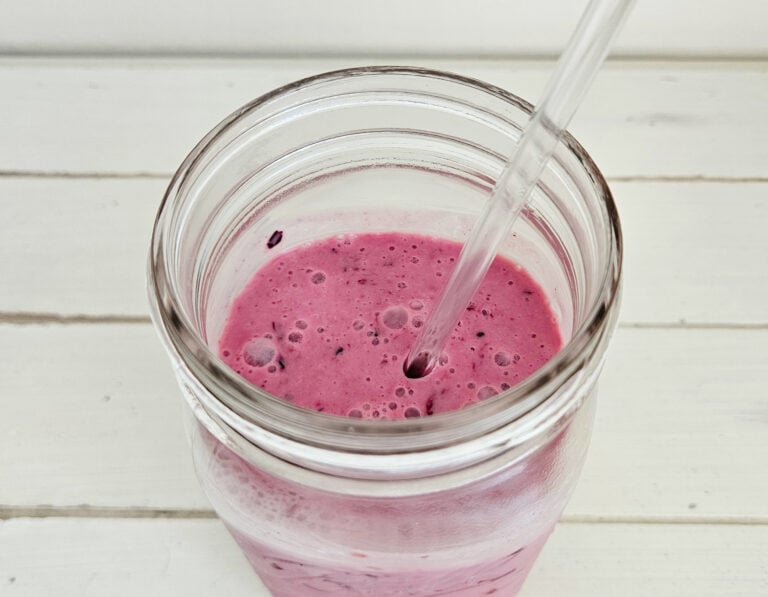
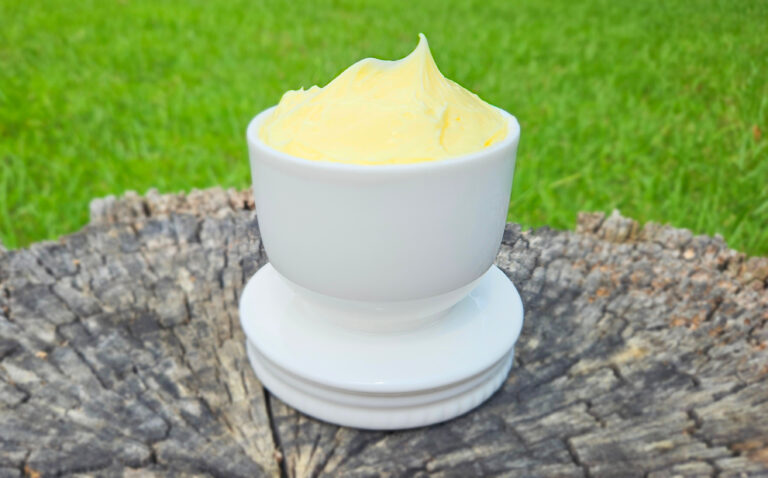
If you regularly have raw milk in your home, you not only know the health benefits you gain through its consumption, you also know the versatility of the recipes you can make with it. Some of my favorite raw milk recipes include raw milk kefir, homemade butter, and a light and refreshing strawberry banana kefir smoothie.
Another recipe we’ll be adding to the list is cream cheese. Follow along as I teach you how to make it at home, why you’ll want to make the switch away from store-bought cream cheese, and I’ll go over the cost-benefit analysis of doing so.
What is Cream Cheese?
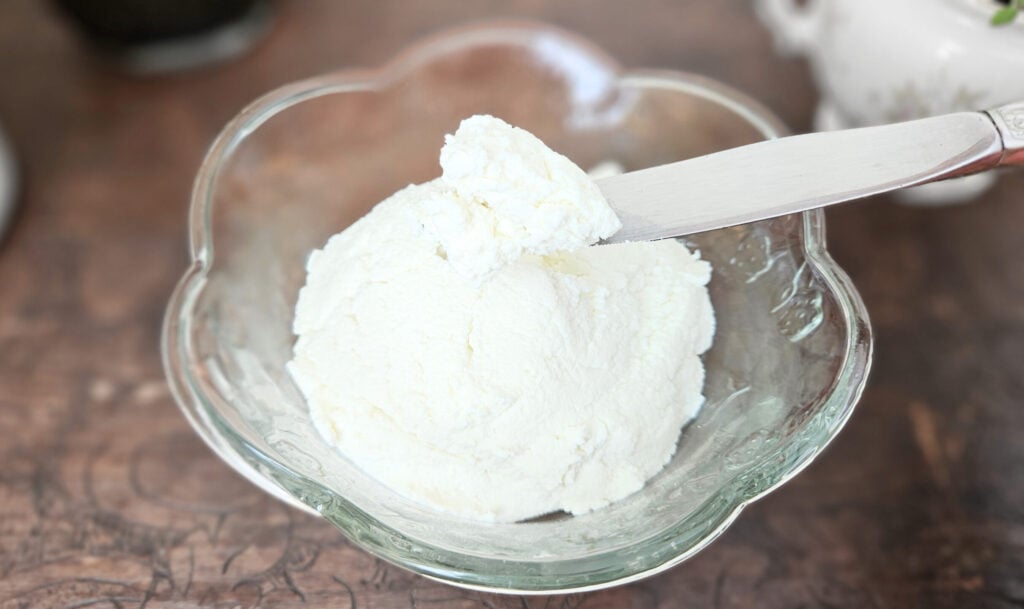
Cream cheese is a fresh, soft, spreadable cheese made from milk and cream. It is heated, curdled, and then strained to separate the curds from the whey. Those curds are then blended with a small amount of salt to create a smooth, mild-tasting cheese.
What is Curdling?

Curdling occurs when milk separates from one solid liquid into solid curds and liquid whey. This separation occurs because of the milk’s protein, casein, clumping together.
There are several factors that can cause milk to curdle such as heat, acid, bacteria, and enzymes.
Heat is a pretty straightforward method of curdling milk. You simply heat the milk until the separation naturally occurs. If you’re not careful, this can happen accidentally when cooking.
Acids, such as lemon juice, lime juice, or vinegar, lower the milk’s pH, which is the catalyst of the separation.
Bacteria, through the lacto-fermentation process, can also cause milk to curdle due to lactose being converted into lactic acid, thus lowering the pH and curdling the milk.
Finally, enzymes, such as rennet, are another means of separating the curds from the whey.
Why Make Cream Cheese at Home?
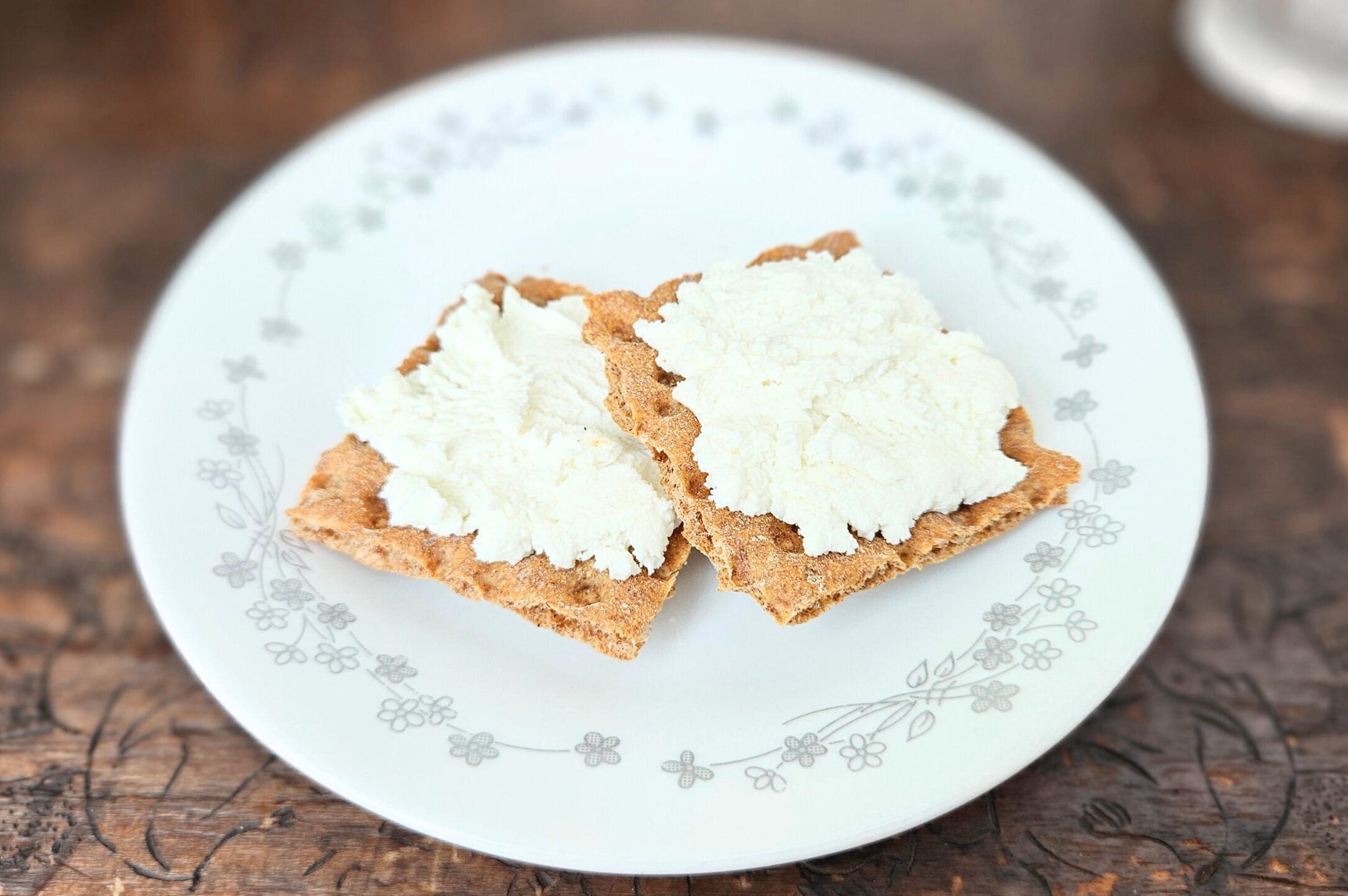
If you can buy organic cream cheese at the store, is it still worth it to make it at home? I would say… yes! Do I exclusively make cream cheese at home? No, I do not. As with most things, I usually do a mixture of homemade and store-bought.
However, these are some reasons why I would encourage anyone to at least give it a try making cream cheese at home.
Easy Process
It only takes 20 minutes and three ingredients to have cream cheese made from scratch in your kitchen.
Ingredient Control
Yes, you may be able to buy organic cream cheese at the store, but I would argue cream cheese made from raw milk is a completely different product. If you don’t know this yet, I am a huge fan of raw milk. I buy raw milk exclusively, and it is what I use in all my recipes that require milk or cream.
For more information on why I only buy raw milk, please see this post:
To find raw milk near you, please see here:
Superior Quality and Taste
Due to using raw milk from a local farm and not conventional milk from a commercial farm, homemade cream cheese is a far superior product compared to store-bought cream cheese.
When you use quality ingredients in your recipes, food tastes so much better! Whenever I make this cream cheese, it truly tastes real and fresh.
I think our taste buds have gotten used to processed food so much that we don’t notice how bad it is. However, once you eat real food made from real food ingredients, you instantly notice the taste difference. That is definitely true with this cream cheese.
No Food Additives or Preservatives
Just like I can understand why milk that comes from a commercial dairy is pasteurized, I can understand why cream cheese produced in a factory has food additives. Food additives and preservatives are designed to improve factors such as food safety, shelf-life, appearance, flavor, texture, and so on.
However, food additives and preservatives do come with drawbacks. Some potential reactions to additives and preservatives include, but are not limited to, gastrointestinal problems, allergic reactions, hormone problems, developmental problems, neurological problems, metabolic disorders, headaches, and increased appetite.
Ingredients vary widely depending on the brand you buy, but these are just some of the additives and preservatives that can be found in store-bought cream cheese:
If you cook from scratch at home and consume the food you make in a reasonable time frame, that completely eliminates the need for all of these extra ingredients. You can simply stick to real food ingredients and not worry about the other substances going into your body.
How to Make Cream Cheese
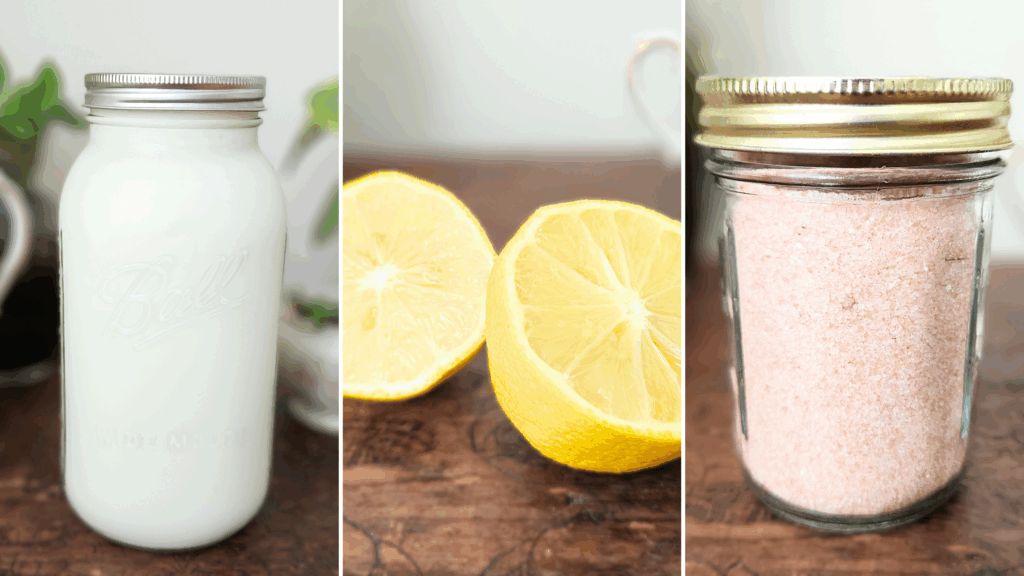
Making your own cream cheese truly doesn’t require any prior cheesemaking experience at all. It is super easy and produces a great tasting product.
Ingredients
*If you don’t have any lemons on hand, you can also use lime juice or vinegar.
Equipment
- 1 large pot
- Wooden spoon
- Fine mesh strainer
- Bowl
- Cheesecloth (optional)
- Immersion blender*
- 1 wide mouth quart size mason jar**
*I am partial to my immersion blender, so I use it for most recipes. However, instead of an immersion blender, you can also use a regular blender, food processor, a stand mixer, or a hand mixer.
**You only need the mason jar if you are using an immersion blender.
Instructions
Tap/click the images for a description of each step ⬇️
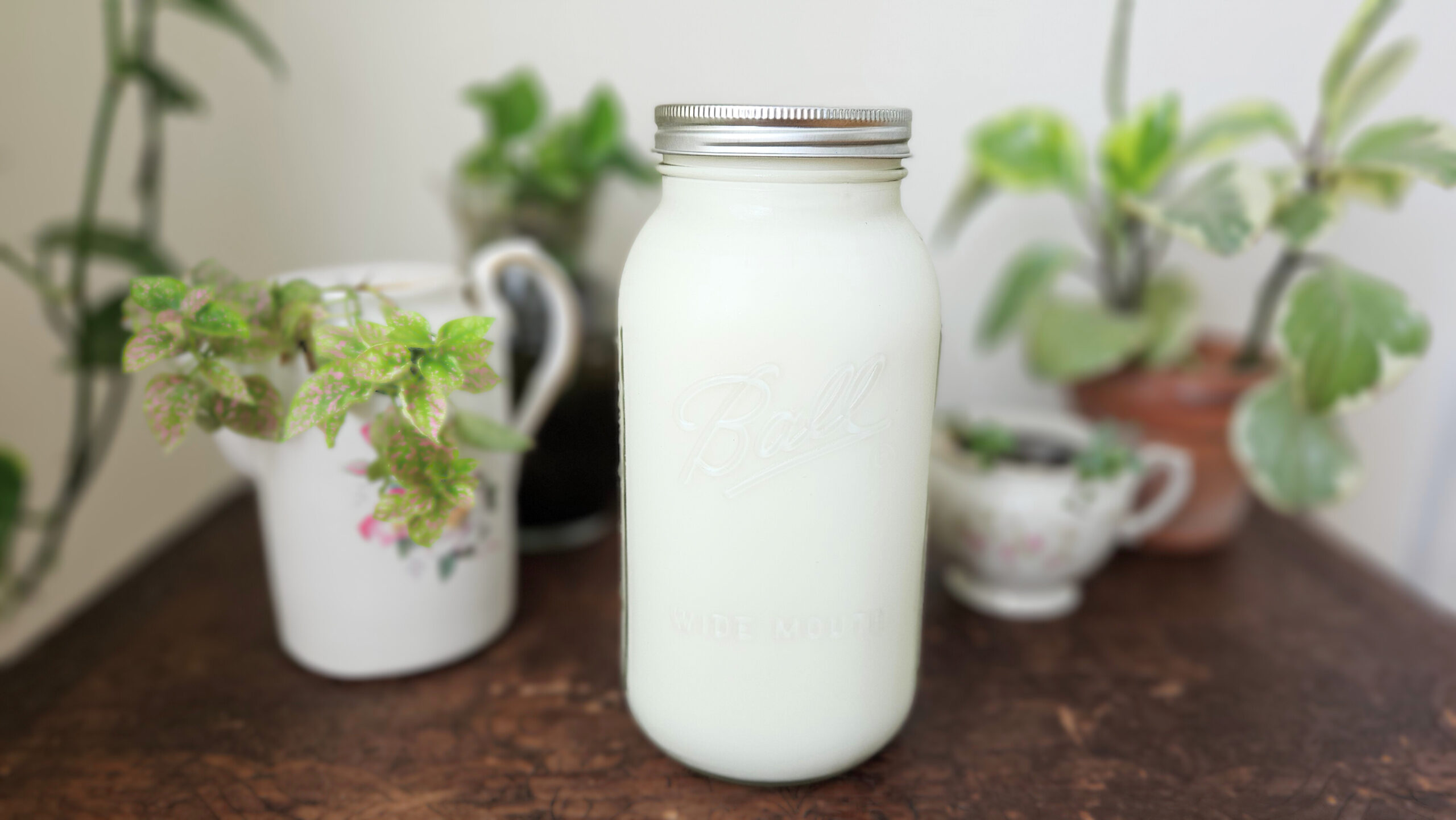
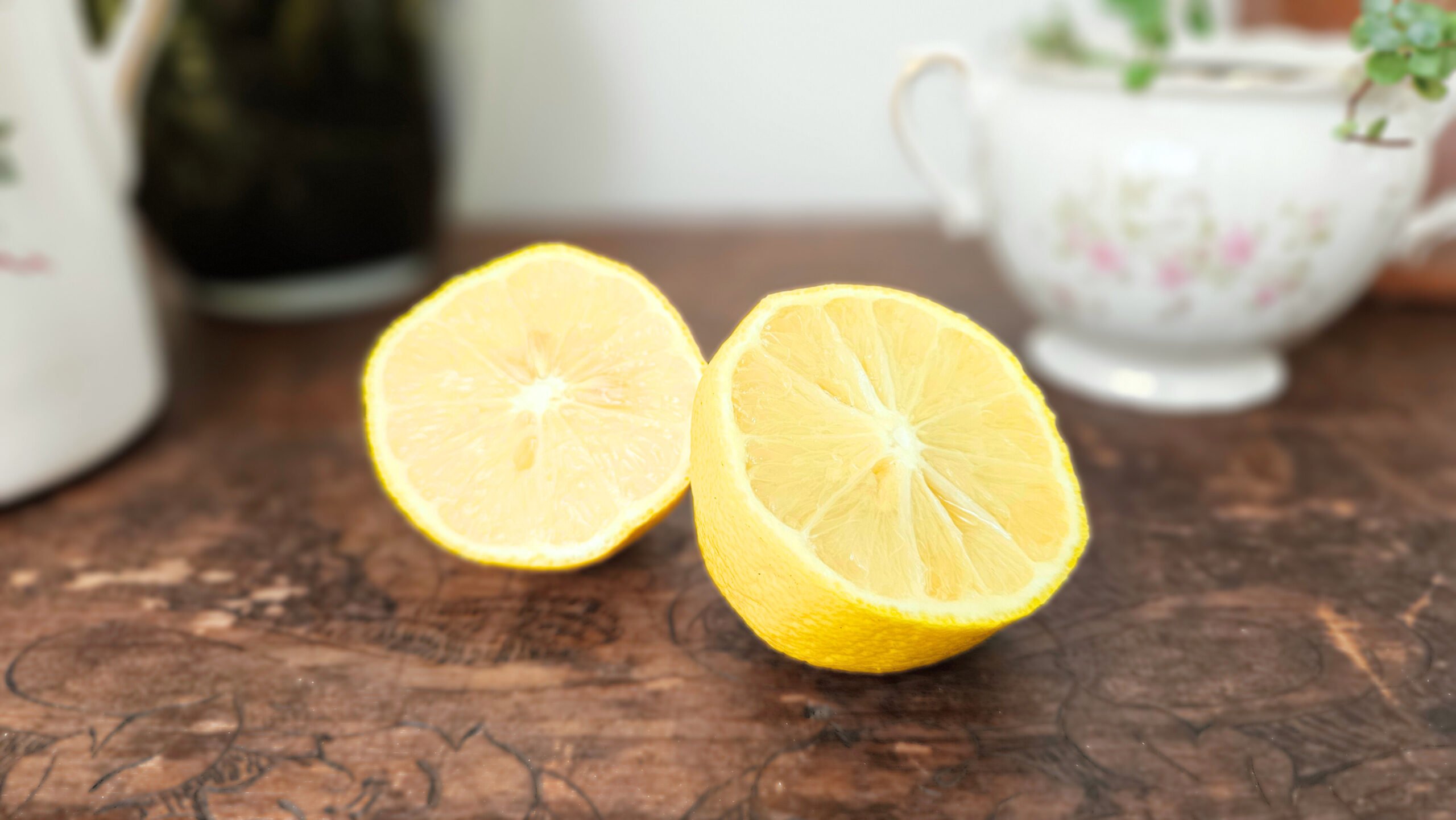
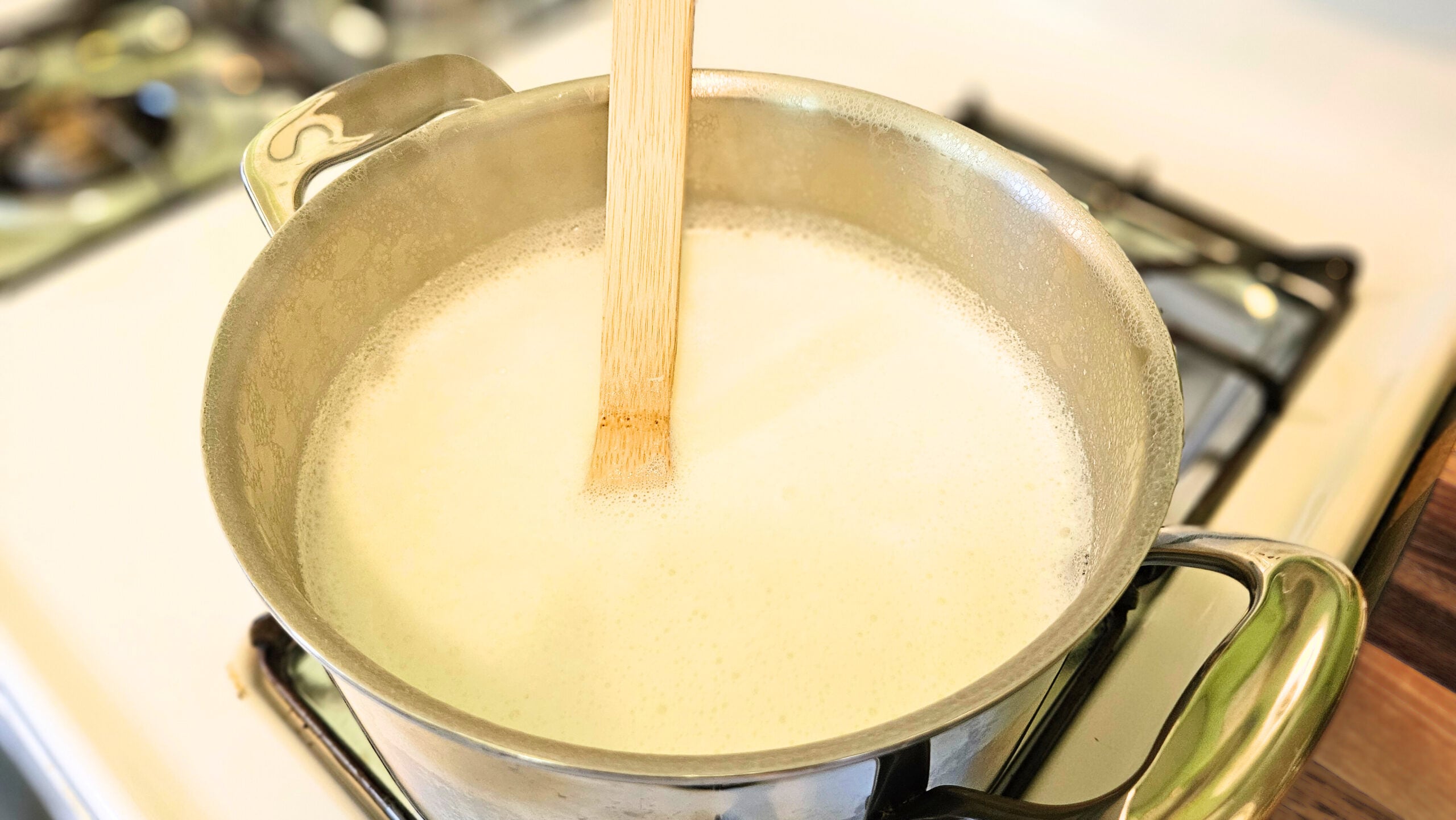
- Pour the raw milk in a large pot on the stovetop. Heat on med-high, stirring constantly until it reaches a simmer/slow boil.
- Reduce the heat and slowly add in the lemon juice.
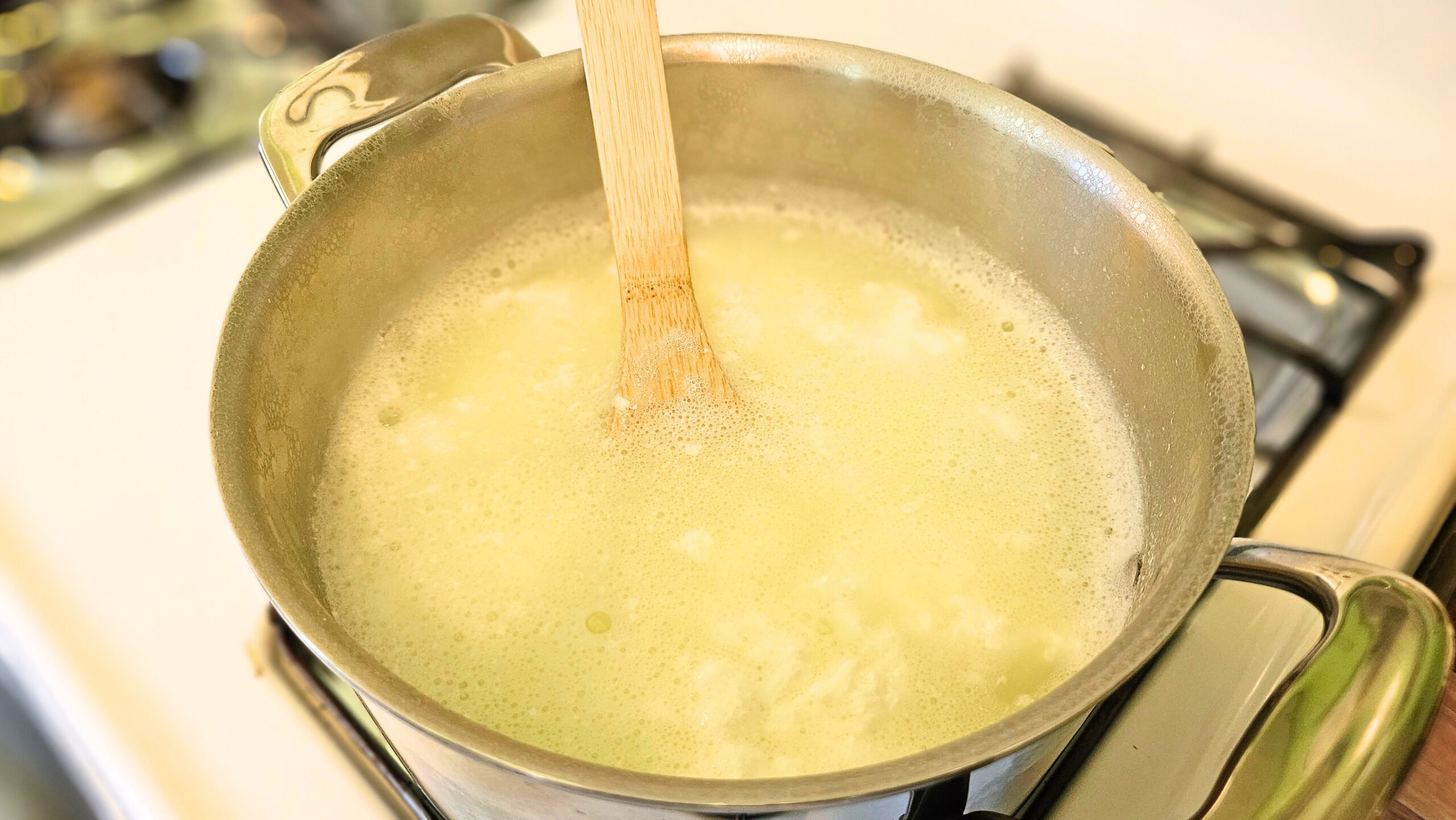
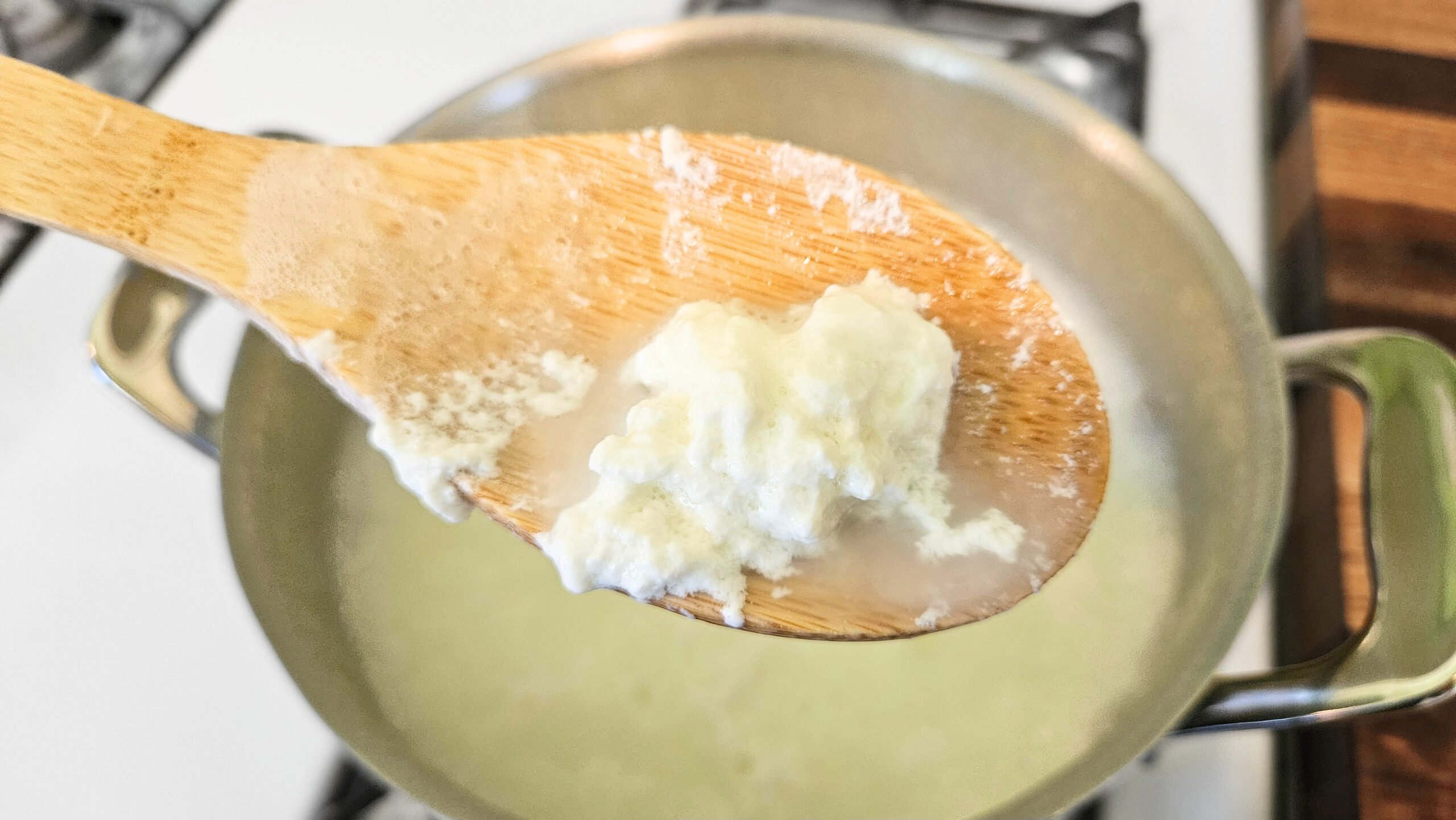
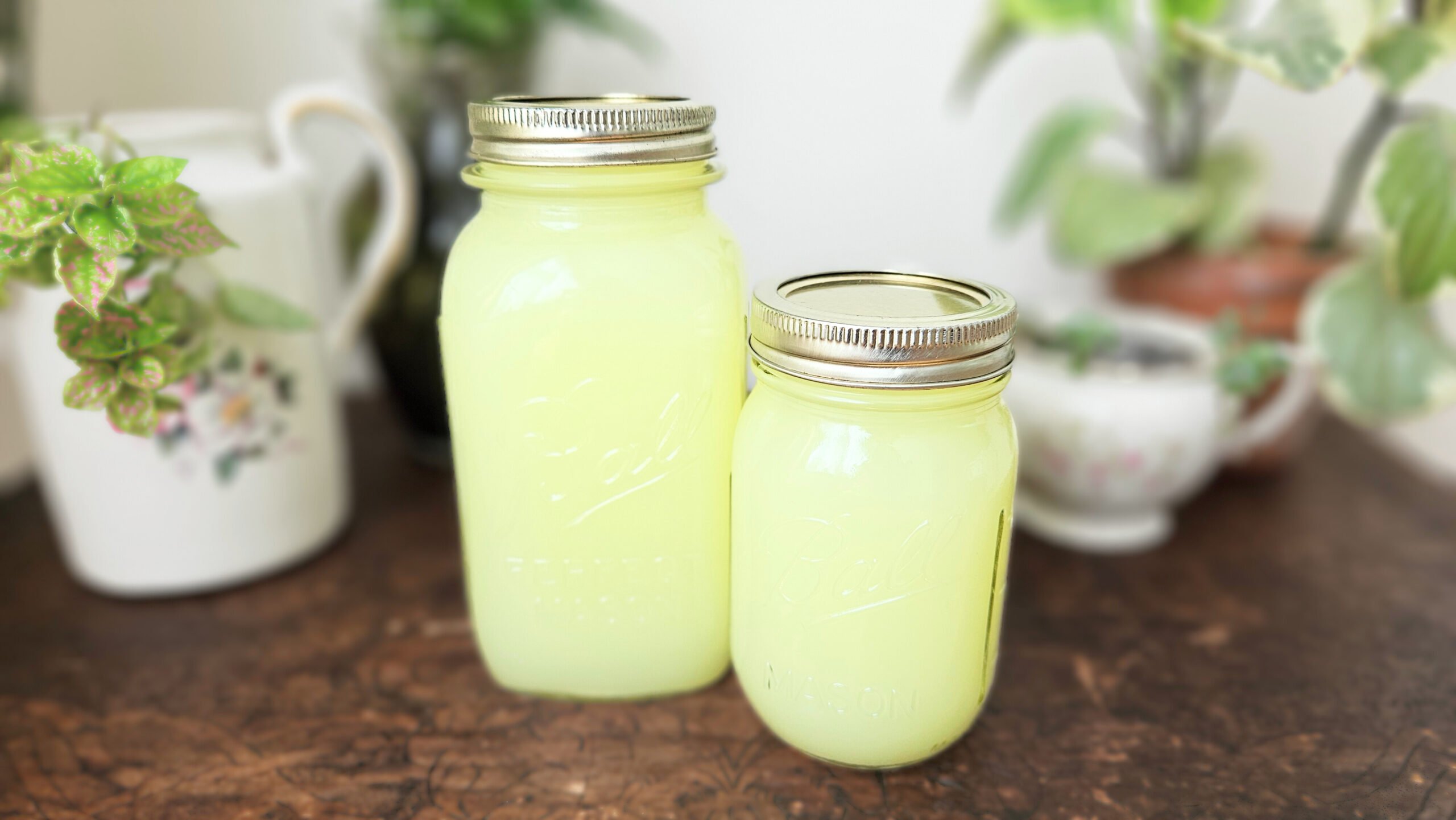
- Continue stirring until the raw milk fully separates into curds and whey. The curds will form white clumps and the whey will be a bright yellow color. It should only take a few minutes.
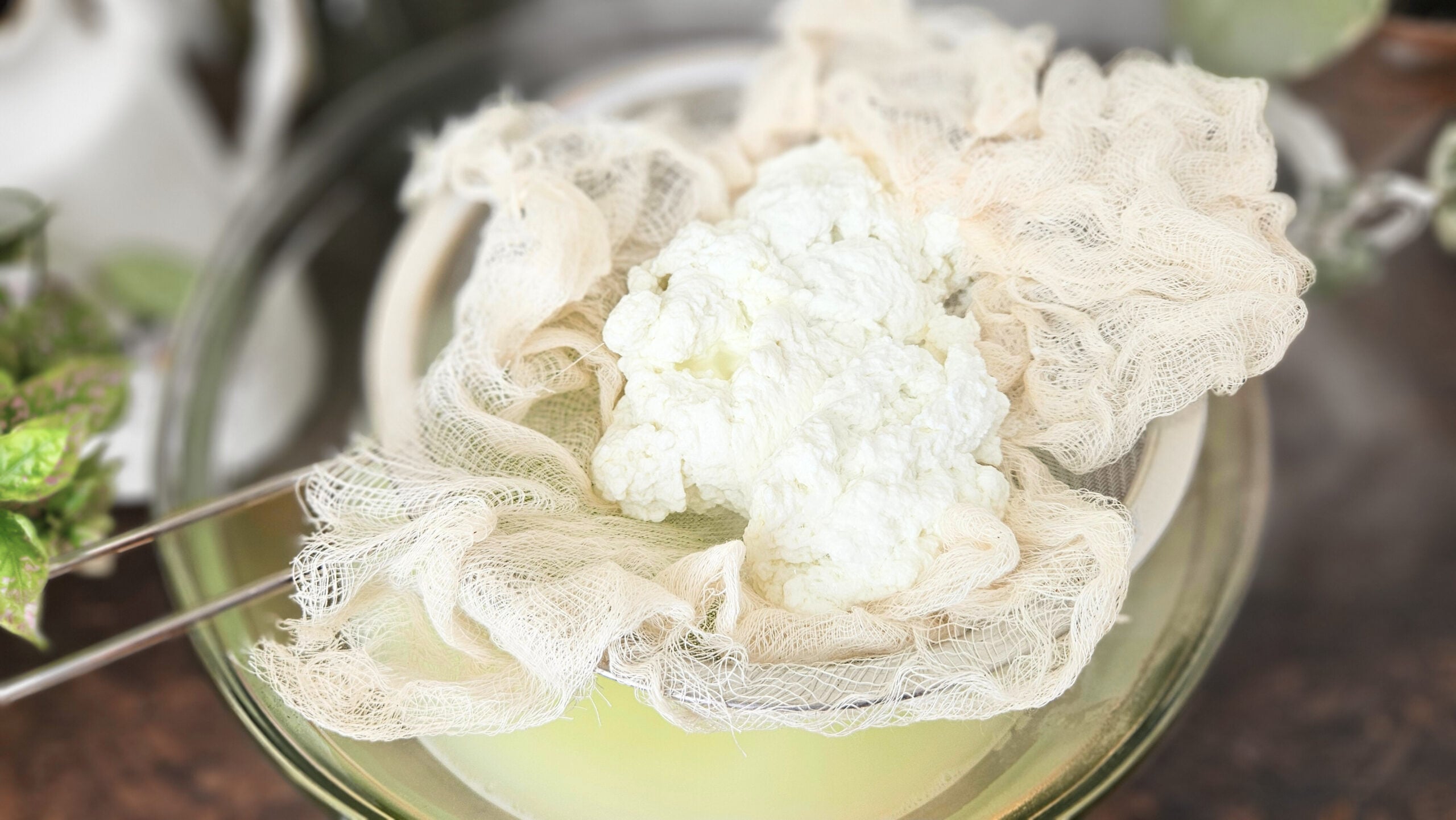
- Remove the pot from the stovetop and pour over a fine mesh strainer lined with cheesecloth and resting on a large bowl. This will allow the whey to strain from the curds. You can lift the cheesecloth up and squeeze out more whey if desired.
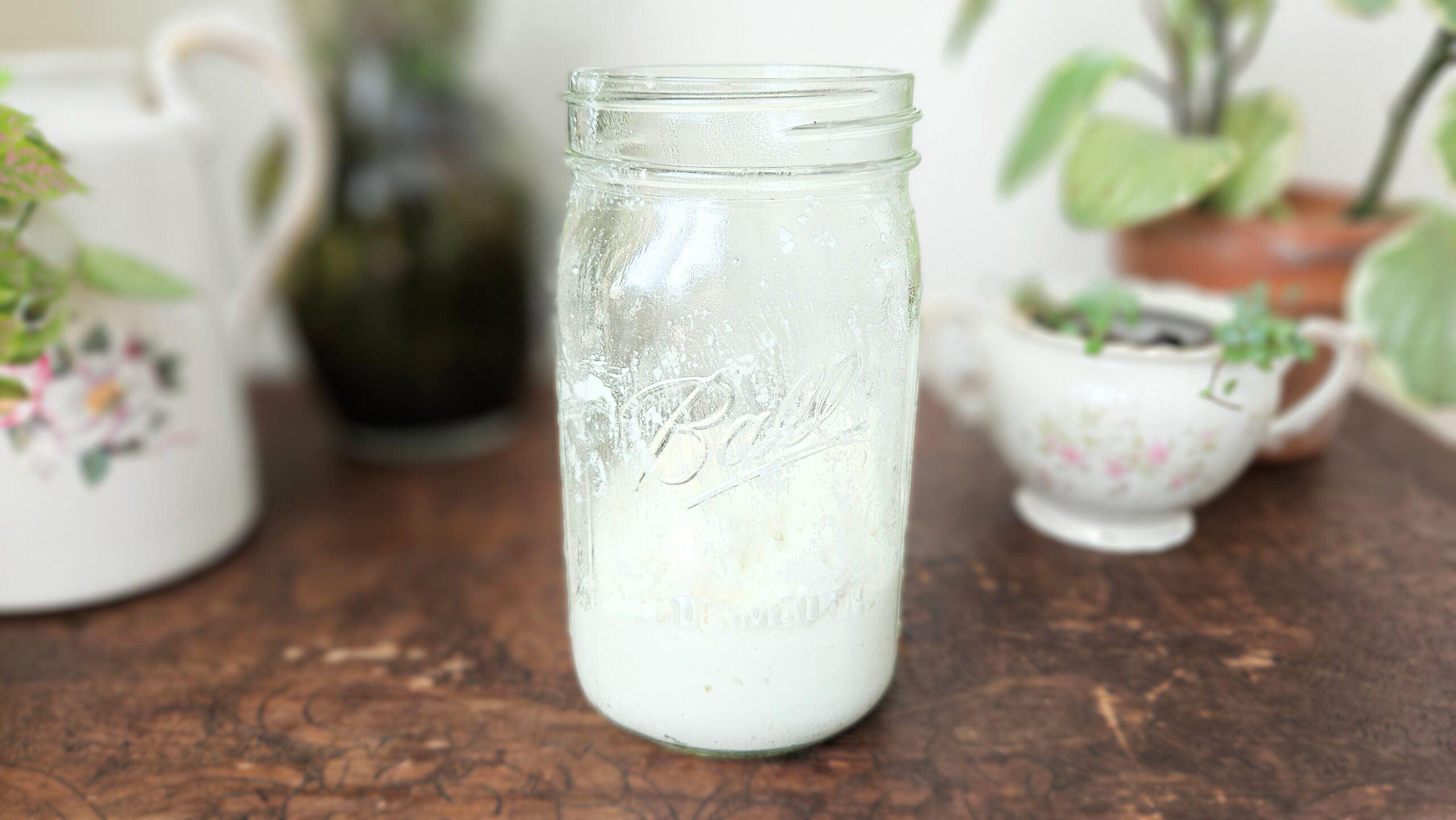
- Transfer the curds to a wide mouth mason jar and use an immersion blender to blend until smooth. Alternatively, you can also use a regular blender, food processor, a stand mixer, or a hand mixer.
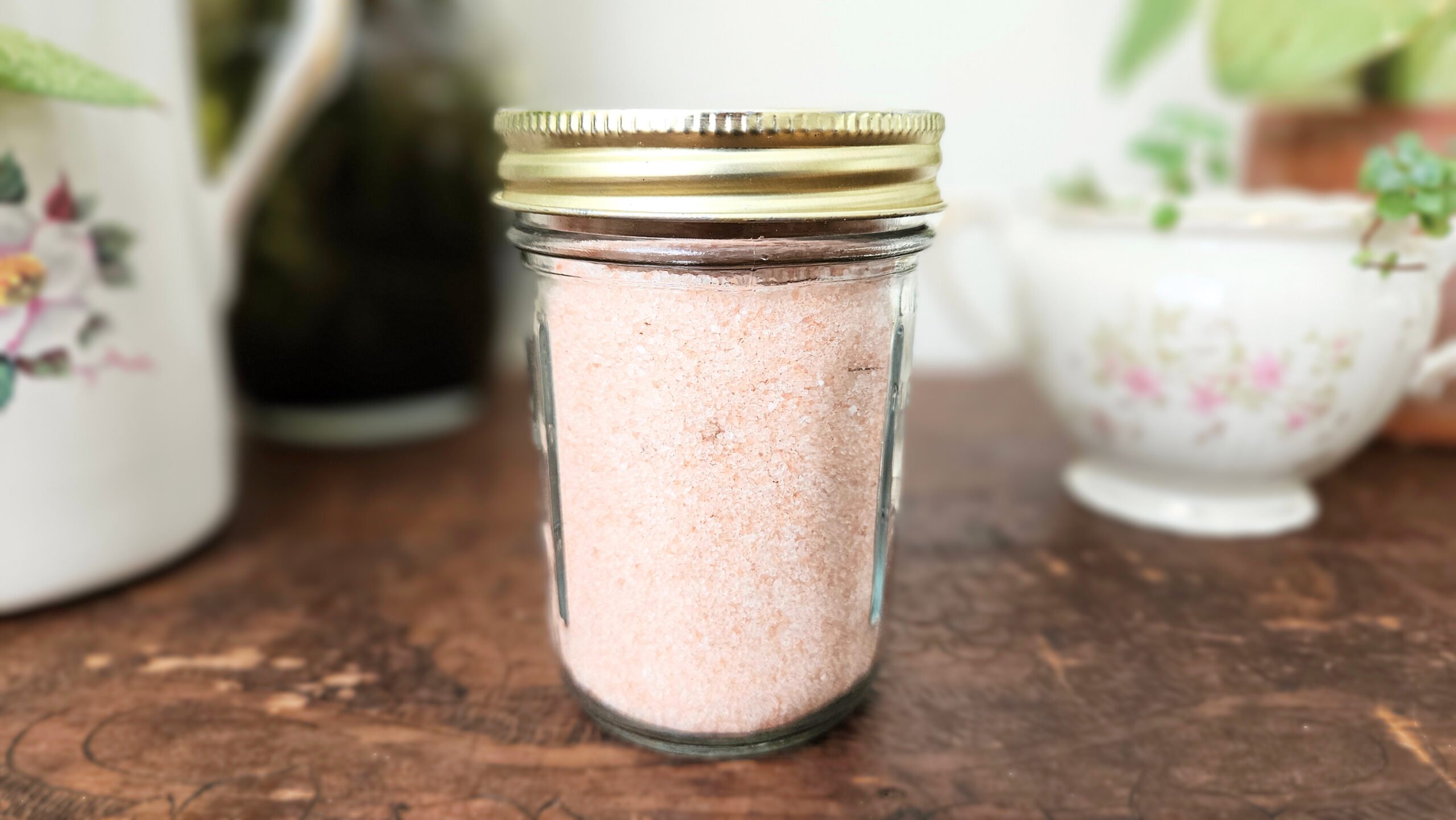
- Add in salt and any other seasonings or flavors you may like.
- Transfer to a sealed container and keep refrigerated. Best if used within a week.
Tips
- If you don’t like the texture as you are blending the curds, you can add back more whey.
- Don’t throw the whey away! There are plenty of uses for it (see here).
- This will not be the same texture as store-bought cream cheese. There are no emulsifiers or gums in this homemade cream cheese, so it will automatically be slightly different. However, it will still be creamy and spreadable.
- Don’t overheat the raw milk. Milk can easily scorch and overflow. Make sure your heat isn’t too high, you are constantly stirring, and you are monitoring the process.
- Lime juice and vinegar are suitable substitutes for lemon juice.
- The cheesecloth is optional. You can simply use the fine mesh strainer by itself if that’s all you have.
- Cream cheese can be kept plain or spruced up with various seasonings, herbs, and fruits.
Ways to Enjoy
- Bagels
- Toast
- Crackers
- Dip for veggies
- Cream cheese frosting
- Cheesecake
- Pinwheels
Cost-Benefit Analysis
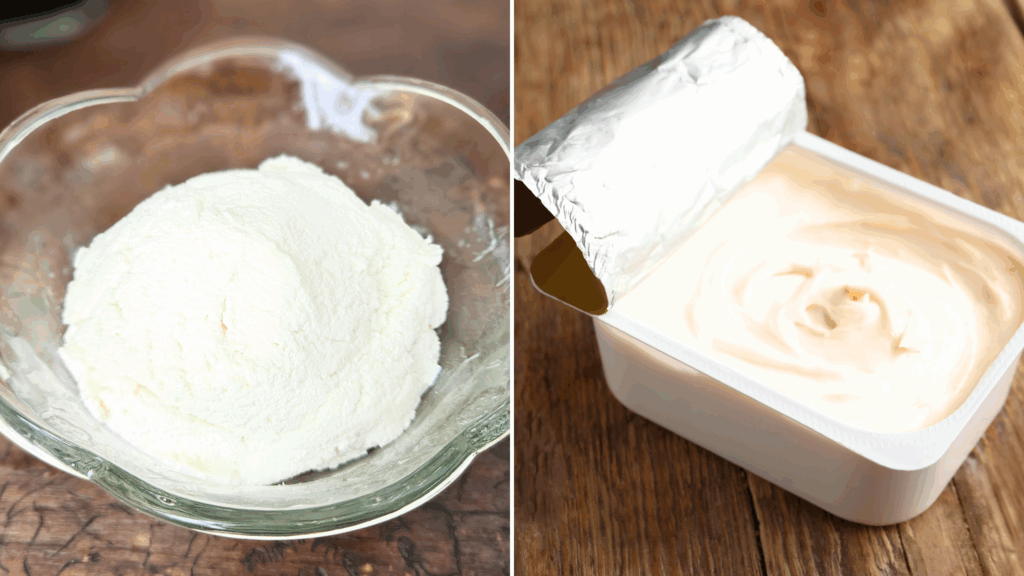
I always like to give an accurate representation of the cost-benefit analysis between making something at home vs. buying it from someone else who made it. In order to give an accurate analysis, you have to compare two products that are truly comparable to each other.
Therefore, for this cost-benefit analysis, I will be comparing the cost of my homemade version of cream cheese using raw milk, against purchasing raw milk cream cheese, not just organic store-bought cream cheese.
Here is the breakdown as of September 2025 in Tennessee:
Homemade Raw Milk Cream Cheese (+ Whey)
- 1 gallon of raw milk: $9.00
- ½ gallon needed for the recipe: $4.50
- 1 organic lemon: $0.99
- ½ tsp salt
- $12.49 for a 2.5lb bag = approx. 230 tsp
- $0.05/tsp
- $0.03 for ½ tsp
Total: $5.52
- Yields: 1 C (8oz) cream cheese & 6 ¼ C whey
Purchased Raw Cream Cheese
I had a very hard time finding raw cream cheese. I wasn’t able to find it locally, but I finally found a vendor online that ships across the United States.
Price: $6.50
- 8oz raw cream cheese
I thought it was a very reasonable price, especially when you are paying someone else to do the work in making it. However, there is an order minimum of $100.00 if you live on the East Coast/Central and a $135.00 minimum if you live on the West Coast.
This vendor sells many products such as meat, fish, butter, tallow, cheese, etc. If you wanted to order in bulk and stock up on these items, that would be a wonderful idea. However, cream cheese isn’t something you usually stock up on. If you wanted to buy raw fresh cream cheese regularly, this option would be a little unrealistic.
With that being said, I am not speaking negatively against this vendor at all. Just stating it isn’t that realistic if you only want cream cheese. If you are interested in looking into this vendor though, here is the link:
In summary, due to the reduction in availability, lower cost, and greater product quantity (the 6 ¼ C whey can be saved and used for other food preparations) I think it financially makes more sense to make my own cream cheese at home.
To see some ways you can use the whey that is made through this cheesemaking process, please see this post:
FAQs
Related Posts
I hope you enjoy venturing out and trying something new in the kitchen with this homemade cream cheese recipe! 😋

Homemade Cream Cheese
Equipment
- 1 large pot
- 1 wooden spoon
- 1 bowl
- Cheesecloth (optional)
- immersion blender (Alternatively: regular blender, food processor, stand mixer, or hand mixer.)
- 1 wide mouth quart size mason jar
Ingredients
- 8 cups raw milk (half-gallon)
- 6 tbsp lemon juice (approx. 1 whole lemon squeezed)
- ½ tsp salt
Instructions
- Pour the raw milk in a large pot on the stovetop. Heat on med-high, stirring constantly until it reaches a simmer/slow boil.
- Reduce the heat and slowly add in the lemon juice.
- Continue stirring until the raw milk fully separates into curds and whey. The curds will form white clumps and the whey will be a bright yellow color. It should only take a few minutes.
- Remove the pot from the stovetop and pour over a fine mesh strainer lined with cheesecloth and resting on a large bowl. This will allow the whey to strain from the curds. You can lift the cheesecloth up and squeeze out more whey if desired.
- Transfer the curds to a wide mouth mason jar and use an immersion blender to blend until smooth. Alternatively, you can also use a regular blender, food processor, a stand mixer, or a hand mixer
- Add in salt and any other seasonings or flavors you may like.
- Transfer to a sealed container and keep refrigerated. Best if used within a week.
Notes
- If you don’t like the texture as you are blending the curds, you can add back more whey.
- Don’t throw the whey away! There are plenty of uses for it (see here).
- This will not be the same texture as store-bought cream cheese. There are no emulsifiers or gums in this homemade cream cheese, so it will automatically be slightly different. However, it will still be creamy and spreadable.
- Don’t overheat the raw milk. Milk can easily scorch and overflow. Make sure your heat isn’t too high, you are constantly stirring, and you are monitoring the process.
- Lime juice and vinegar are suitable substitutes for lemon juice.
- The cheesecloth is optional. You can simply use the fine mesh strainer by itself if that’s all you have.
- Cream cheese can be kept plain or spruced up with various seasonings, herbs, and fruits.
This is a personal blog. All posts, recipes, recommendations, and how-tos are for informational use and personal viewing pleasure only. Blog posts are not written by AI.



subscribe