



Homemade Streak-Free Glass and Window Cleaner (2 Ingredients)
Want to see your reflection without water spots and weird hazy smudges? This money-saving glass and window cleaner is for you 😉.

This post may contain affiliate links. Please see our site disclosure for more information.
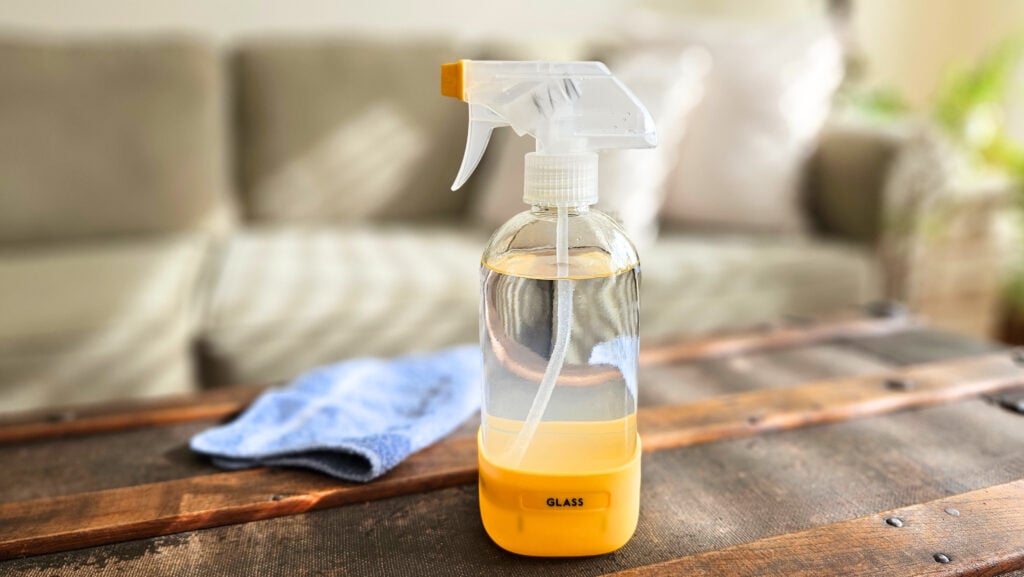
I love having a clean and orderly home. I love when everything is in its place, there is no dust to make me sneeze, I can walk barefoot on my clean floors, and everything shines with the glow of being freshly wiped down.
For a long time I used my all-purpose cleaner with vinegar for practically every cleaning task in my home. I was so happy to have a homemade cleaning product that was so versatile, inexpensive, and non-toxic, so I went to town with it.
My homemade all-purpose cleaner with vinegar does a good job at cleaning glass and windows. However, I would say it leaves a mostly streak-free finish. Having a streak-free finish for glass and windows does involve technique, but the product you are working with matters too.
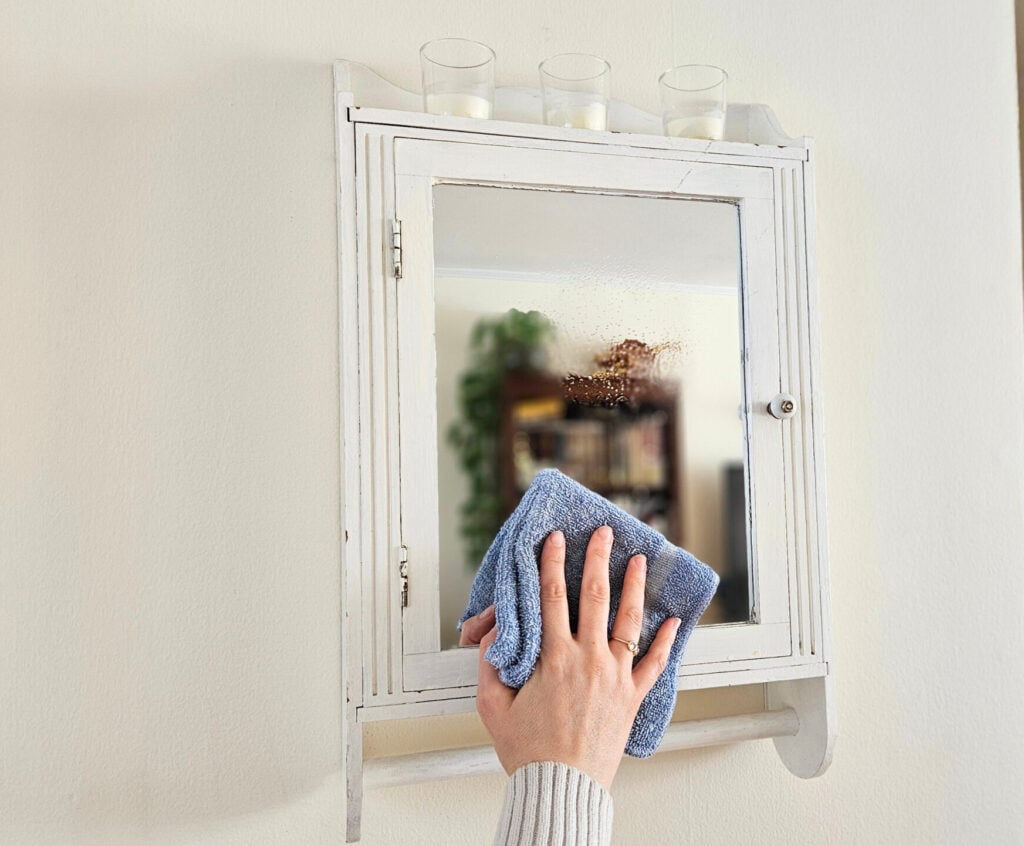
To achieve a truly streak-free finish, I have begun using this homemade streak-free glass and window cleaner. Since making this switch, I can notice an obvious difference in how clean my mirrors and windows are throughout my house.
Follow along and I’ll show you why I make my own homemade glass and window cleaner, the negative consequences of using Windex, and the cost-benefit analysis of making this glass and window cleaner yourself vs. buying a similar product from a manufacturer.
Why Make Your Own Glass and Mirror Cleaner?

Making a homemade glass and mirror cleaner may seem like an unnecessary use of time or an extra item on your to-do list. However, it really is very quick and simple to make. Additionally, there are many benefits to making this DIY cleaner yourself.
Just like with any of my homemade cleaning products, the two biggest benefits I receive from making my homemade glass and mirror cleaner are: avoidance of chemicals that I do not want in my home or in my body, and the financial savings of making something from scratch from basic ingredients.
Besides these two main benefits that I am grateful for, there are additional benefits as well.
Non-Toxic
Non-toxic cleaning is something I have been passionate about since striving to live a healthy lifestyle. Eating an organic whole-food diet was one of the first healthy practices I adopted, followed closely behind with avoidance of chemicals with known and/or suspected negative effects.
DIY cleaners allow me to be fully in control of what I come in contact with and what I avoid.
Financial Savings
Besides the fact that many manufactured cleaning products have harmful chemicals in them, it blows my mind that people willingly hand over hard-earned money for a product that isn’t designed with their well-being in mind. Call me crazy, but I’d rather not spend my money that way 🫣.
Homemade cleaning products, like this glass and window cleaner, offer great savings opportunities.
I love that natural cleaning products are becoming more widely available for purchase, but I have found the DIY version to be less expensive in almost every instance so far.
For a full breakdown on the cost-benefit analysis of this glass and window cleaner, please see below:
Quick and Simple
The only homemade cleaning product of mine that I think takes a little bit more time to make is my powder laundry detergent recipe. With that recipe, you have to spend about 5-10 minutes grating bars of castile soap. Other than that though, you simply measure and pour.
Besides that recipe, most of my recipes are for cleaning spray solutions, and this glass and window cleaner is no different. Simply pour a couple of ingredients in a spray bottle and you are ready to go.
My favorite spray bottle:
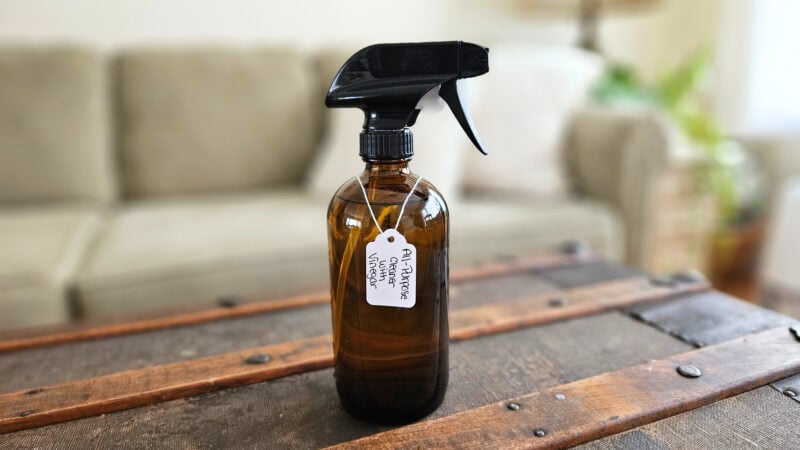
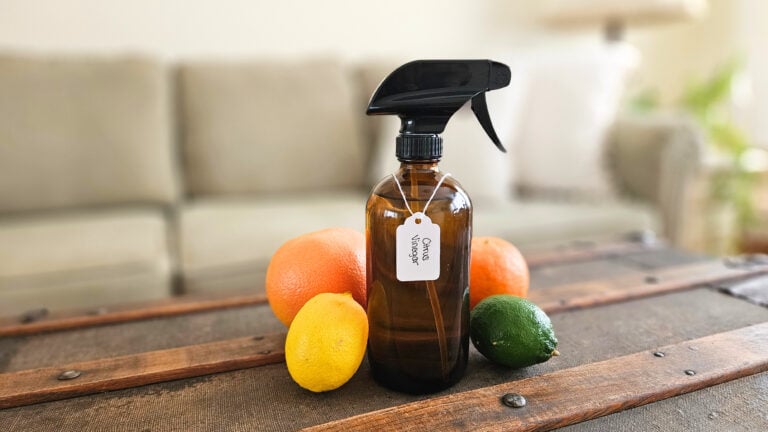
Amber Glass Spray Bottles
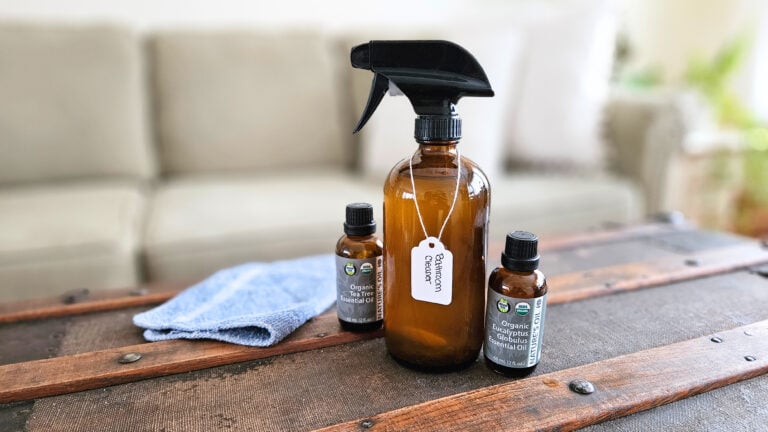
Glass spray bottles are a must-have for anyone who makes their own homemade cleaning products. You’ll definitely want to use glass over plastic, so that plastic doesn’t leech into your cleaning solutions over time. Also, the amber glass is great for anyone who uses essential oils as a means to protect your essentials from degradation over time. These bottles are well-made, meaning you won’t have to keep buying them!
Customizable
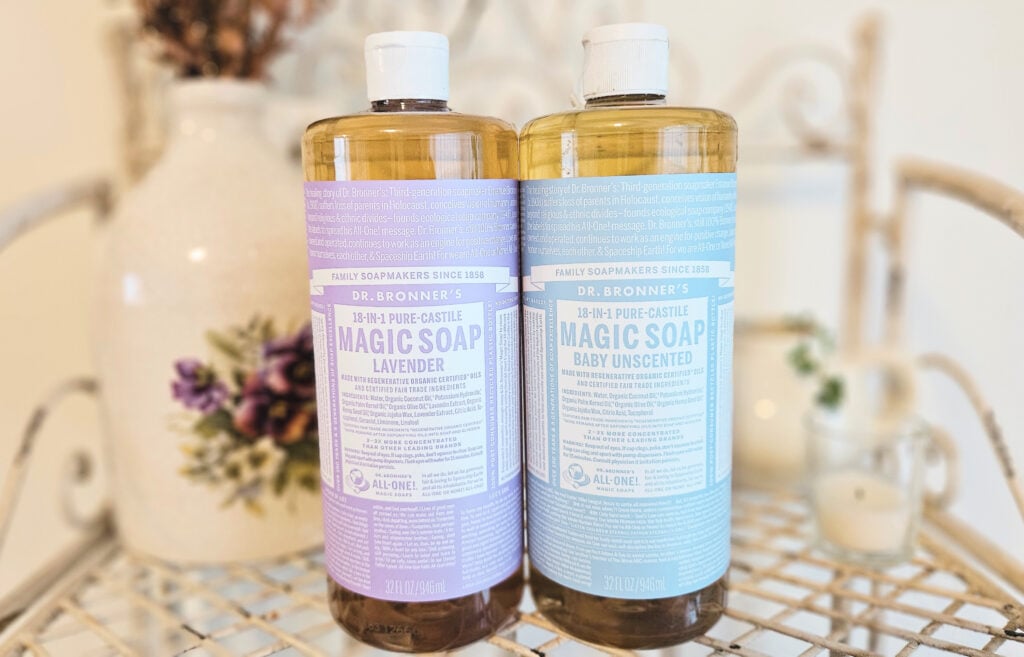
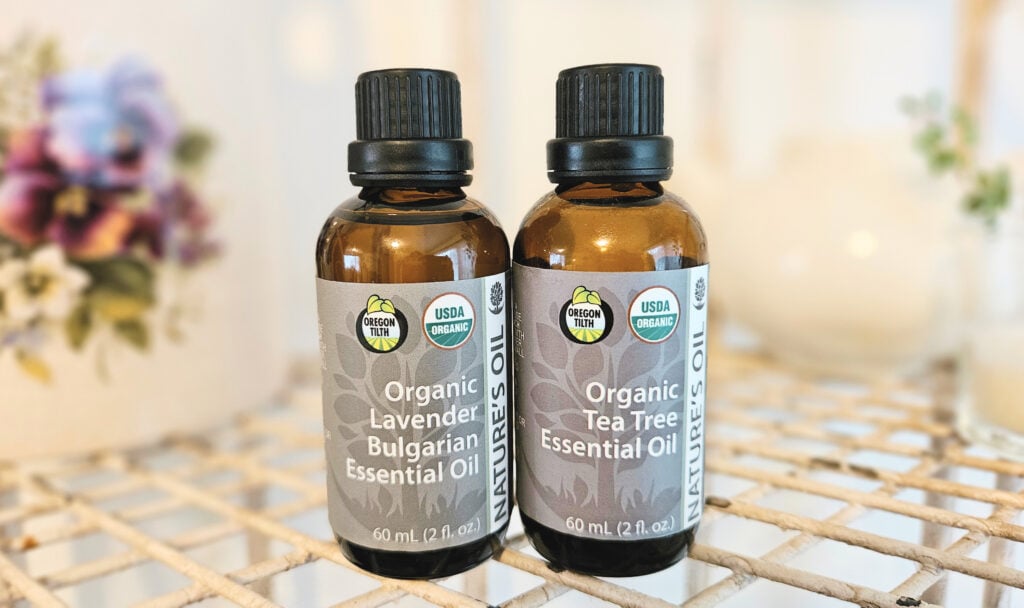
Similar to my other natural cleaning products, this glass and window cleaner can be made a few different ways. You can either keep it as basic as possible with just rubbing alcohol and water, or you can add a tiny bit of liquid castile soap. If you want some natural fragrance and a little boost in cleaning power, you can even add a few drops of essential oils.
Totally up to you according to the type of cleaning you are doing and whether you like products to be scented or unscented.
Easily Sourced Ingredients
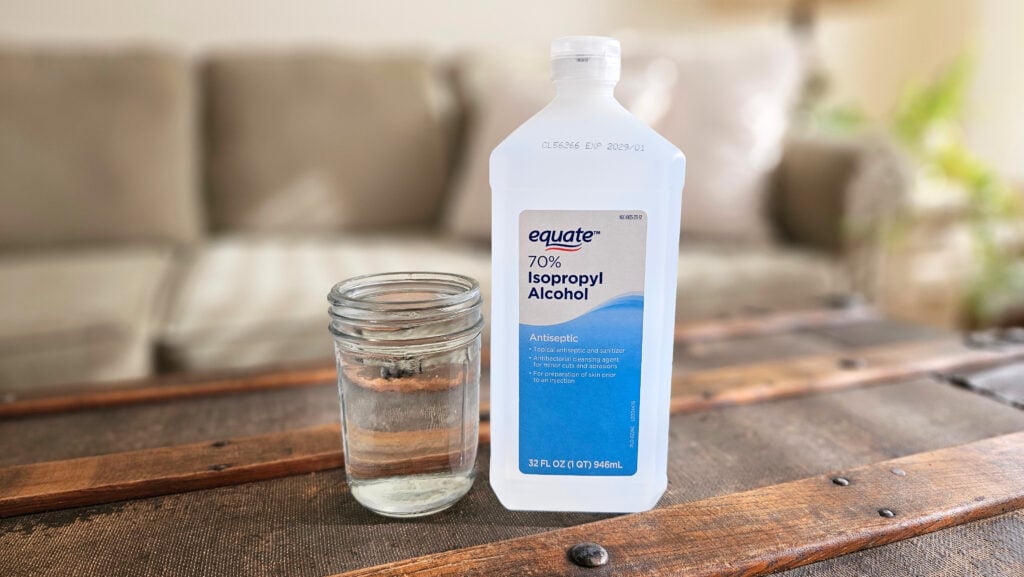
If you make the basic 2-ingredient version of this glass and window cleaner, you simply combine water and rubbing alcohol in a spray bottle, and that’s it. Rubbing alcohol is very easy to come across, it can be found in practically every drug store.
If you decide to add castile soap, it isn’t as accessible as rubbing alcohol, but still very easy to find in stores like Walmart.
Essential oils may be the one ingredient that you have to order online, depending on where you live and what your local stores have to offer. However, since essential oils are completely optional, there’s no need to worry if you don’t have any.
If you do want to add a few drops of essential oil, please see here for the benefits of specific essential oils:
Why I Stopped Using Windex
Windex is arguably the most well-known glass and window cleaner. It has been around for years and most people like the results that it produces. I know I used to use it constantly. You can read more about that here 🤫.
When I was swapping out my previous cleaning products, and using natural versions instead, I didn’t want to compromise on having a clean home. I didn’t want my home to smell bad, I didn’t want my home to have stains, and I didn’t want my home to have sticky smears that refused to leave.
I also didn’t want my home to have streaky mirrors and windows. Even though Windex got the job done, I was concerned about some of the ingredients.
The Environmental Working Group has published a helpful list of ingredients in Windex, and the potential harmful side effects that can be experienced. Here is a snapshot of what they have compiled:
Who knew it took so many obscure ingredients to clean your windows and mirrors 🤷♀️? Also, *kind of* concerning there is only one ingredient with an “A” score, which is water. I guess we’ll save the discussion on chemicals present in tap water for another day 😵💫😅 (I use ProOne filters for our household water.)
To read more about these ingredients, and how the EWG scores ingredients, please see here:
How to Make a Streak-Free Glass and Window Cleaner

You’re just *2* ingredients away from your own homemade glass and window cleaner. No need to read ingredients labels anymore! 🙌
Ingredients

- 1 cup water
- 1 cup isopropyl alcohol (rubbing alcohol)
- 1 tsp liquid castile soap (optional)
- 5-10 drops essential oils (optional)
Equipment

- 1 16oz glass spray bottle
- 1 funnel
Instructions
Tap/click the images for a description of each step ⬇️
Step #1: Remove the spray nozzle from your glass spray bottle and replace it with a funnel for easy, mess-free pouring.
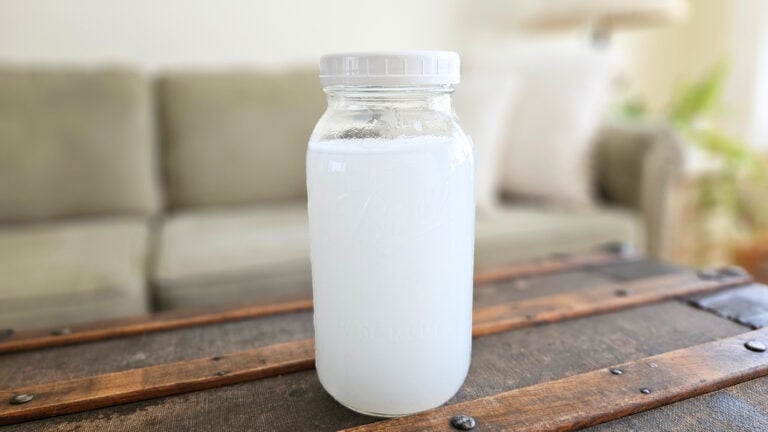
Step #2: Add 1 cup of water and 1 cup of rubbing alcohol to your spray bottle.
Step #3: Add optional castile soap and essential oils if desired. See tips below for explanations on these two ingredients.
Step #4: Replace your spray nozzle and begin cleaning!
Tips
- A basic 1:1 ratio of water and rubbing alcohol produces the most streak-free finish. I sometimes add castile soap if I am cleaning the exterior side of my windows and they are extra grimy. They will still look excellent if I add castile soap, but sometimes I have to try a little harder in my wiping technique to ensure not even a hint of a streak is left behind (I know, I’m picky).
- Essential oils are good antimicrobials and they offer a natural fragrance. I usually don’t add any to this recipe, but if you do, try not to add too much in order to ensure a streak-free finish.
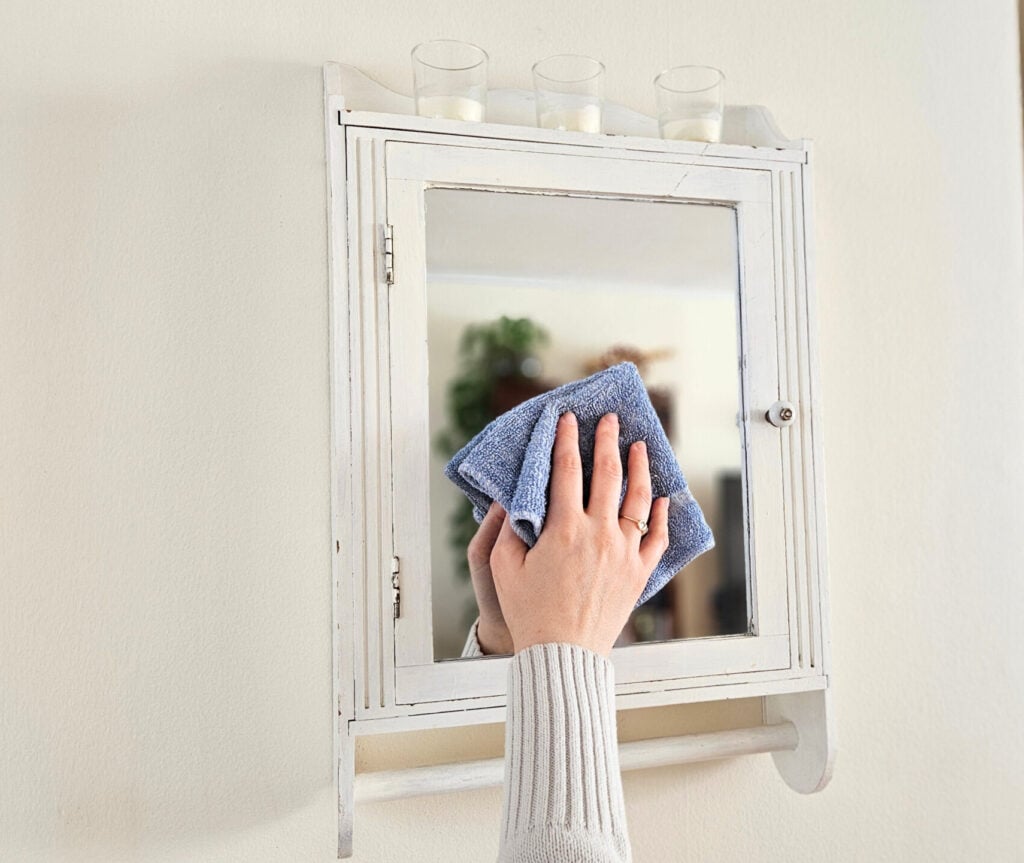
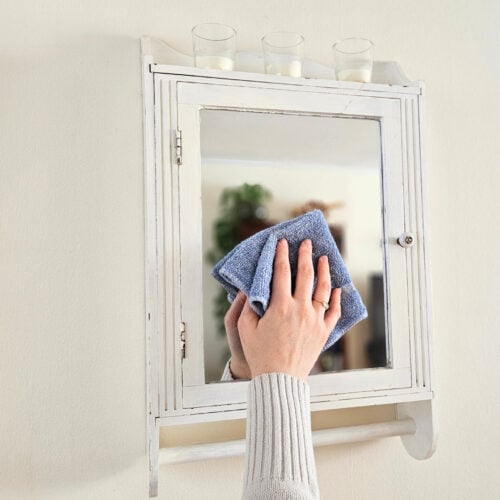
- Wiping technique helps with having a streak-free finish! It is best to use a microfiber cloth, or any lint-free cloth, and wipe back and forth from top to bottom. I wipe until the glass and window cleaner is fully evaporated.
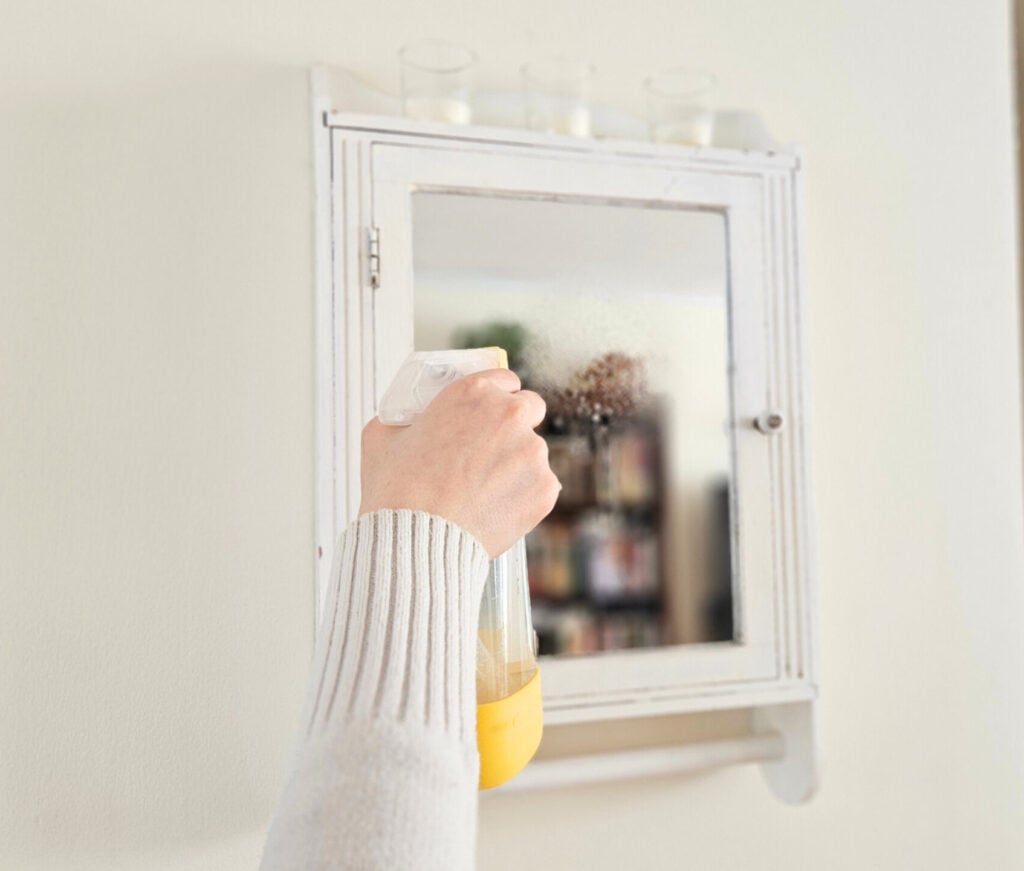
- A lot of people say to spray the cloth and not the mirror and/or window. However, I don’t follow this rule. I just spray whatever I’m cleaning and wipe until the product is gone. It turns out fine every time.
- Some people recommend using distilled water so that no mineral residue gets left behind. My water isn’t particularly hard, so I don’t go that extra step.
- While I usually use amber glass spray bottles instead of clear, if you don’t add any essential oils to this recipe, clear glass is totally fine.
Ways to Use
Cost-Benefit Analysis

For this cost-benefit analysis, I will be comparing my homemade streak-free glass and window cleaner with a brand new (to me) glass cleaner I recently came across. There are other glass and window cleaners less expensive than this one, but it is closest in ingredients to my homemade cleaner.
As of February 2026 in Tennessee:
Homemade Streak-Free Glass and Window Cleaner
1 cup water
- FREE
1 cup isopropyl alcohol (rubbing alcohol)
- Equate 70% Isopropyl Alcohol Antiseptic
- 32 fl oz. = $2.98
- 32 fl oz = 4 cups
- 4 cups % ½ cup = 8
- $2.98 % 8 = $0.37 per bottle
Total per 16oz glass spray bottle: $0.37
- 1 32oz bottle of isopropyl alcohol yields 8 bottles of glass and window cleaner
OIAIO Non-Toxic Glass Cleaner (find here)
- 24oz = $16.45
- $0.69 per fl oz
- 16oz x $0.69 = $11.04
Total per 16oz solution: $11.04
- Yield 1 bottle
Now, this is obviously a steep price difference. So, if your main concern is finances, the homemade glass and window cleaner is your route. However, I don’t want to put down this OIAIO Non-Toxic Glass Cleaner at all. It has excellent ingredients, it is organic, it is naturally scented with essential oils, it is handcrafted and made in the USA, and the bottle it comes in is BPA-free.
Life is a balance. In homemaking, you are always deciding between making something from scratch vs. buying it already made. The choice is yours!
FAQs
Related Posts
Cheers to seeing yourself in the mirror again! 🥳
Streak-Free Glass and Window Cleaner
Equipment
- 1 16oz glass spray bottle
- 1 funnel
Ingredients
- 1 cup water
- 1 cup isopropyl alcohol (rubbing alcohol)
- 1 tsp liquid castile soap (optional)
- 5-10 drops essential oil (optional)
Instructions
- Using a funnel, pour 1 cup of water and 1 cup of isopropyl alcohol into a glass spray bottle.
- Add optional liquid castile soap and/or essential oils.
- Shake and spray! Be sure to follow the tips below for a streak-free finish.
Notes
- A basic 1:1 ratio of water and rubbing alcohol produces the most streak-free finish. I sometimes add castile soap if I am cleaning the exterior side of my windows and they are extra grimy. They will still look excellent if I add castile soap, but sometimes I have to try a little harder in my wiping technique to ensure not even a hint of a streak is left behind (I know, I’m picky).
- Essential oils are good antimicrobials and they offer a natural fragrance. I usually don’t add any to this recipe, but if you do, try not to add too much in order to ensure a streak-free finish.
- Wiping technique helps with having a streak-free finish! It is best to use a microfiber cloth, or any lint-free cloth, and wipe back and forth from top to bottom. I wipe until the glass and window cleaner is fully evaporated.
- A lot of people say to spray the cloth and not the mirror and/or window. However, I don’t follow this rule. I just spray whatever I’m cleaning and wipe until the product is gone. It turns out fine every time.
- Some people recommend using distilled water so that no mineral residue gets left behind. My water isn’t particularly hard, so I don’t go that extra step.
- While I usually use amber glass spray bottles instead of clear, if you don’t add any essential oils to this recipe, clear glass is totally fine.
This is a personal blog. All posts, recipes, recommendations, and how-tos are for informational use and personal viewing pleasure only. Blog posts are not written by AI.


subscribe